

Wang et al. BMC Musculoskeletal Disorders (2025) 26:200
https://doi.org/10.1186/s12891-025-08415-3
Archives par auteur medforethought
19
Jul
Jul
Scoliosis is a complex medical condition that affects the spine, causing it to curve abnormally. This curvature can lead to a range of complications, including pain, reduced mobility, and even respiratory issues. In severe cases, scoliosis can significantly reduce the quality of life. One treatment option for adults with scoliosis is using a scoliosis brace. […]
19
Jul
Jul
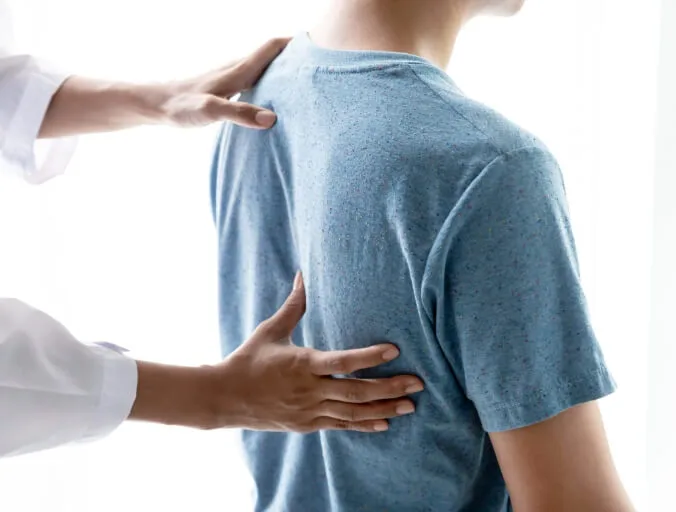
The symptoms of scoliosis in teenagers can vary widely from person to person. Common symptoms include differences in: Additionally, teenagers or their parents may notice that clothes aren’t hanging straight. Shirts, dresses, or pants might seem uneven, with one side appearing longer or higher than the other. This can be an early indicator of an […]
19
Jul
Jul
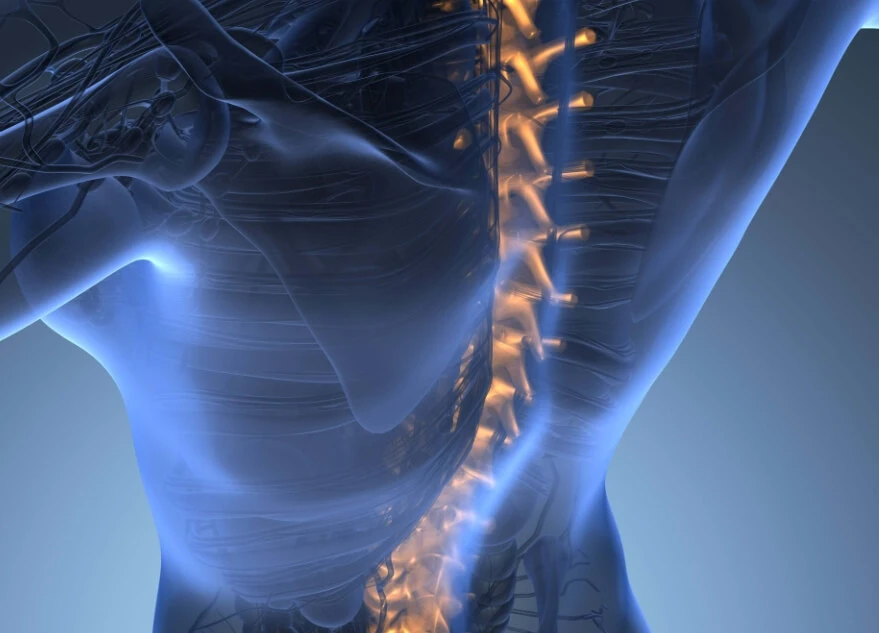
Hemivertebrae, a congenital spinal deformity where a vertebra develops as a wedge-shaped bone, can cause curvatures in the spine (scoliosis) and lead to potential complications. Fortunately, treatment options range from non-surgical approaches for mild cases to surgical interventions for more severe curvatures. This article explores the different pathways available for hemivertebrae treatment. Non-Surgical Management: Bracing […]
19
Jul
Jul
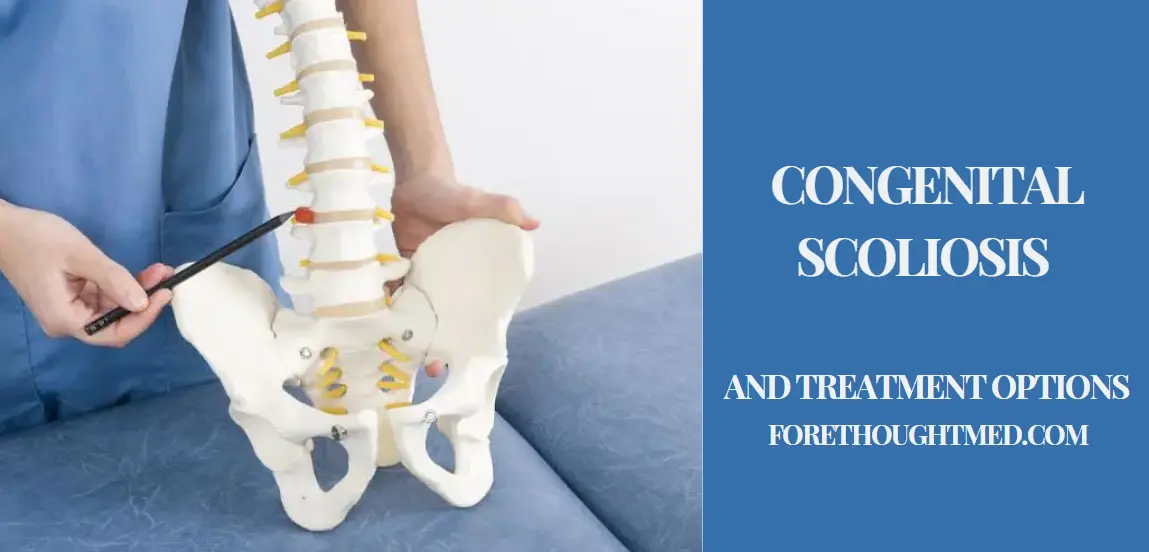
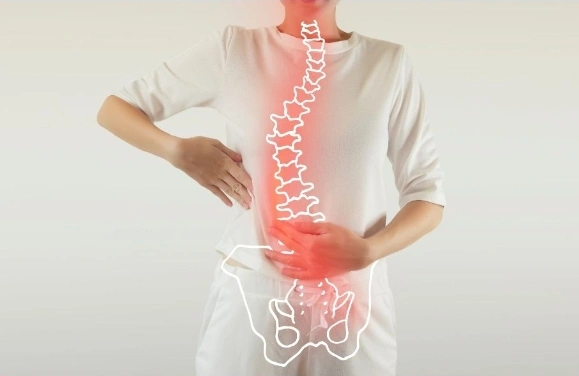
Congenital scoliosis is a spinal condition that occurs due to abnormal vertebral development during fetal development in the womb. Unlike idiopathic scoliosis, which develops later in childhood or adolescence without a known cause, congenital scoliosis is present at birth and arises from vertebral malformations. Congenital Scoliosis Causes and Development Congenital scoliosis is caused by abnormal […]
19
Jul
Jul
Low back pain disrupts daily life for millions globally. Fortunately, low back pain treatment with physiotherapy offers a non-invasive and effective approach. Physiotherapists equip you with an arsenal of exercises tailored to address the underlying cause of your discomfort and promote long-term spinal health. Here, we explore some of the most commonly used physiotherapy exercises […]
19
Jul
Jul
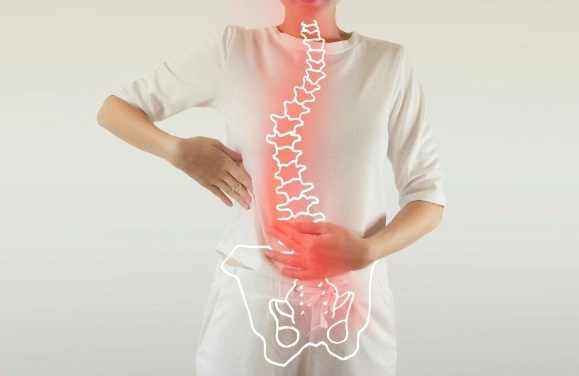
Low back pain is a common foe, but its duration – acute or chronic – plays a crucial role in determining the most effective physiotherapy (PT) approach. Here’s how physiotherapists decipher the difference and craft personalized treatment plans. The Timekeeper: Unveiling the Duration of Discomfort The primary differentiator between acute and chronic low back pain […]
19
Jul
Jul
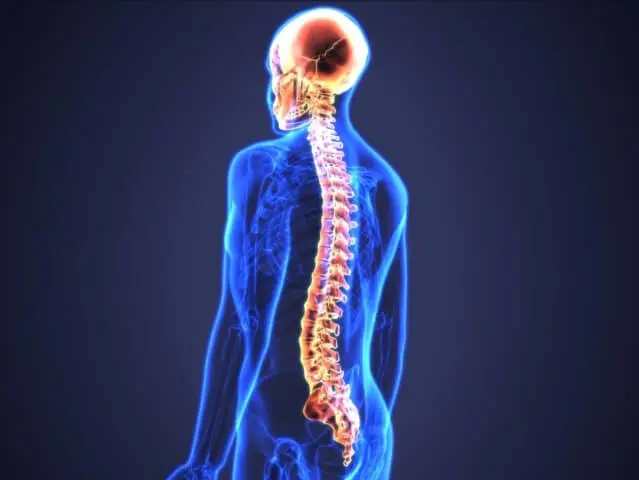
Low back pain plagues millions around the world, but the cause can vary greatly from person to person. Fortunately, physiotherapy management doesn’t take a “one-size-fits-all” approach. Physiotherapists act as detectives, meticulously assessing your individual situation to design a treatment plan that targets the root cause of your discomfort. This section explores how physiotherapy management personalizes […]
19
Jul
Jul
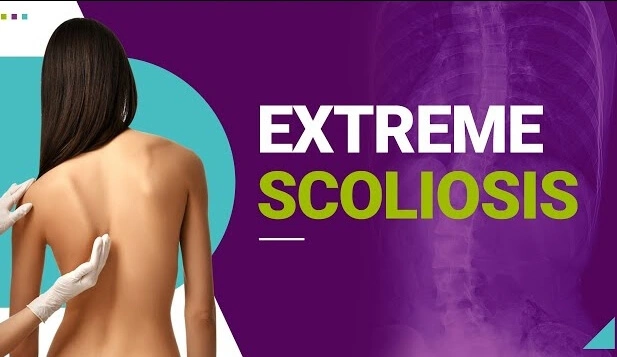
Spinal deformities are common skeletal disorders that affect the lives of thousands of people. These deformities include abnormal curvatures such as scoliosis, kyphosis, and lordosis, which can be congenital or develop due to factors like age, posture issues, or other health conditions. Regardless of the cause, spinal deformities can lead to significant physical discomfort and […]
19
Jul
Jul
Extreme scoliosis is a serious condition characterized by a significant lateral curvature of the spine. While a normal spine has slight curves along the midline, in patients with extreme scoliosis, this curvature can exceed 60 degrees, leading to profound physical impairments. These impairments can include restricted breathing, decreased cardiopulmonary function, and postural imbalance. Although the […]