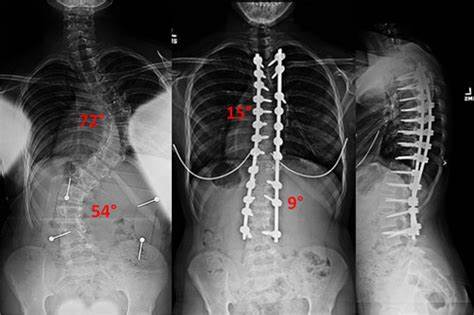

Managing 16 Degree Scoliosis: Treatment Approaches and Management Strategies provides a comprehensive guide for healthcare professionals and patients alike. This book explores various treatment options, including bracing, physical therapy, and surgical interventions, while also emphasizing the importance of early detection and proactive management.
Category Archives: Blog
Your blog category
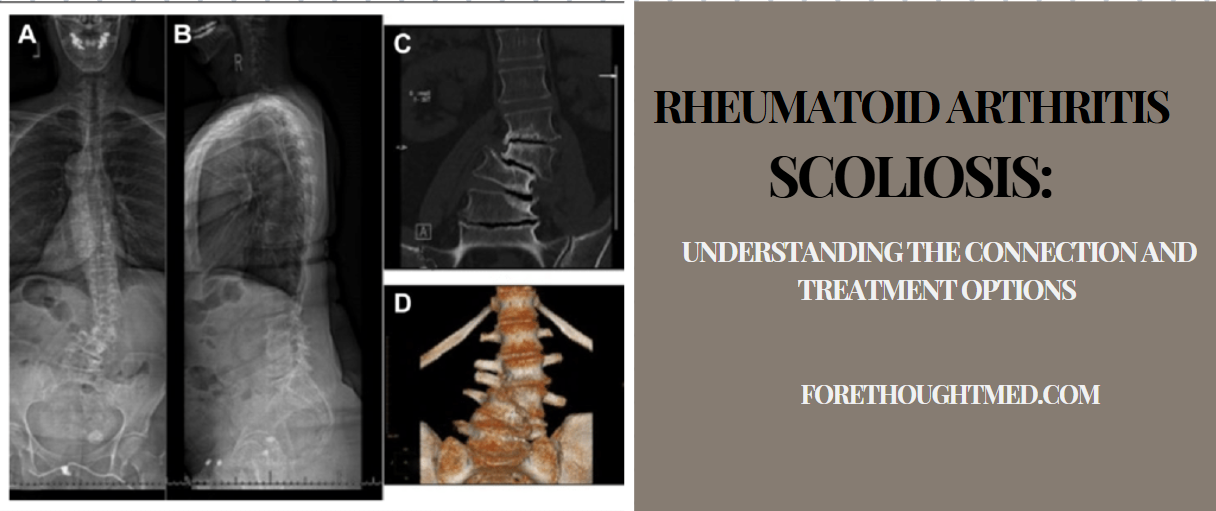
Arthritis and scoliosis are two distinct conditions, but they can often be interconnected. Scoliosis, a curvature of the spine, can lead to joint misalignment and increased stress on the joints, resulting in arthritis. Understanding this connection is crucial for effective treatment, which may include physical therapy, medication, or even surgery.
Double scoliosis curve refers to a condition where the spine curves in two different directions. Diagnosis involves physical examination, X-rays, and sometimes MRI scans. Treatment options include bracing, physical therapy, and in severe cases, surgery. Management involves regular monitoring, lifestyle modifications, and ongoing support to ensure optimal spinal health.
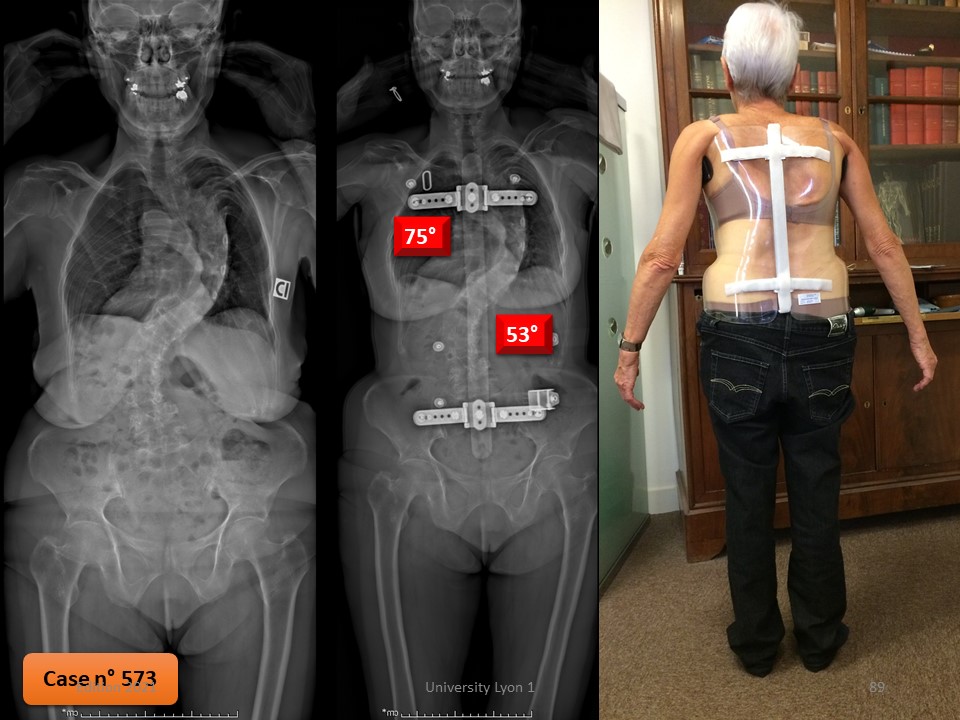
Learn about age-related scoliosis in adults over 70: its impact and treatment options. Gain insights for managing this condition effectively.
Mild scoliosis, characterized by a slight curvature of the spine, is often debated as a disability. While some argue that it doesn’t significantly impair daily functioning, others believe it can cause pain and limitations. Assessing disability status and benefits for individuals with mild scoliosis requires careful evaluation of their specific symptoms and functional limitations.
Scoliosis, a condition characterized by an abnormal curvature of the spine, raises questions about its classification as a disability. From a legal standpoint, the determination depends on the impact it has on an individual’s ability to perform daily activities. Medically, scoliosis is considered a disability if it causes significant pain, limits mobility, or affects organ function.
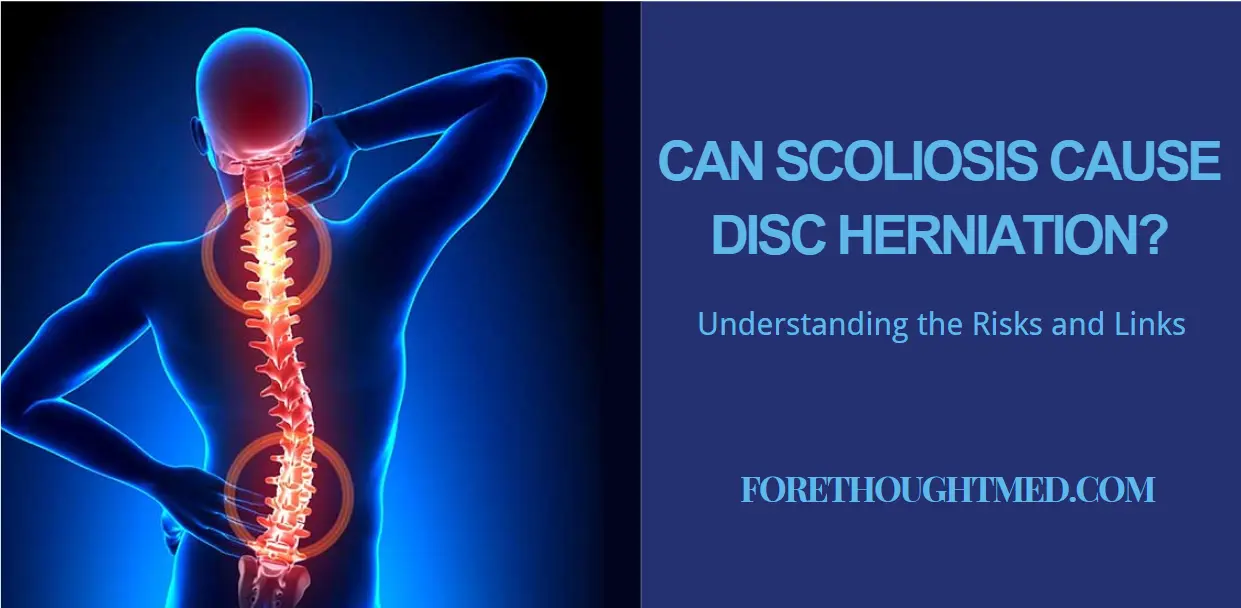
Scoliosis, a condition characterized by an abnormal curvature of the spine, can potentially lead to disc herniation. The misalignment caused by scoliosis puts excessive pressure on the intervertebral discs, making them more susceptible to bulging or rupturing. Understanding this link is crucial in diagnosing and treating both conditions effectively, ensuring optimal spinal health.
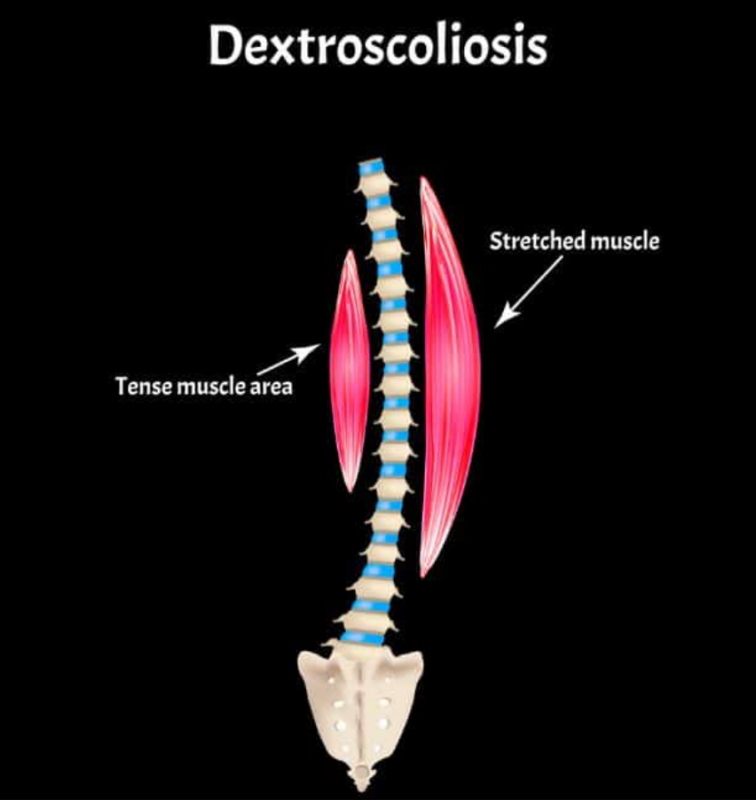
Dextrose, a simple sugar, has gained attention in recent years for its potential benefits in treating scoliosis. Research suggests that dextrose injections may help reduce pain and improve spinal alignment in scoliosis patients. However, further investigation is needed to fully understand its role and determine the optimal dosage and treatment duration for maximum effectiveness.
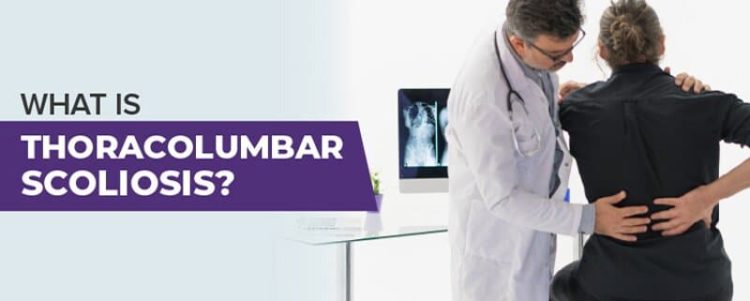
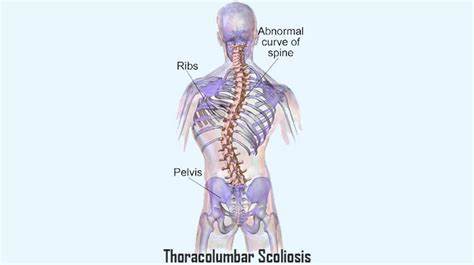
Thoracolumbar scoliosis is a condition characterized by an abnormal sideways curvature of the spine in the thoracic and lumbar regions. It can be caused by various factors such as genetics, muscle imbalances, or underlying medical conditions. Common symptoms include back pain, uneven shoulders, and difficulty breathing. Treatment options range from physical therapy to surgery, depending on the severity of the condition.
Thoracogenic scoliosis, a type of scoliosis caused by thoracic surgery or radiation therapy, presents unique challenges in its diagnosis and treatment. This excerpt explores the various causes of thoracogenic scoliosis, highlights the importance of early diagnosis, and discusses the different treatment approaches available to patients.