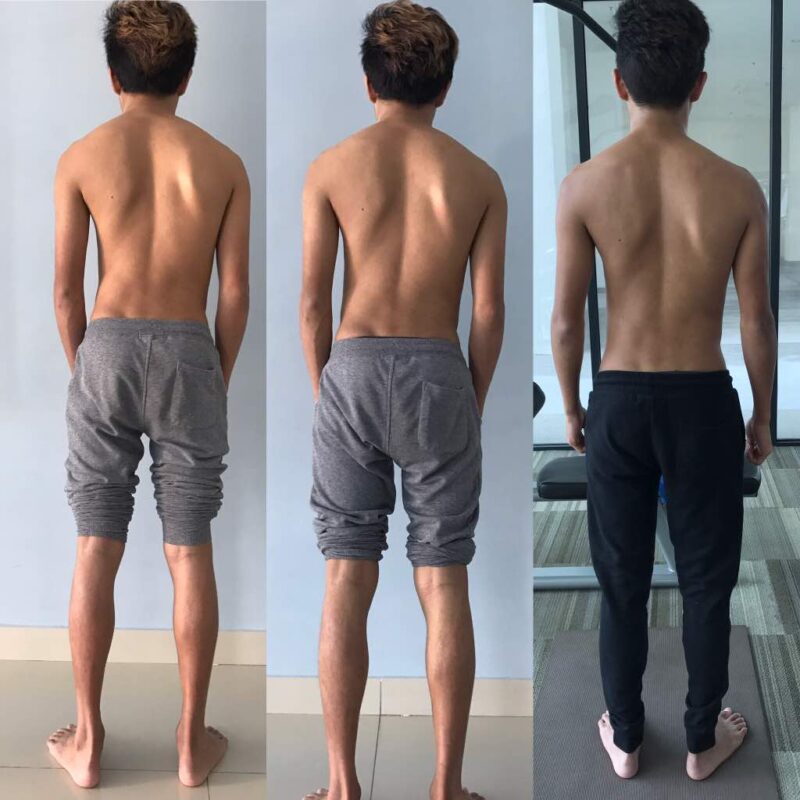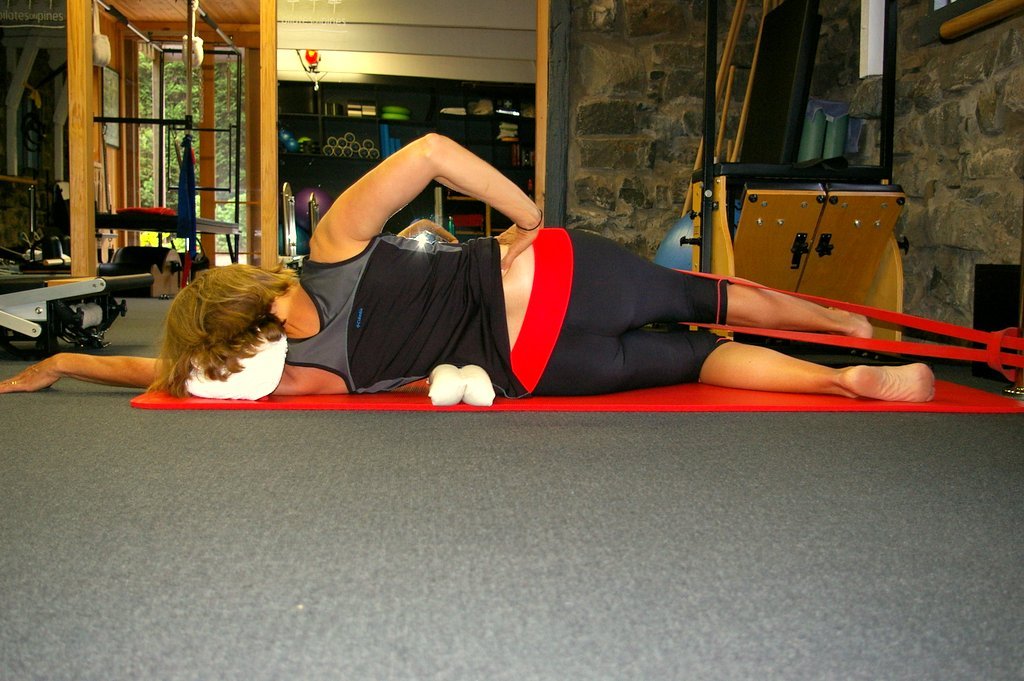

Scoliosis, a sideways curvature of the spine, can have a significant impact on posture and overall comfort. The misalignment caused by scoliosis can lead to muscle imbalances, pain, and limited mobility. However, with proper exercises, stretches, and postural awareness, individuals with scoliosis can improve their alignment and find relief from discomfort.
Category Archives: Blog
Your blog category
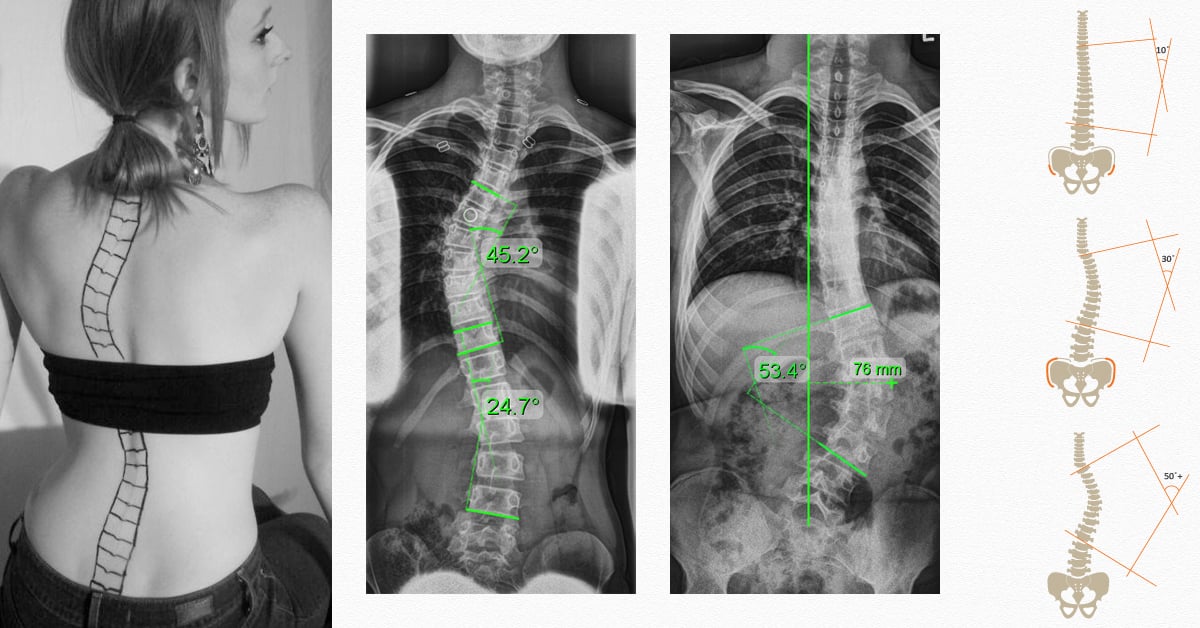
Scoliosis is a complex spinal deformity that affects millions worldwide. This study aims to classify scoliosis severity into three categories: mild, moderate, and severe. By understanding the implications of each degree, healthcare professionals can tailor treatment plans accordingly, ensuring optimal outcomes for patients.
Thoraco-lumbar scoliosis refers to the abnormal sideways curvature of the spine in the thoracic and lumbar regions. It can be caused by various factors such as genetics, muscle imbalances, or underlying medical conditions. Common symptoms include back pain, uneven shoulders, and limited mobility. Treatment options range from physical therapy and bracing to surgical intervention.
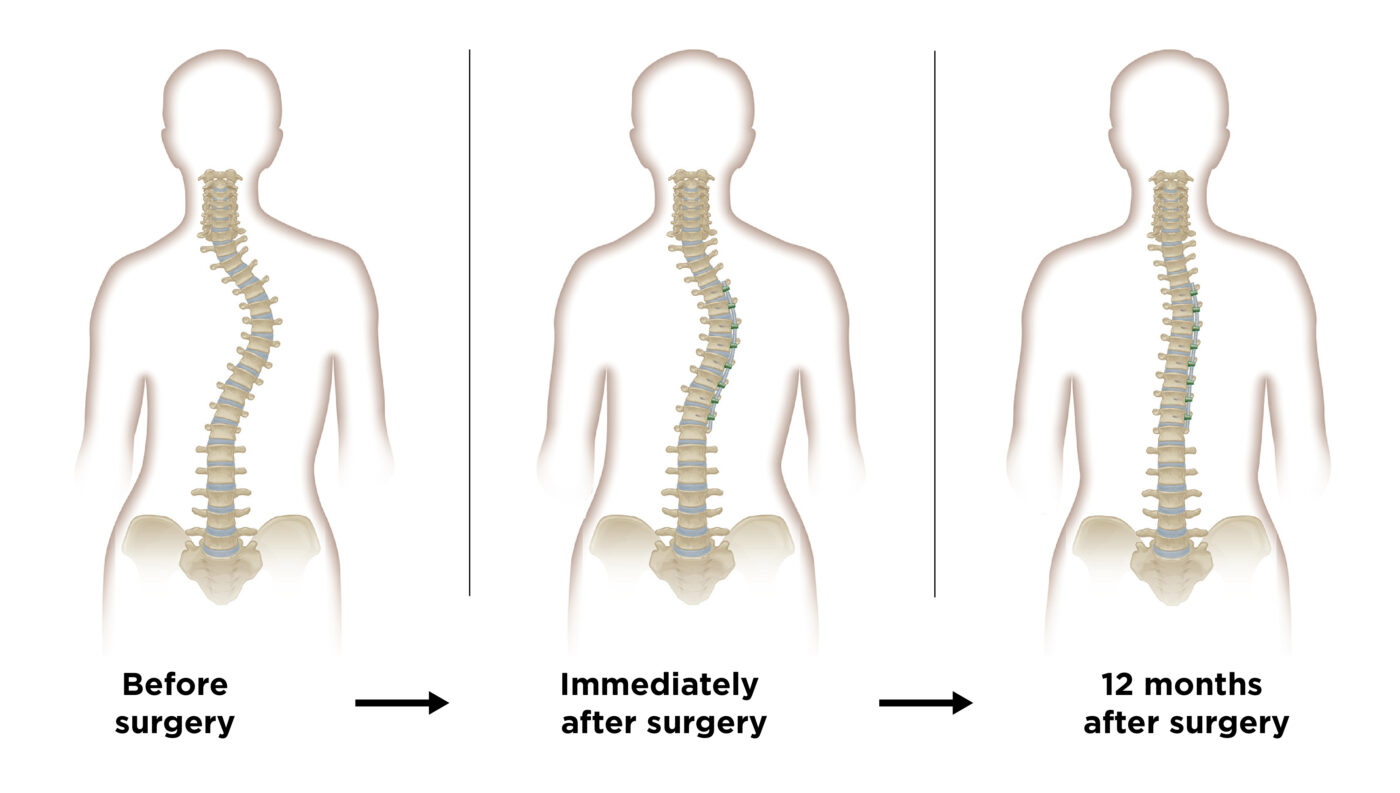
After undergoing surgery for scoliosis, the recovery timeline varies for each individual. Typically, patients can expect to spend a few days in the hospital before transitioning to at-home care. Long-term management involves regular check-ups, physical therapy, and maintaining a healthy lifestyle to ensure the best possible outcome for a successful recovery.
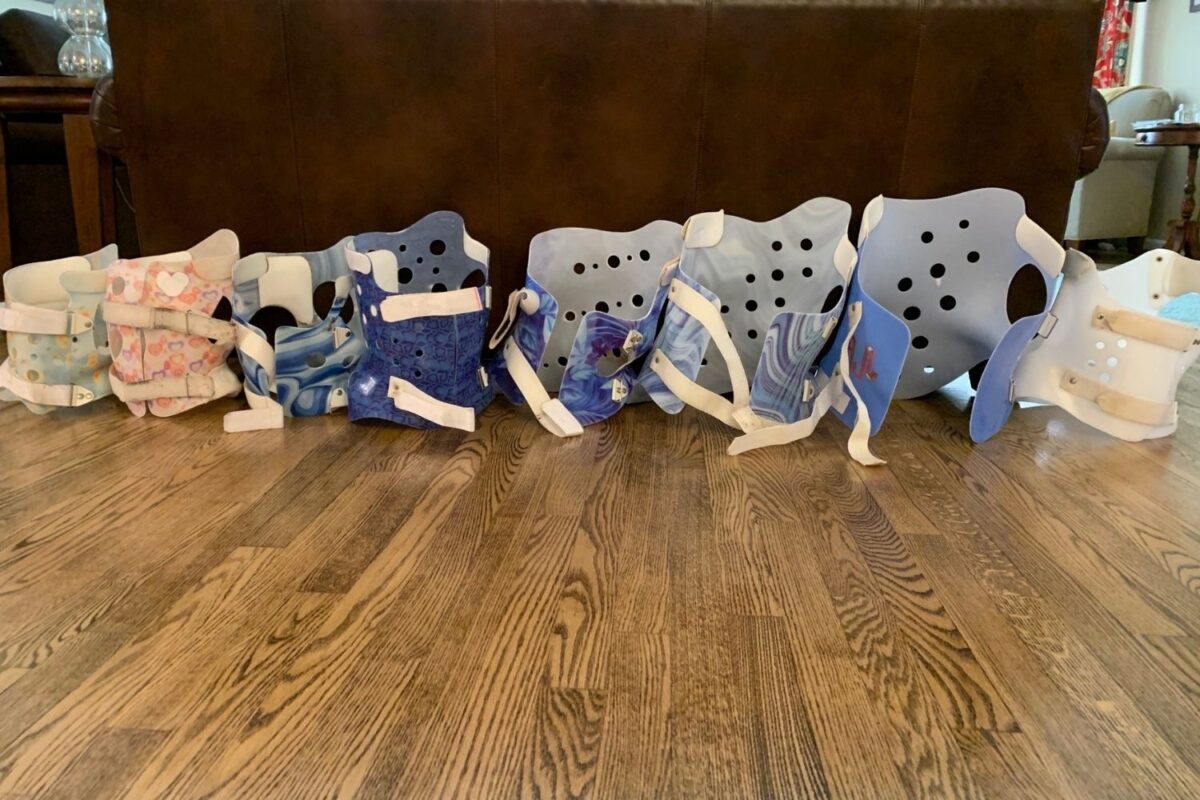
There are several types of braces available for scoliosis treatment, including the Boston brace, Milwaukee brace, and Charleston bending brace. Each brace has its own unique design and purpose, aiming to correct the curvature of the spine. The effectiveness of these braces varies depending on the severity of the condition and patient compliance.
Stretches for Scoliosis offers a comprehensive guide to alleviate discomfort and enhance flexibility. With easy-to-follow instructions and detailed illustrations, this book provides effective exercises specifically designed for individuals with scoliosis. Whether you’re a beginner or experienced, these stretches will help reduce pain and improve your overall well-being.
A back stretcher for scoliosis can provide numerous benefits for pain relief and improvement. By gently stretching the spine, it helps alleviate discomfort and corrects misalignments caused by scoliosis. Regular usage can enhance flexibility, strengthen muscles, and promote better posture. This simple yet effective device offers a non-invasive solution for managing scoliosis-related pain and enhancing overall well-being.
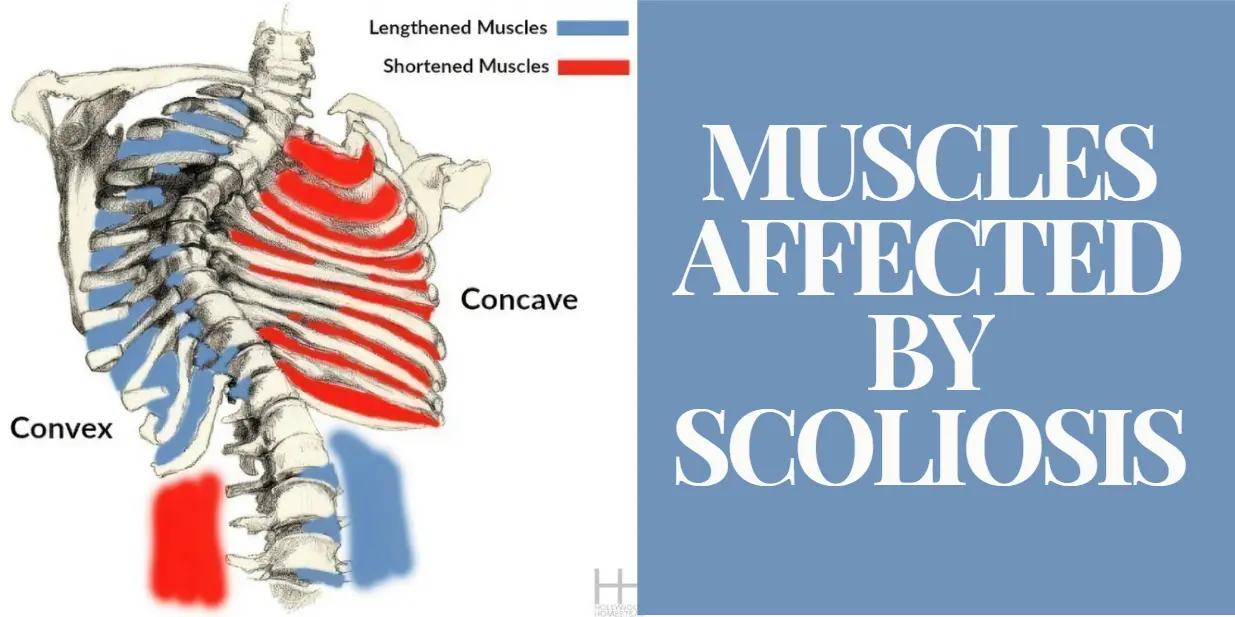
Scoliosis, a condition characterized by an abnormal curvature of the spine, can have a significant impact on muscle function and strength. The muscles surrounding the spine, including the erector spinae, quadratus lumborum, and obliques, are particularly affected. Understanding these muscle imbalances is crucial in developing effective treatment strategies for individuals with scoliosis.
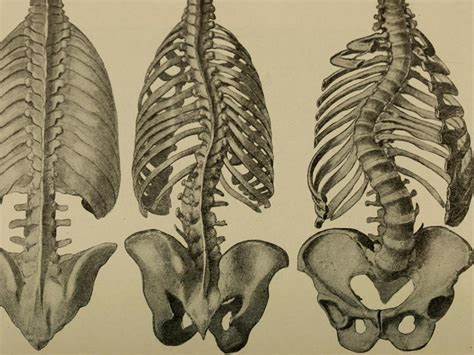
Understanding scoliosis anatomy is crucial for effective treatment. Key structural changes include lateral curvature of the spine, rotation of the vertebrae, and rib cage deformities. These changes can lead to pain, reduced lung capacity, and impaired function. Identifying and addressing these structural abnormalities is essential for improving the quality of life for individuals with scoliosis.
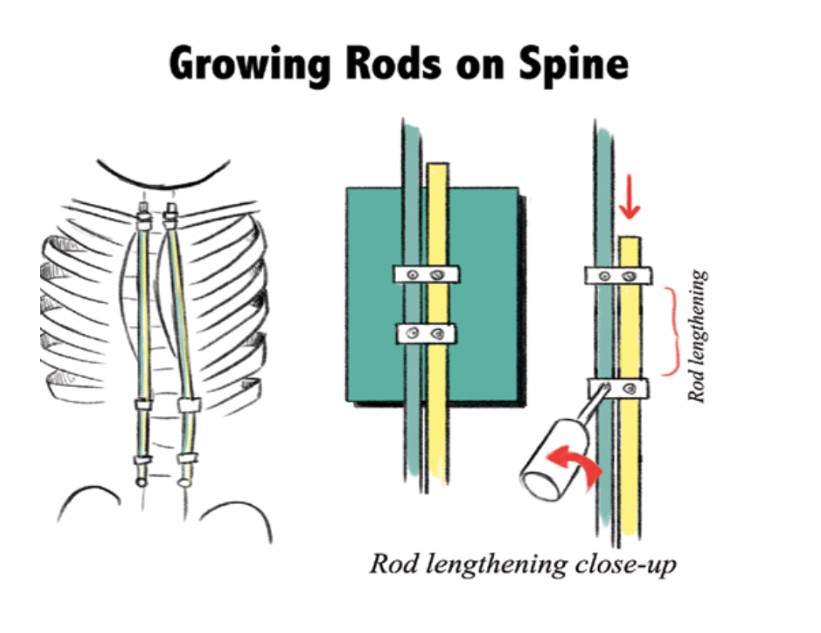
Scoliosis surgery rods are commonly used to correct spinal curvature. There are two main types: flexible and rigid rods. Flexible rods allow for growth, while rigid rods provide immediate correction. These rods play a crucial role in stabilizing the spine during recovery, allowing patients to regain mobility and improve their quality of life.