
Category Archives: Blog

Your blog category

Does Scoliosis Qualify as a Disability? Understanding Eligibility and Benefits

How to Measure Scoliosis Curve: Techniques and Tools for Accurate Assessment

Scoliosis, a condition characterized by an abnormal curvature of the spine, can indeed qualify as a disability. Eligibility for disability benefits depends on the severity of the condition and its impact on daily activities. Individuals with scoliosis may be eligible for various benefits, including financial assistance, medical coverage, and vocational rehabilitation programs.

How to Measure Scoliosis Curve: Techniques and Tools for Accurate Assessment

Accurately measuring a scoliosis curve is crucial for effective treatment. This excerpt explores various techniques and tools used by medical professionals to ensure precise measurements. From the traditional Cobb angle method to advanced imaging technologies, understanding these methods is essential for accurate diagnosis and monitoring of scoliosis progression.

Long Term Scoliosis Effects: What to Expect Over Time

Long Term Scoliosis Effects: What to Expect Over Time

Scoliosis, a sideways curvature of the spine, can have long-term effects on a person’s health and well-being. Over time, the curvature may worsen, leading to increased pain, limited mobility, and difficulty breathing. Regular monitoring, exercise, and medical interventions can help manage these effects and improve quality of life.

Dextrorotatory Scoliosis: Understanding Causes, Symptoms, and Treatment Options

Dextrorotatory Scoliosis: Understanding Causes, Symptoms, and Treatment Options

Dextrorotatory scoliosis is a condition characterized by a rightward curvature of the spine. It can cause pain, discomfort, and postural abnormalities. Treatment options include physical therapy, bracing, and in severe cases, surgery. Early diagnosis and intervention are crucial for managing this condition and preventing further complications.

Can You Fix Scoliosis Naturally? Exploring Non-Surgical Solutions

Can You Fix Scoliosis Naturally? Exploring Non-Surgical Solutions

Scoliosis, a condition characterized by an abnormal curvature of the spine, can be a source of discomfort and limited mobility. While surgery is often recommended for severe cases, there are non-surgical solutions that can help alleviate symptoms and potentially correct the curvature naturally. Let’s delve into these alternative approaches and explore their effectiveness.

Identifying the Risk Factors of Scoliosis: Key Factors That Increase the Likelihood of Developing Scoliosis

Identifying the Risk Factors of Scoliosis: Key Factors That Increase the Likelihood of Developing Scoliosis

Scoliosis, a condition characterized by an abnormal curvature of the spine, can be influenced by various risk factors. Age, gender, family history, and certain medical conditions are key factors that increase the likelihood of developing scoliosis. Understanding these risk factors is crucial for early detection and effective management of this condition.

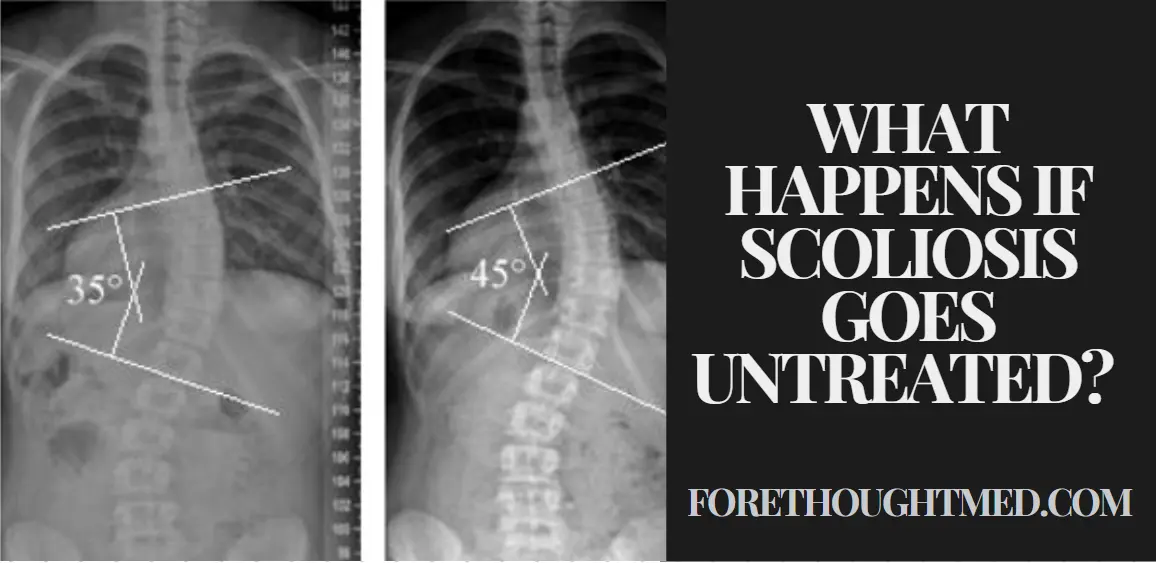
What Happens if Scoliosis Goes Untreated? Potential Complications and Outcomes

If left untreated, scoliosis can lead to various complications and outcomes. These may include worsening of the spinal curvature, increased pain and discomfort, limited mobility, respiratory problems, and even heart and lung damage. Early detection and appropriate treatment are crucial to prevent these potential complications and ensure better long-term outcomes.

How to Avoid Scoliosis: Preventive Measures and Tips

Scoliosis, a condition characterized by an abnormal curvature of the spine, can be prevented with some simple measures. Maintaining good posture, engaging in regular exercise, and avoiding heavy backpacks are key preventive steps. Additionally, ergonomic workstations and regular check-ups with a healthcare professional can help identify and address any potential issues early on.

Scoliosis Before and After Exercise: Impact of Physical Activity on Scoliosis

Which of the Following Describes Structural Scoliosis? Understanding the Characteristics and Classification of Structural Scoliosis 2024

Physical activity has been shown to have a positive impact on scoliosis. Regular exercise can help improve posture, strengthen the muscles surrounding the spine, and increase flexibility. By incorporating targeted exercises into a daily routine, individuals with scoliosis can potentially reduce pain, prevent further progression, and enhance overall quality of life.

Scoliosis Alternative Treatment: Exploring Non-Surgical Approaches

Alternative treatments for scoliosis, such as chiropractic care, physical therapy, and bracing, have gained popularity as non-surgical approaches. While these methods aim to reduce pain and improve spinal alignment, their effectiveness varies. Understanding the benefits and limitations of each alternative treatment is crucial for individuals seeking non-invasive options for scoliosis management.