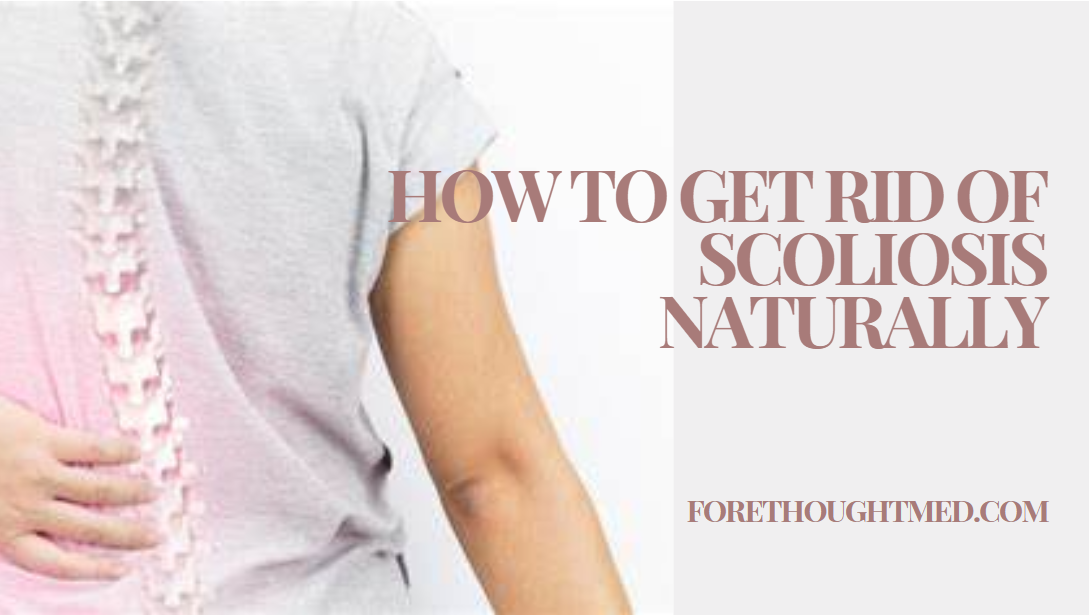

Adult scoliosis, a condition characterized by abnormal curvature of the spine, requires specialized medical attention. Orthopedic surgeons, physiatrists, and spine specialists are the primary doctors who treat adult scoliosis. Treatment approaches may include physical therapy, pain management, bracing, or in severe cases, surgical intervention. Seeking early diagnosis and appropriate medical care is crucial for managing adult scoliosis effectively.
Categoria Archives: Blog
A categoria do seu blogue
The world of medical technology is advancing rapidly, and the REHACARE International Trade Fair for Rehabilitation and Care, taking place in Düsseldorf, Germany, from September 25-28, 2024, is at the forefront of this transformation. This globally renowned event will bring together over 850 exhibitors from more than 40 countries, featuring the latest in rehabilitation, care […]
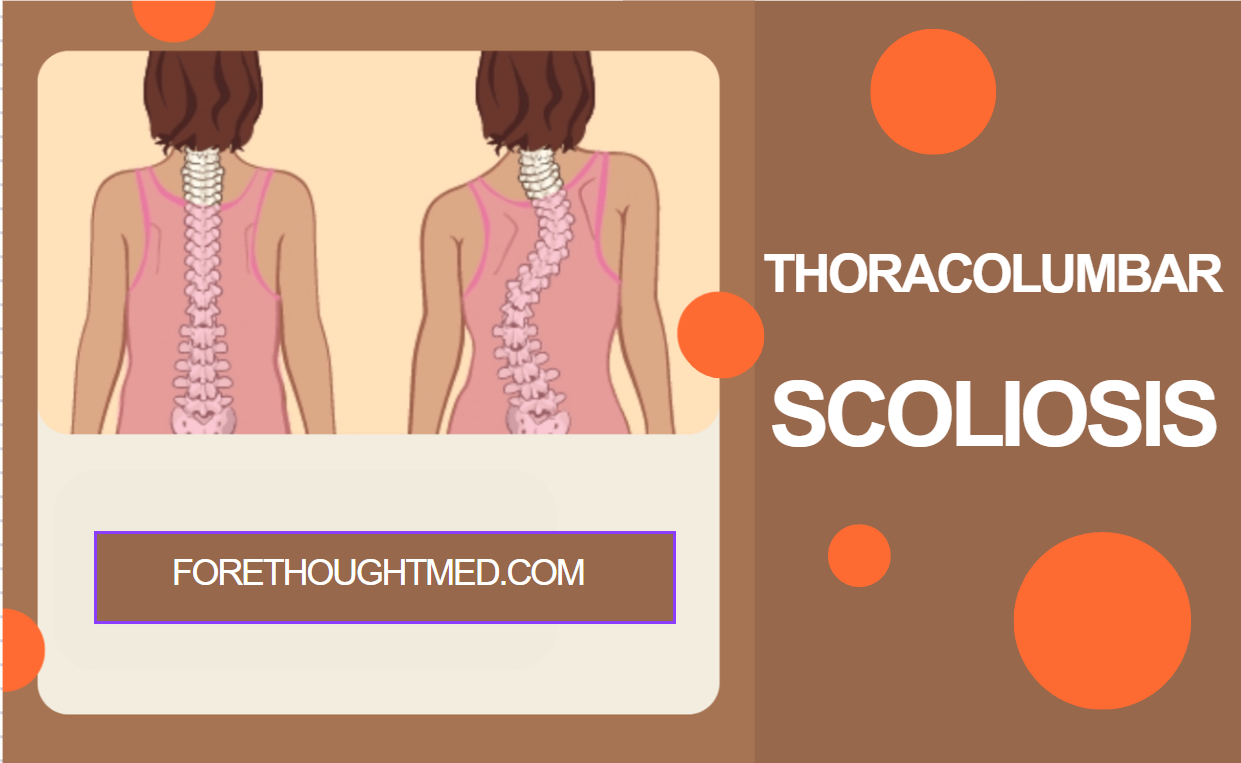
Thoracolumbar scoliosis is a condition characterized by an abnormal sideways curvature of the spine in the thoracic and lumbar regions. Common symptoms include back pain, uneven shoulders, and a noticeable asymmetry in the waistline. Treatment options range from conservative approaches like physical therapy to more invasive procedures such as spinal fusion surgery.
As individuals with scoliosis age, the curvature of their spine can worsen, leading to increased pain and discomfort. This can affect their mobility and overall quality of life. However, there are strategies that can help manage these symptoms, such as regular exercise, physical therapy, and the use of assistive devices.
Scoliosis, a condition characterized by an abnormal curvature of the spine, has long been a subject of interest in the medical community. Recent research suggests that there may be a genetic component to scoliosis, with studies showing a higher prevalence of the condition among individuals with a family history of scoliosis.
Scoliosis, a condition characterized by an abnormal curvature of the spine, can cause discomfort and limited mobility. While traditional treatments focus on bracing or surgery, chiropractic care is gaining attention as a potential alternative. This article explores the potential benefits and considerations of using chiropractic care for scoliosis, offering insights into its effectiveness and safety.
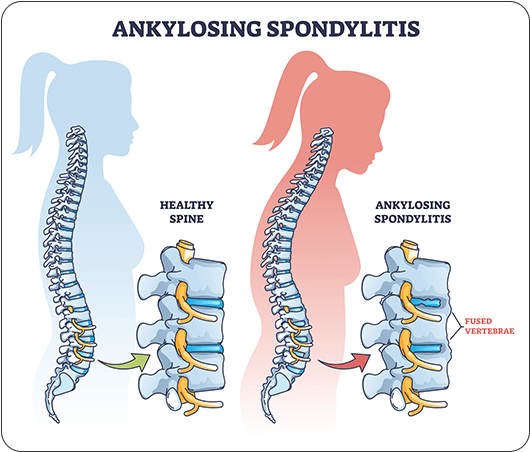
Ankylosing Spondylitis (AS) and scoliosis are two distinct conditions that can often coexist, leading to increased pain and discomfort for individuals. Understanding the connection between AS and scoliosis is crucial for effective treatment approaches. This excerpt explores the relationship between these conditions and highlights potential treatment options for managing symptoms and improving quality of life.
Healing Scoliosis Naturally delves into the world of alternative treatments and natural approaches for managing scoliosis. This comprehensive guide offers a wealth of information on exercises, nutrition, and lifestyle changes that can help alleviate pain and improve spinal alignment. Discover how to take control of your scoliosis journey without resorting to surgery.
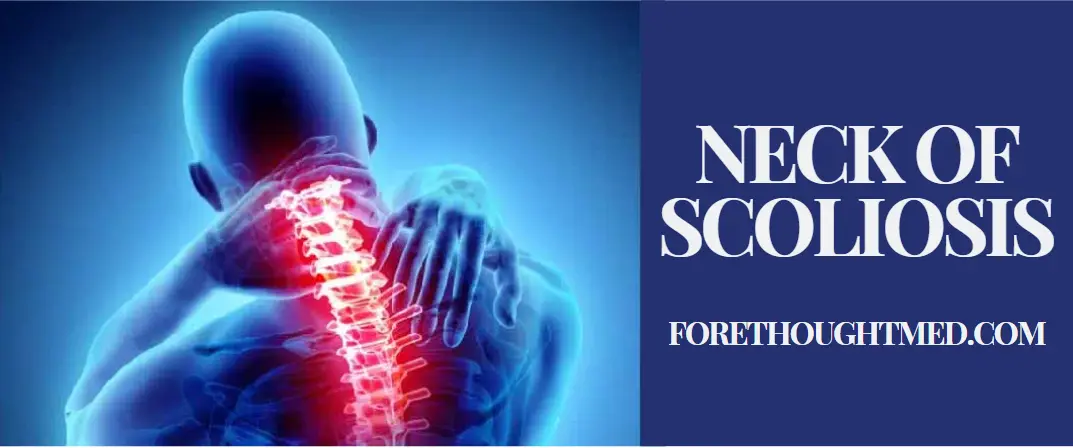
Scoliosis of the neck, also known as cervical scoliosis, is a condition characterized by an abnormal curvature of the cervical spine. This can lead to various symptoms such as neck pain, headaches, and limited range of motion. Treatment options include physical therapy, bracing, and in severe cases, surgery.
Durante um exame físico de escoliose, estão envolvidos vários componentes e procedimentos fundamentais. O médico avalia a história clínica do doente, efectua um exame visual da coluna vertebral, mede o grau de curvatura e avalia quaisquer sintomas associados. Podem também ser pedidas radiografias ou outros exames imagiológicos para avaliar melhor a doença.