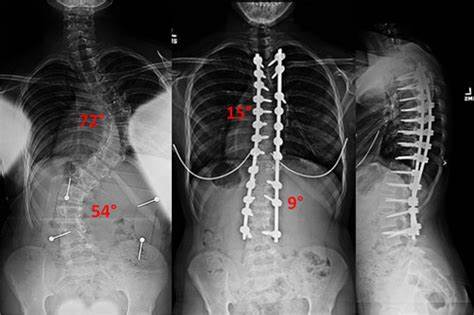

Managing 16 Degree Scoliosis: Treatment Approaches and Management Strategies provides a comprehensive guide for healthcare professionals and patients alike. This book explores various treatment options, including bracing, physical therapy, and surgical interventions, while also emphasizing the importance of early detection and proactive management.
Categoria Archives: Blog
A categoria do seu blogue
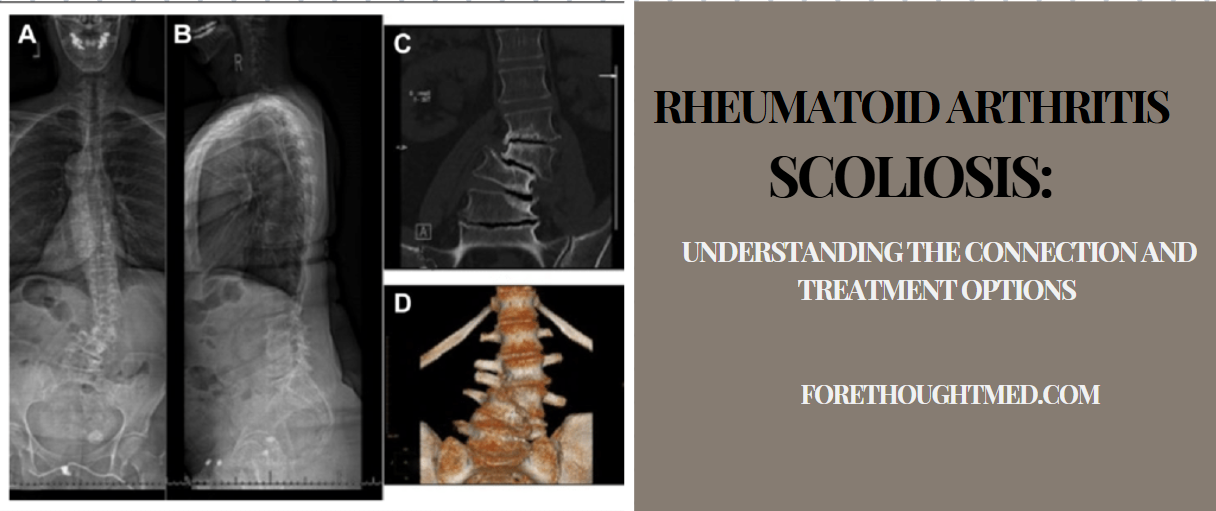
A artrite e a escoliose são duas condições distintas, mas que podem estar frequentemente interligadas. A escoliose, uma curvatura da coluna vertebral, pode levar a um desalinhamento das articulações e a um aumento do stress sobre as mesmas, resultando em artrite. Compreender esta ligação é crucial para um tratamento eficaz, que pode incluir fisioterapia, medicação ou mesmo cirurgia.
A curva escoliótica dupla refere-se a uma condição em que a coluna vertebral se curva em duas direcções diferentes. O diagnóstico envolve um exame físico, radiografias e, por vezes, exames de ressonância magnética. As opções de tratamento incluem imobilização, fisioterapia e, em casos graves, cirurgia. A gestão envolve uma monitorização regular, modificações do estilo de vida e apoio contínuo para garantir uma saúde óptima da coluna vertebral.
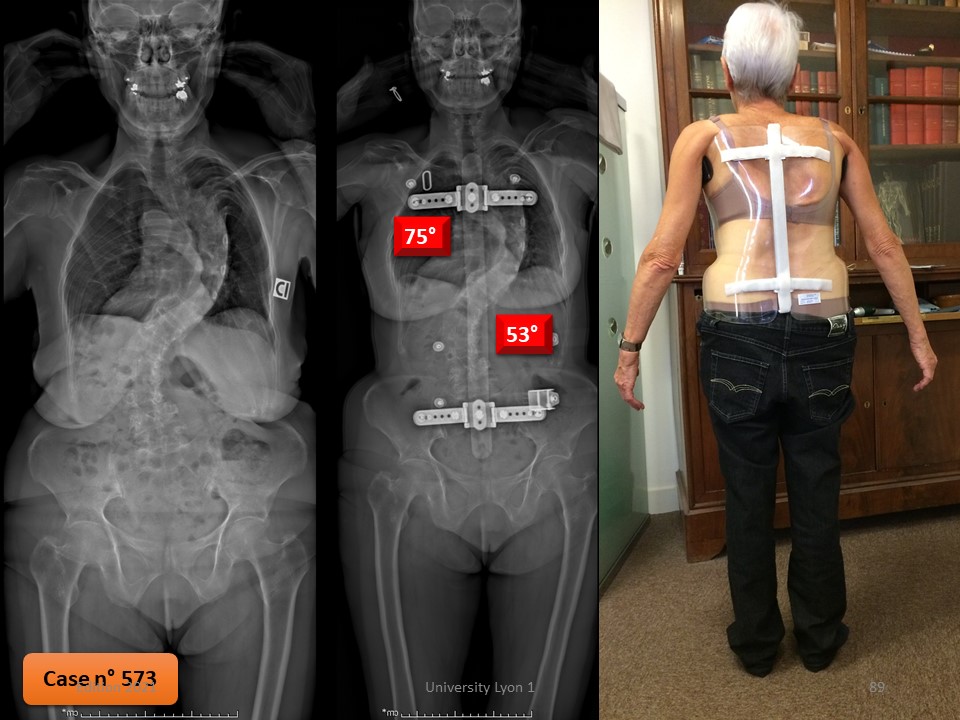
Saiba mais sobre a escoliose relacionada com a idade em adultos com mais de 70 anos: o seu impacto e opções de tratamento. Obtenha informações para gerir eficazmente esta doença.
Mild scoliosis, characterized by a slight curvature of the spine, is often debated as a disability. While some argue that it doesn’t significantly impair daily functioning, others believe it can cause pain and limitations. Assessing disability status and benefits for individuals with mild scoliosis requires careful evaluation of their specific symptoms and functional limitations.
Scoliosis, a condition characterized by an abnormal curvature of the spine, raises questions about its classification as a disability. From a legal standpoint, the determination depends on the impact it has on an individual’s ability to perform daily activities. Medically, scoliosis is considered a disability if it causes significant pain, limits mobility, or affects organ function.
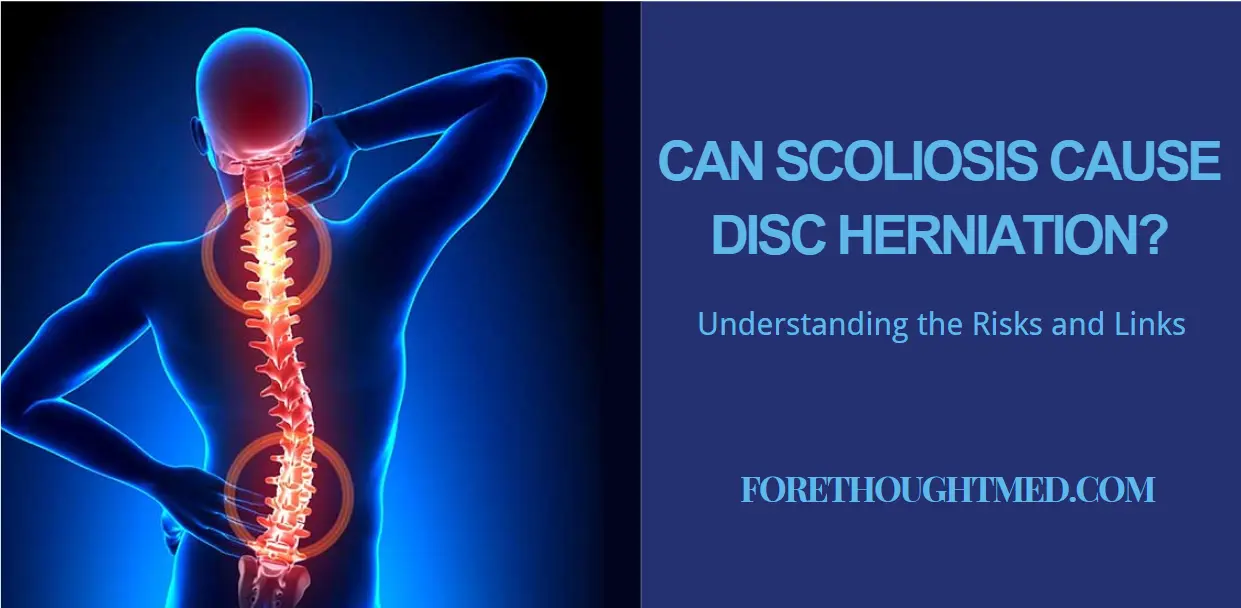
Scoliosis, a condition characterized by an abnormal curvature of the spine, can potentially lead to disc herniation. The misalignment caused by scoliosis puts excessive pressure on the intervertebral discs, making them more susceptible to bulging or rupturing. Understanding this link is crucial in diagnosing and treating both conditions effectively, ensuring optimal spinal health.
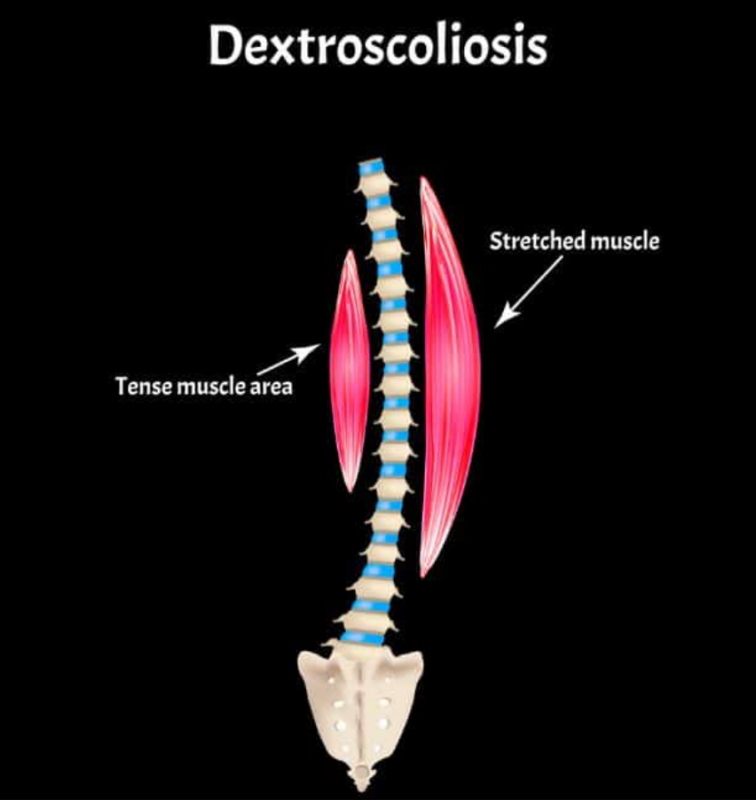
A dextrose, um açúcar simples, tem ganho atenção nos últimos anos pelos seus potenciais benefícios no tratamento da escoliose. A investigação sugere que as injecções de dextrose podem ajudar a reduzir a dor e a melhorar o alinhamento da coluna vertebral em doentes com escoliose. No entanto, é necessária mais investigação para compreender plenamente o seu papel e determinar a dosagem ideal e a duração do tratamento para uma eficácia máxima.
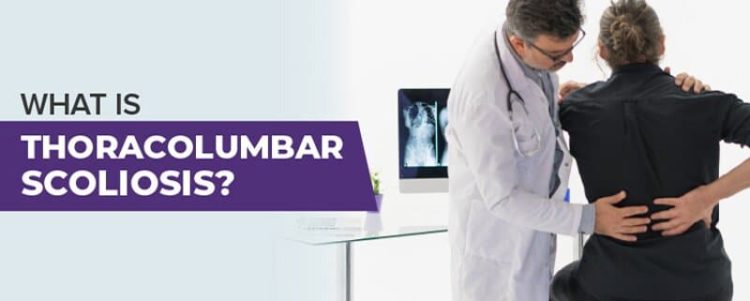
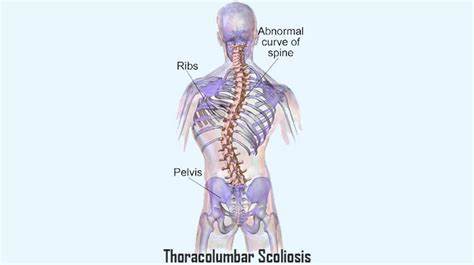
Thoracolumbar scoliosis is a condition characterized by an abnormal sideways curvature of the spine in the thoracic and lumbar regions. It can be caused by various factors such as genetics, muscle imbalances, or underlying medical conditions. Common symptoms include back pain, uneven shoulders, and difficulty breathing. Treatment options range from physical therapy to surgery, depending on the severity of the condition.
Thoracogenic scoliosis, a type of scoliosis caused by thoracic surgery or radiation therapy, presents unique challenges in its diagnosis and treatment. This excerpt explores the various causes of thoracogenic scoliosis, highlights the importance of early diagnosis, and discusses the different treatment approaches available to patients.