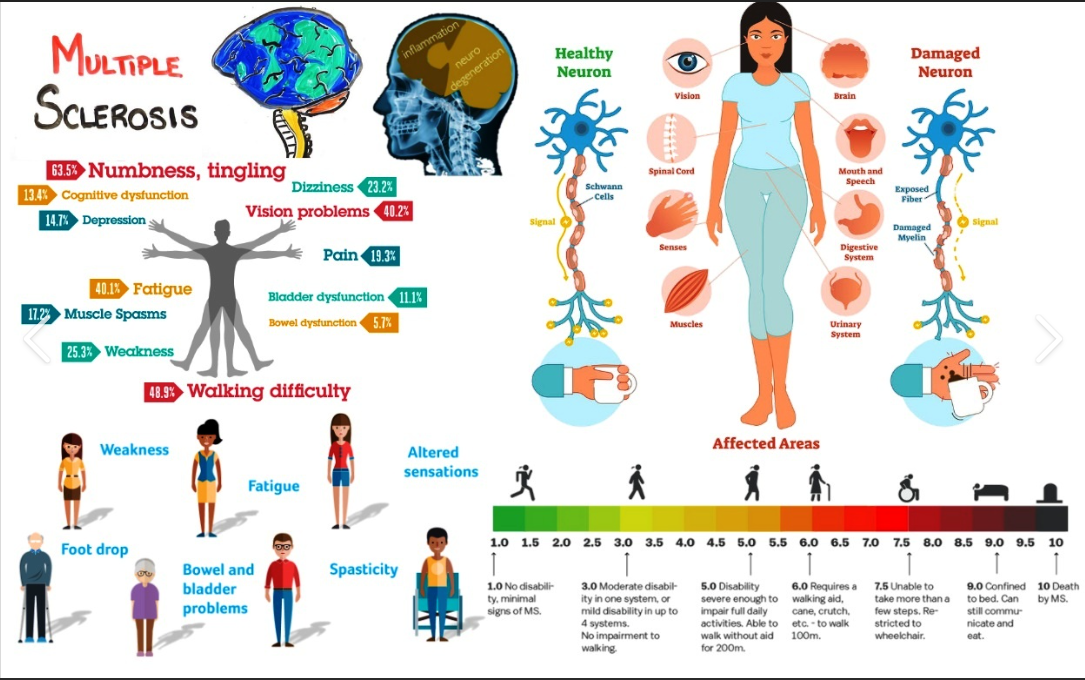

Scoliosis and Multiple Sclerosis are two distinct medical conditions that affect the musculoskeletal system. While scoliosis primarily affects the spine’s curvature, Multiple Sclerosis targets the central nervous system. Despite their differences, both conditions can cause significant pain and mobility issues. Accurate diagnosis and tailored treatment plans are crucial for managing these conditions effectively.
Archives par catégorie: Blog
Votre catégorie de blog
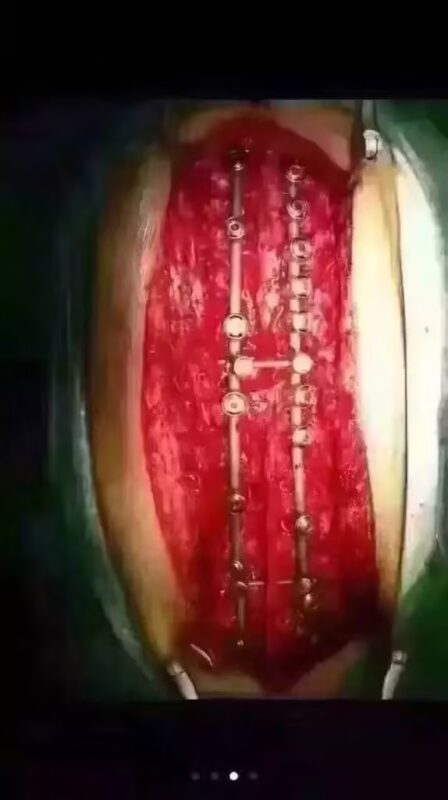
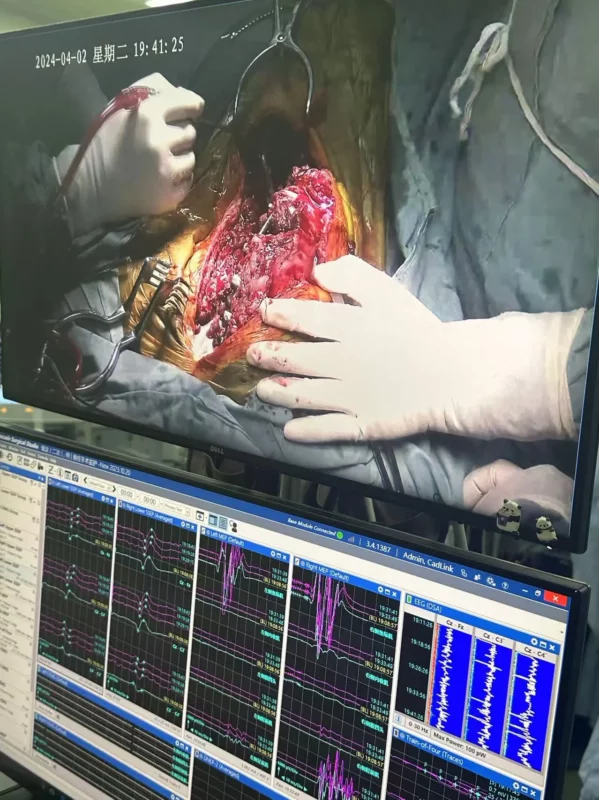
After scoliosis surgery, proper post-surgery care is crucial for a successful recovery. This includes following the surgeon’s instructions, attending physical therapy sessions, and maintaining a healthy lifestyle. Understanding the long-term outcomes of scoliosis surgery is also important, as it can vary depending on factors such as age, severity of the condition, and individual healing abilities.
Non-Surgical Scoliosis Treatment delves into the realm of alternative approaches for managing and treating scoliosis. From physical therapy and bracing to chiropractic care and exercise, this comprehensive guide explores the various non-surgical options available to individuals seeking relief from scoliosis. Discover effective methods to improve posture, reduce pain, and enhance overall quality of life.
Recovery after scoliosis surgery can be a challenging and lengthy process. Patients can expect to experience pain, discomfort, and limited mobility in the initial weeks. Physical therapy and rehabilitation will play a crucial role in regaining strength and flexibility. It is important to follow the surgeon’s instructions and be patient during this recovery journey.
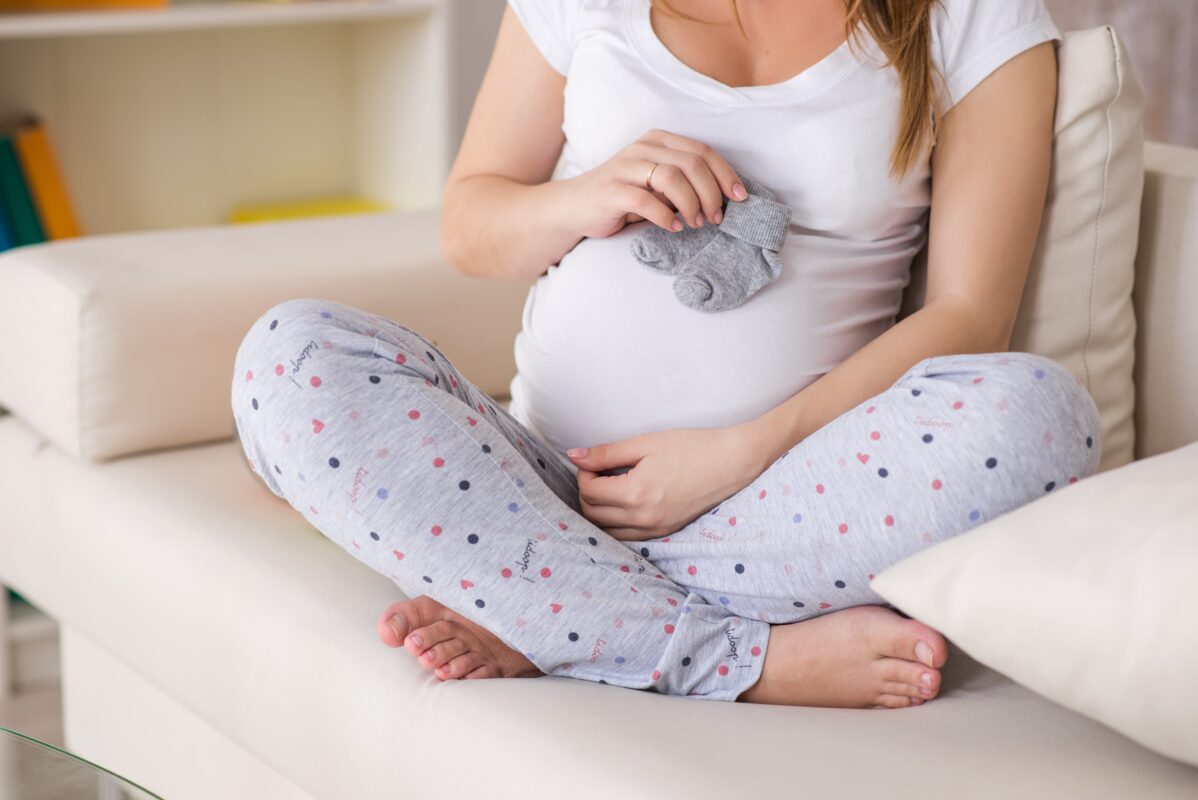
Scoliosis, a condition characterized by an abnormal curvature of the spine, can indeed impact pregnancy. The degree of curvature, location, and severity of scoliosis can affect a woman’s ability to carry a pregnancy comfortably. However, with proper management and support from healthcare professionals, women with scoliosis can have successful pregnancies.
La chirurgie de la scoliose est une intervention majeure qui nécessite un temps de guérison important. Le délai exact varie d'une personne à l'autre, mais il faut généralement entre 6 et 12 semaines pour que les os fusionnent complètement. Des facteurs tels que l'âge, l'état de santé général et l'ampleur de l'intervention chirurgicale peuvent influer sur le processus de guérison.
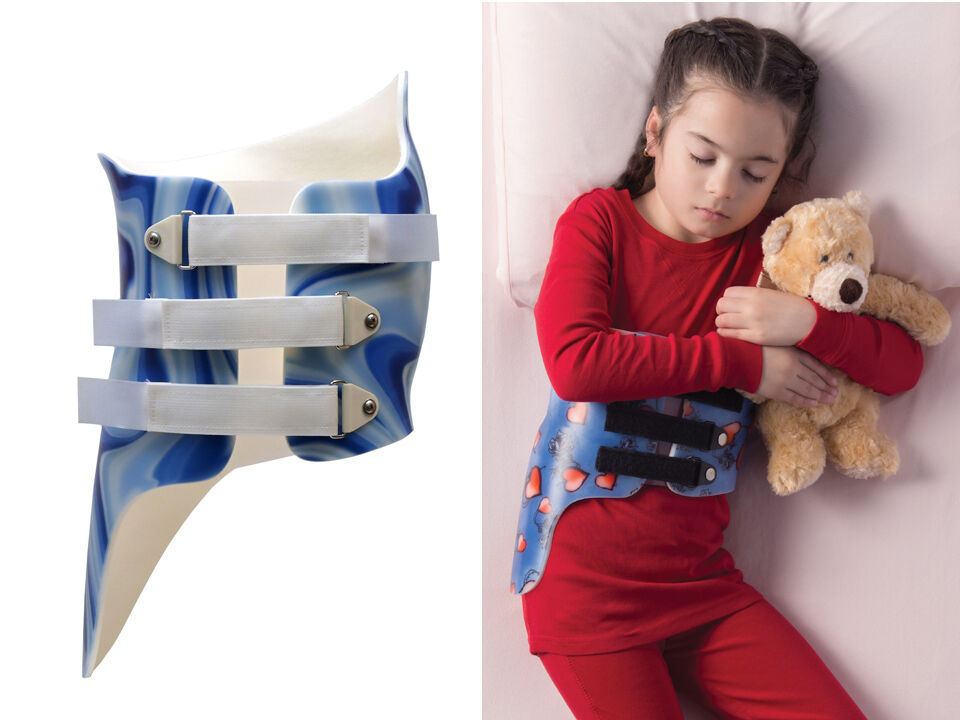
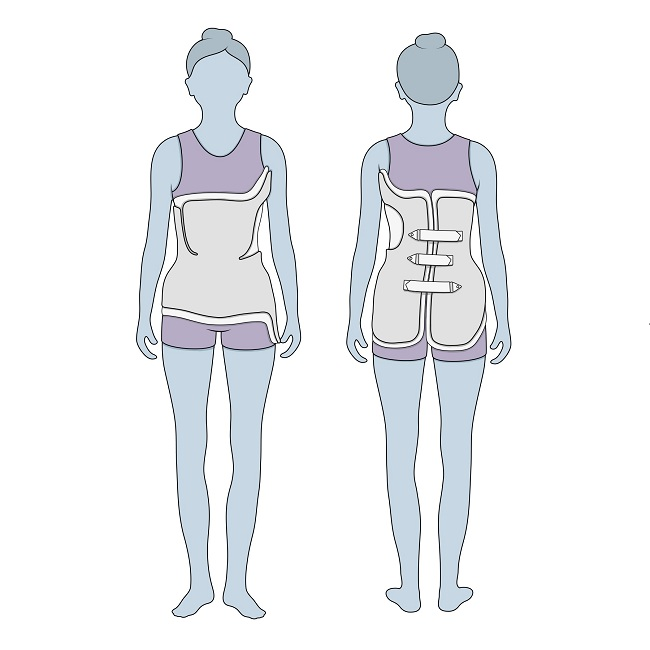
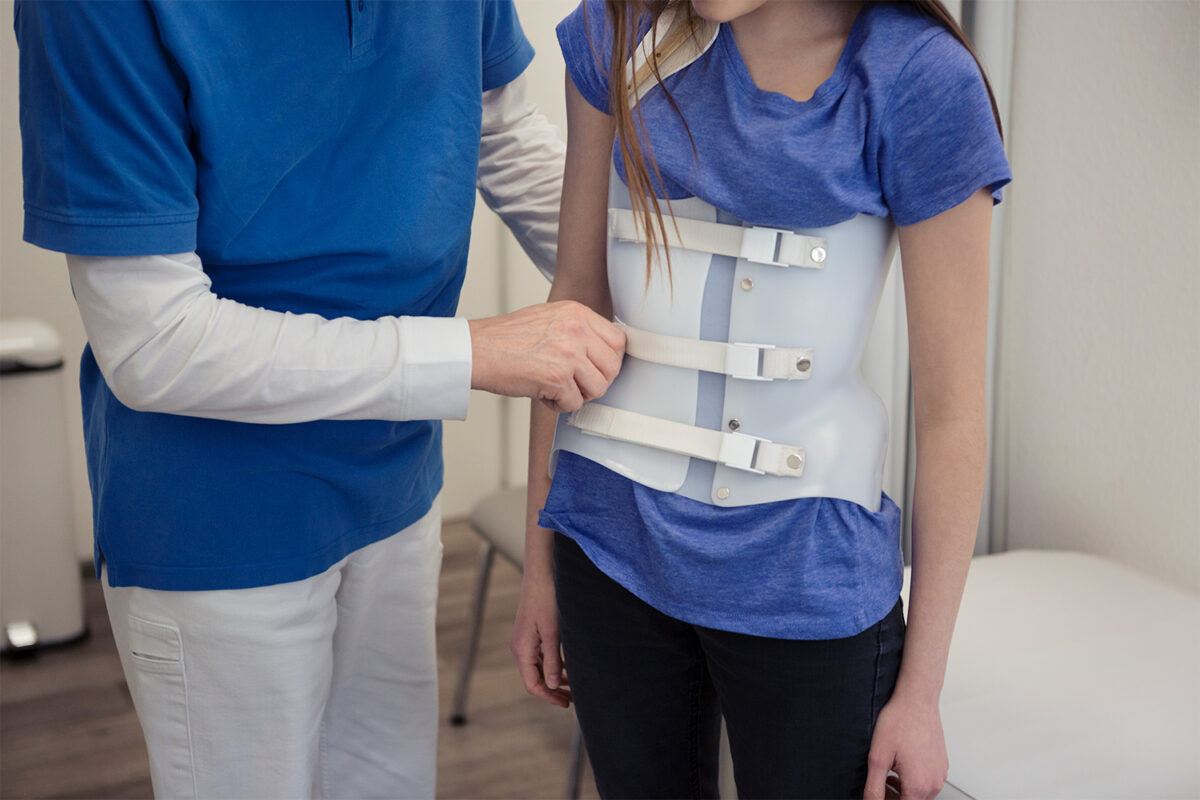
Scoliosis Brace Success Rate are commonly used to treat spinal curvature in adolescents. Evaluating their effectiveness and success rates is crucial in determining the best treatment options. Studies have shown that scoliosis braces can effectively halt the progression of the condition in 70-90% of cases, making them a promising solution for patients.
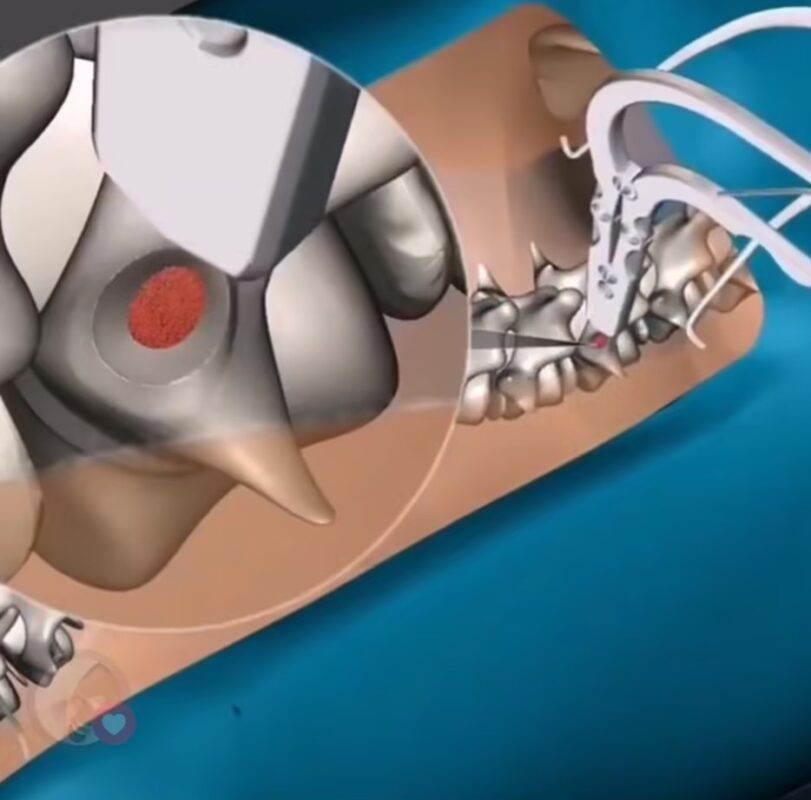
Scoliosis surgery is a complex procedure that aims to correct the curvature of the spine. While it can provide significant benefits, there are potential complications that patients should be aware of. These complications can include infection, nerve damage, blood loss, and implant failure. Understanding these risks is crucial for informed decision-making and post-operative care.
La marche est un exercice à faible impact qui peut apporter de nombreux avantages aux personnes atteintes de scoliose. Elle permet d'améliorer la posture, de renforcer les muscles centraux et d'accroître la souplesse. Toutefois, il est important de noter que la marche seule peut ne pas suffire à corriger la courbure de la colonne vertébrale. Elle doit être combinée à d'autres exercices ciblés, sous la supervision d'un professionnel de la santé.
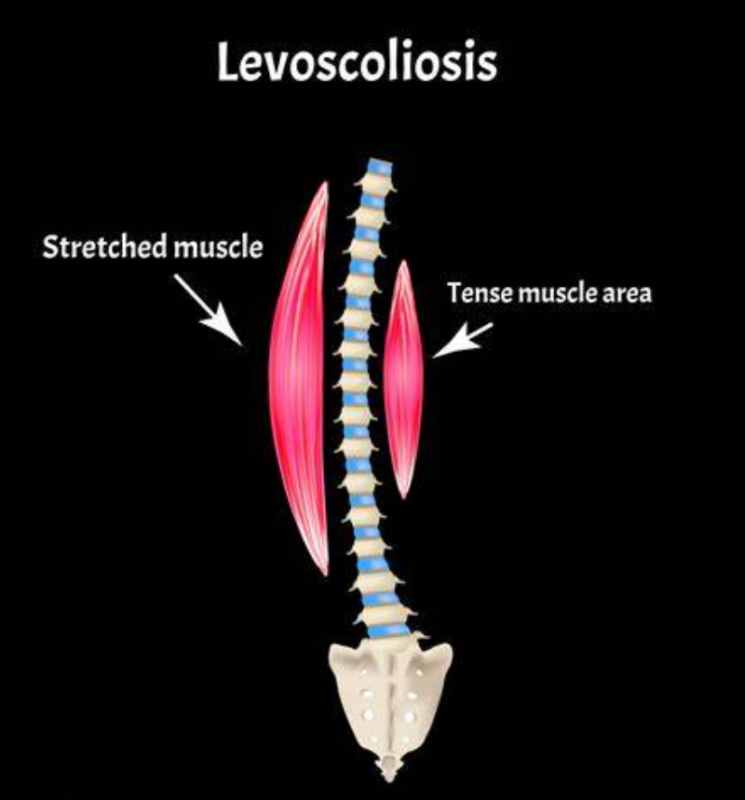
La scoliose lévogyre est une affection complexe de la colonne vertébrale caractérisée par une courbure latérale de la colonne combinée à une composante rotatoire. Cette forme unique de scoliose nécessite une compréhension approfondie de ses caractéristiques et des stratégies de prise en charge. En prenant en compte les aspects latéraux et rotatoires, les professionnels de la santé peuvent proposer des options de traitement efficaces aux personnes atteintes de scoliose levo rotatoire.