
Adult scoliosis, a condition characterized by abnormal curvature of the spine, requires specialized medical attention. Orthopedic surgeons, physiatrists, and spine specialists are the primary doctors who treat adult scoliosis. Treatment approaches may include physical therapy, pain management, bracing, or in severe cases, surgical intervention. Seeking early diagnosis and appropriate medical care is crucial for managing adult scoliosis effectively.
Archives par catégorie: Blog
Votre catégorie de blog
The world of medical technology is advancing rapidly, and the REHACARE International Trade Fair for Rehabilitation and Care, taking place in Düsseldorf, Germany, from September 25-28, 2024, is at the forefront of this transformation. This globally renowned event will bring together over 850 exhibitors from more than 40 countries, featuring the latest in rehabilitation, care […]
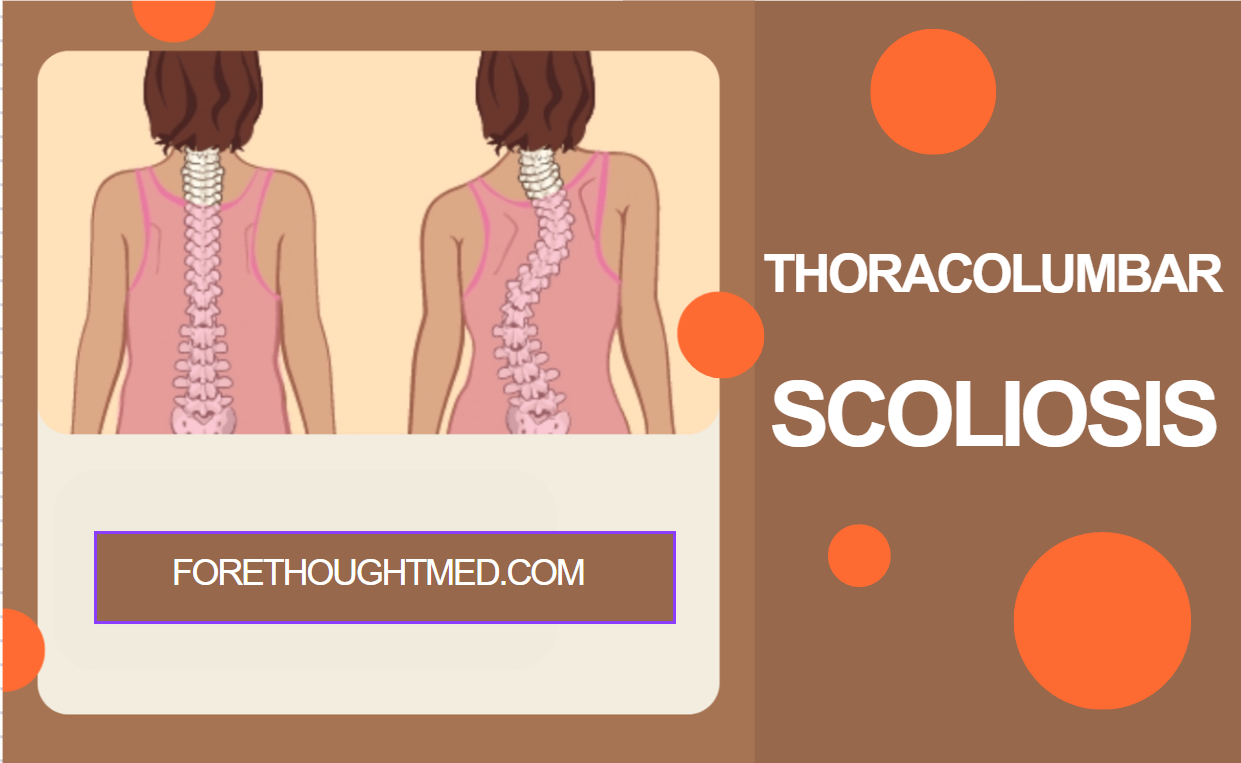
La scoliose thoraco-lombaire est une affection caractérisée par une courbure latérale anormale de la colonne vertébrale dans les régions thoracique et lombaire. Les symptômes les plus courants sont des douleurs dorsales, des épaules inégales et une asymétrie perceptible au niveau de la taille. Les options de traitement vont d'approches conservatrices comme la thérapie physique à des procédures plus invasives comme la chirurgie de fusion vertébrale.
As individuals with scoliosis age, the curvature of their spine can worsen, leading to increased pain and discomfort. This can affect their mobility and overall quality of life. However, there are strategies that can help manage these symptoms, such as regular exercise, physical therapy, and the use of assistive devices.
Scoliosis, a condition characterized by an abnormal curvature of the spine, has long been a subject of interest in the medical community. Recent research suggests that there may be a genetic component to scoliosis, with studies showing a higher prevalence of the condition among individuals with a family history of scoliosis.
La scoliose, qui se caractérise par une courbure anormale de la colonne vertébrale, peut entraîner une gêne et une limitation de la mobilité. Alors que les traitements traditionnels se concentrent sur l'appareillage ou la chirurgie, les soins chiropratiques sont de plus en plus considérés comme une alternative potentielle. Cet article explore les avantages potentiels et les considérations liées à l'utilisation de la chiropraxie pour traiter la scoliose, en donnant un aperçu de son efficacité et de sa sécurité.
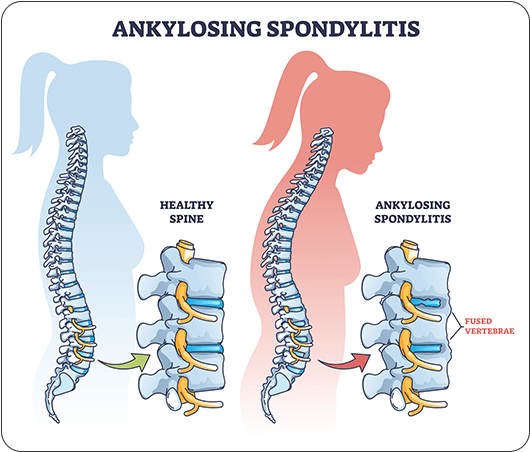
Ankylosing Spondylitis (AS) and scoliosis are two distinct conditions that can often coexist, leading to increased pain and discomfort for individuals. Understanding the connection between AS and scoliosis is crucial for effective treatment approaches. This excerpt explores the relationship between these conditions and highlights potential treatment options for managing symptoms and improving quality of life.
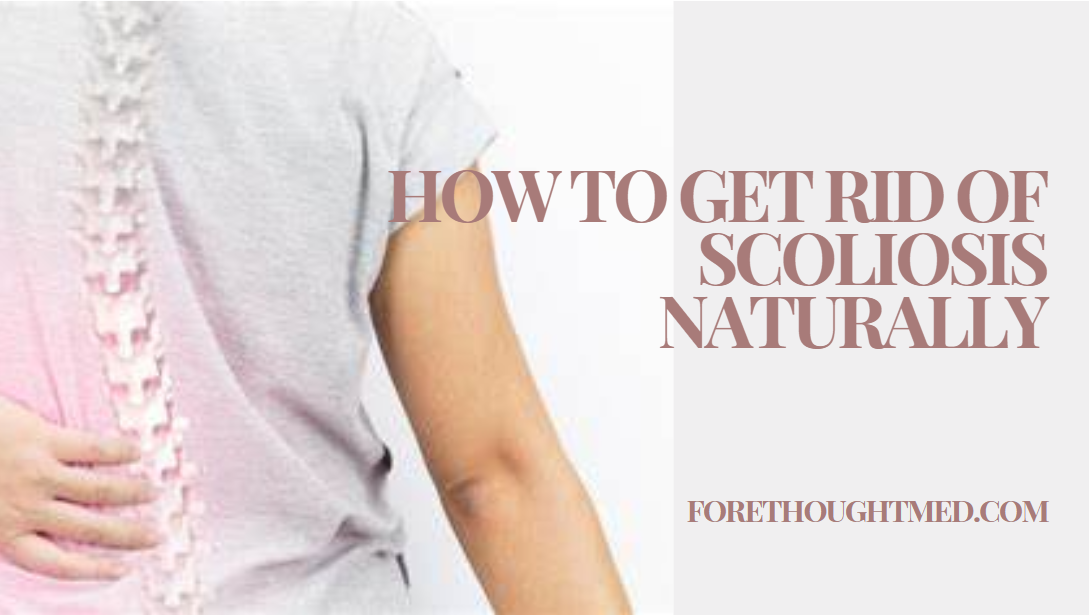
Healing Scoliosis Naturally delves into the world of alternative treatments and natural approaches for managing scoliosis. This comprehensive guide offers a wealth of information on exercises, nutrition, and lifestyle changes that can help alleviate pain and improve spinal alignment. Discover how to take control of your scoliosis journey without resorting to surgery.
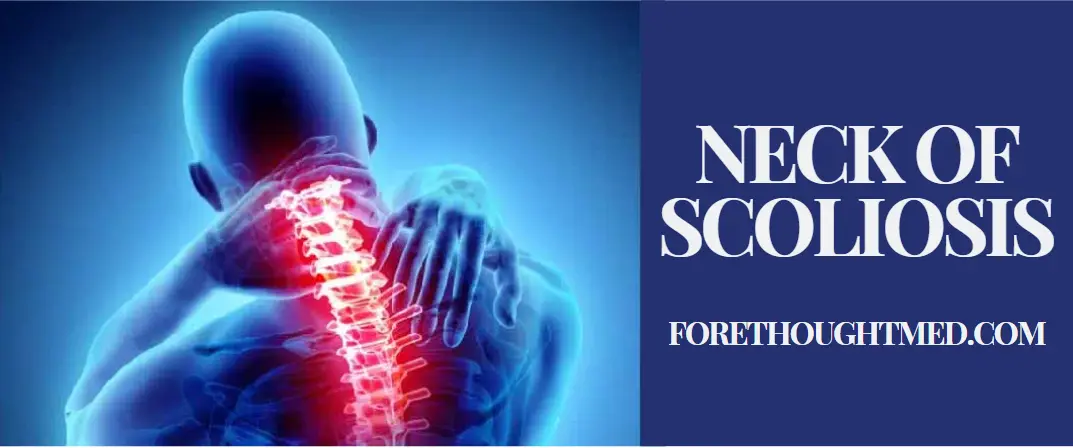
La scoliose du cou, également appelée scoliose cervicale, est une affection caractérisée par une courbure anormale de la colonne cervicale. Elle peut entraîner divers symptômes tels que des douleurs cervicales, des maux de tête et une limitation de l'amplitude des mouvements. Les options de traitement comprennent la kinésithérapie, le port d'attelles et, dans les cas les plus graves, la chirurgie.
During a scoliosis physical exam, several key components and procedures are involved. The doctor will assess the patient’s medical history, conduct a visual examination of the spine, measure the degree of curvature, and evaluate any associated symptoms. X-rays or other imaging tests may also be ordered to further evaluate the condition.