

Minimal thoracolumbar scoliosis refers to a mild curvature of the spine in the thoracolumbar region. Although it may not cause significant symptoms or functional limitations, early diagnosis and management are crucial to prevent progression and potential complications. This article provides insights into the diagnosis, symptoms, and management strategies for this condition.
Kategorie-Archive: Blog
Ihre Blog-Kategorie
Blog
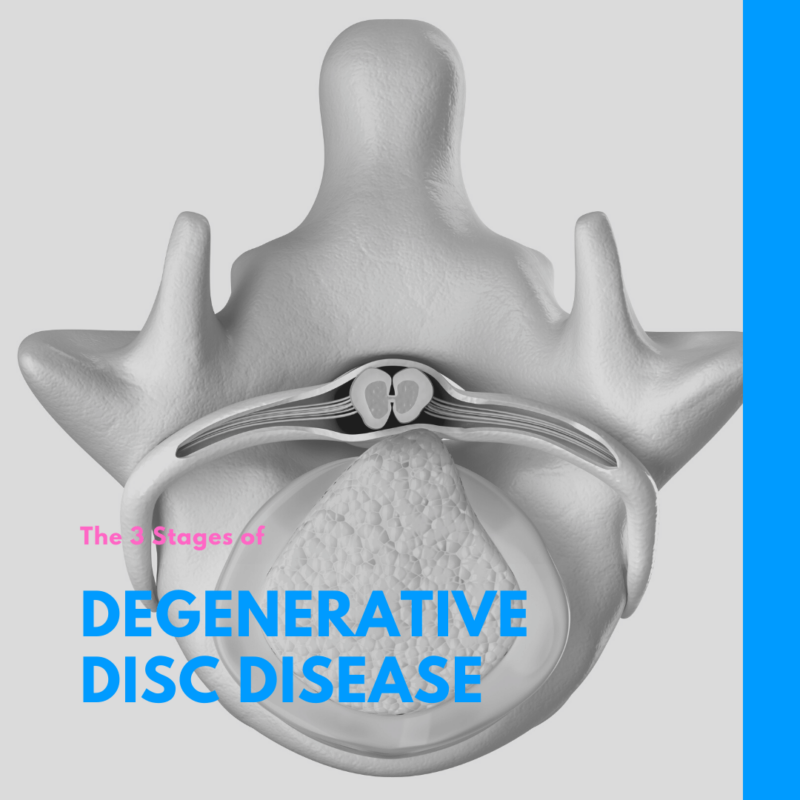
Can Degenerative Disc Disease Cause Scoliosis? Examining the Relationship Between Degenerative Disc Disease and the Development of Scoliosis
03
Sep.
Sep.
Degenerative disc disease (DDD) is a condition that affects the intervertebral discs, causing them to deteriorate over time. While scoliosis is commonly associated with spinal deformities in adolescents, recent studies suggest a potential link between DDD and the development of scoliosis in adults. This article aims to explore this relationship and shed light on the possible causes and implications.
Blog
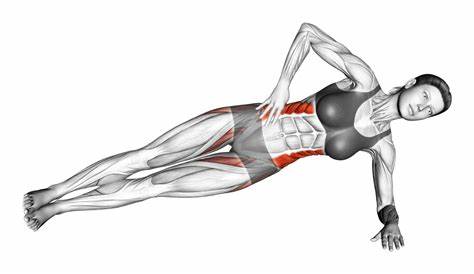
Side Plank Exercise for Scoliosis: Benefits and Techniques for Using Side Planks to Improve Core Strength and Manage Scoliosis
03
Sep.
Sep.
Side plank exercise is a beneficial technique for individuals with scoliosis. By engaging the core muscles, it helps improve stability and posture. This exercise targets the obliques, transverse abdominis, and quadratus lumborum, which are crucial for spinal alignment. Incorporating side planks into a regular workout routine can aid in managing scoliosis and enhancing overall core strength.
Blog
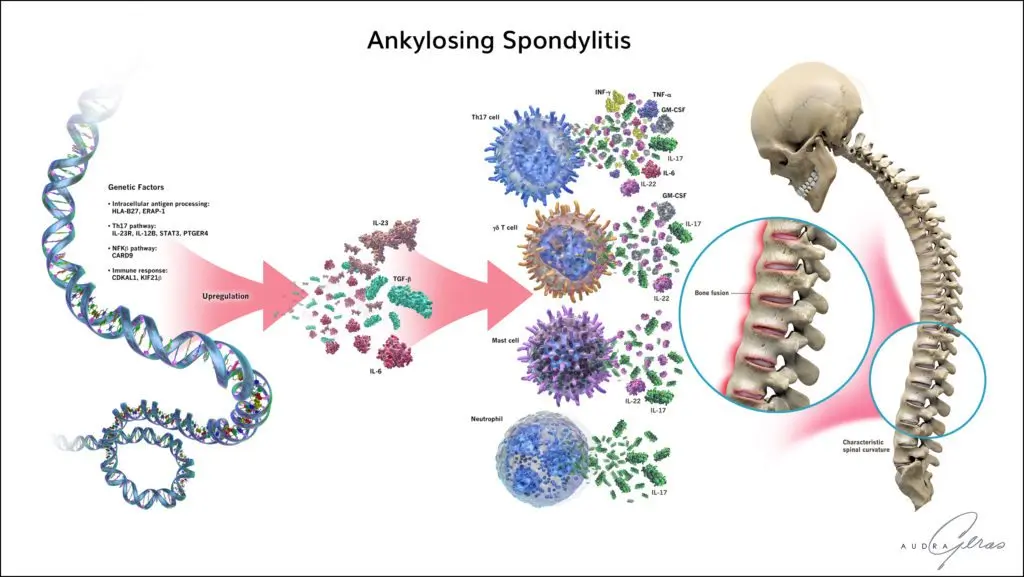
Can Ankylosing Spondylitis Cause Scoliosis? Exploring the Potential Link Between Ankylosing Spondylitis and the Development of Scoliosis
03
Sep.
Sep.
Ankylosing spondylitis (AS) is a chronic inflammatory disease that primarily affects the spine. While scoliosis is commonly associated with AS, the exact relationship between the two conditions remains unclear. Some studies suggest that AS can lead to the development of scoliosis, but further research is needed to establish a definitive link.
Blog
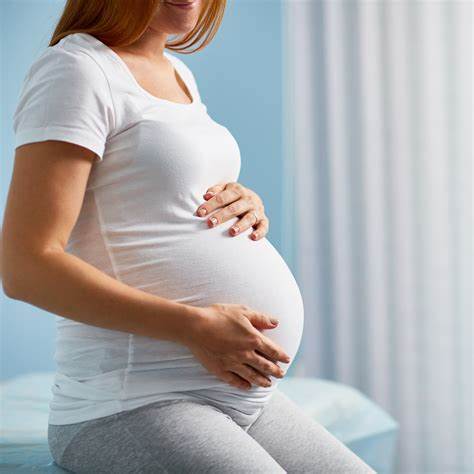
Kann man nach einer Schwangerschaft eine Skoliose entwickeln? Untersuchung der Frage, ob sich eine Skoliose nach einer Schwangerschaft entwickeln oder verschlimmern kann
03
Sep.
Sep.
There is limited research on the direct correlation between pregnancy and scoliosis development or progression. While hormonal changes and weight gain during pregnancy may temporarily exacerbate existing scoliosis symptoms, there is no concrete evidence suggesting that pregnancy can cause scoliosis. Further studies are needed to explore this topic in depth.
Blog
Können Sie eine Invaliditätsrente für leichte Skoliose erhalten? Bewertung der Kriterien und des Verfahrens für den Erhalt von Invaliditätsleistungen für leichte Skoliosefälle

03
Sep.
Sep.
Eine leichte Skoliose ist zwar weniger schwerwiegend als die anderen Formen, kann aber dennoch zu erheblichen Beschwerden und Einschränkungen im täglichen Leben führen. Wenn es jedoch darum geht, eine Invaliditätsleistung zu beantragen, werden die Kriterien strenger. Dieser Artikel befasst sich mit dem Beurteilungsverfahren und den Kriterien für Personen, die Invaliditätsleistungen für leichte Skoliosefälle beantragen.
Blog
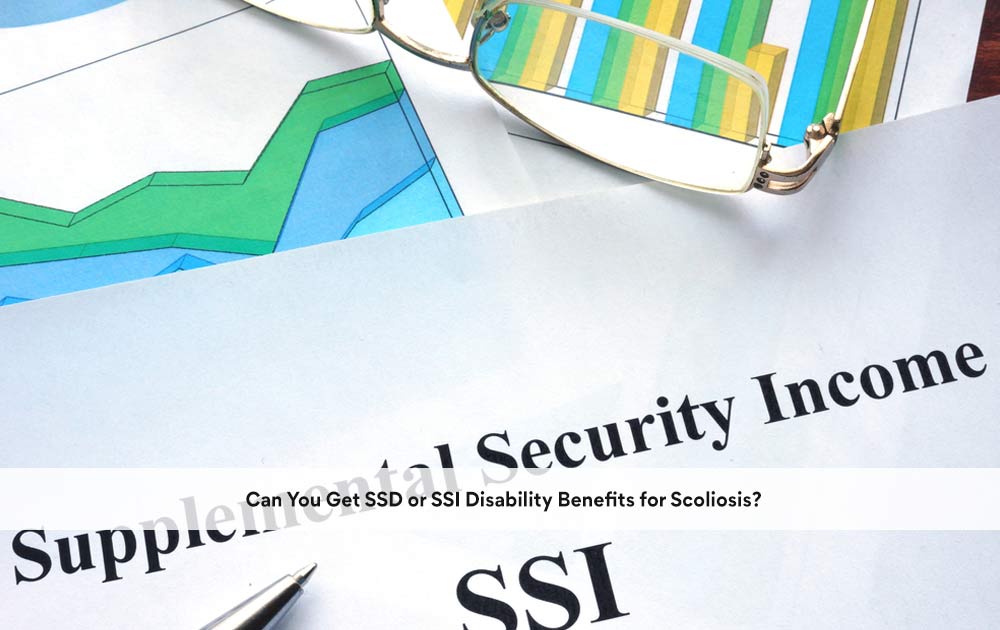
Wie man Invaliditätsleistungen für Skoliose erhält: Schritt-für-Schritt-Anleitung zur Beantragung und Sicherung von Invaliditätsleistungen aufgrund von Skoliose
03
Sep.
Sep.
If you or a loved one is suffering from scoliosis and are unable to work, you may be eligible for disability benefits. This step-by-step guide will walk you through the application process, providing valuable tips and insights to help you secure the financial support you need. Don’t let scoliosis hold you back any longer – take action today.
Blog
Was sind die Stadien der degenerativen Skoliose? Verständnis der fortschreitenden Stadien und Behandlungsoptionen für degenerative Skoliose
03
Sep.
Sep.
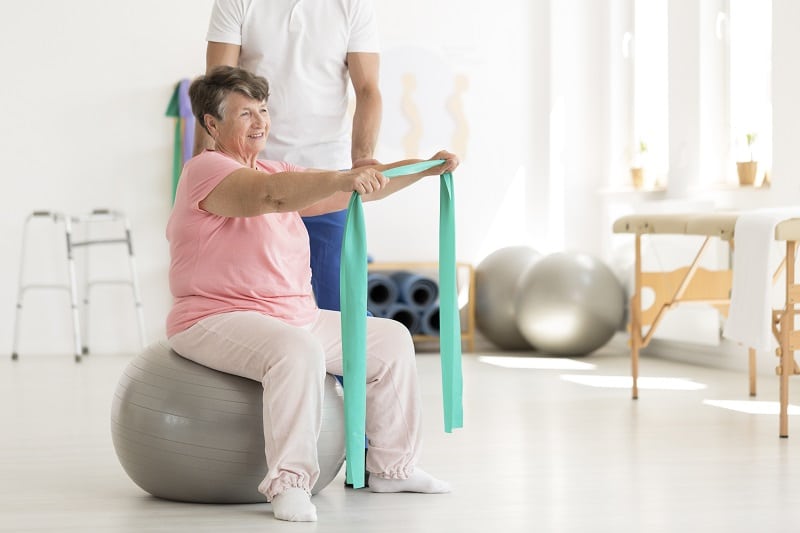
Degenerative scoliosis progresses through three stages: early, moderate, and severe. In the early stage, patients may experience mild pain and stiffness. As it progresses to the moderate stage, pain intensifies, and spinal curvature becomes more noticeable. In the severe stage, patients may face chronic pain, difficulty breathing, and reduced mobility. Treatment options include physical therapy, medication, and in severe cases, surgery.
The Boston Brace is a widely used orthopedic device for treating scoliosis, a condition characterized by an abnormal curvature of the spine. This custom-made brace is designed to apply corrective pressure on the spine, helping to slow down or halt the progression of the curvature. Studies have shown the Boston Brace to be effective in managing scoliosis and improving patients’ quality of life.
Blog
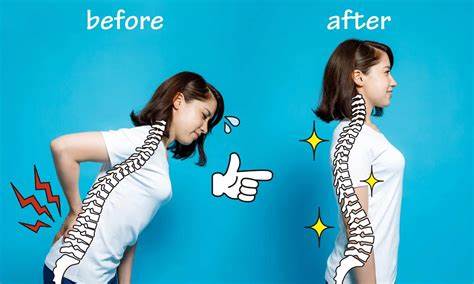
Gute Körperhaltung bei Skoliose: Tipps und Techniken für eine korrekte Körperhaltung zur Bewältigung und Linderung von Skoliose-Symptomen
03
Sep.
Sep.
Eine gute Körperhaltung ist für Menschen mit Skoliose entscheidend, um die Symptome zu kontrollieren und zu lindern. Dieses Buch enthält wertvolle Tipps und Techniken, die Ihnen helfen, eine gute Haltung zu erreichen, einschließlich Übungen, Dehnungen und ergonomische Anpassungen. Wenn Sie diese Strategien in Ihre tägliche Routine einbauen, können Sie Ihre Wirbelsäule besser ausrichten und Ihr allgemeines Wohlbefinden steigern.