
Kategorie-Archive: Blog

Ihre Blog-Kategorie

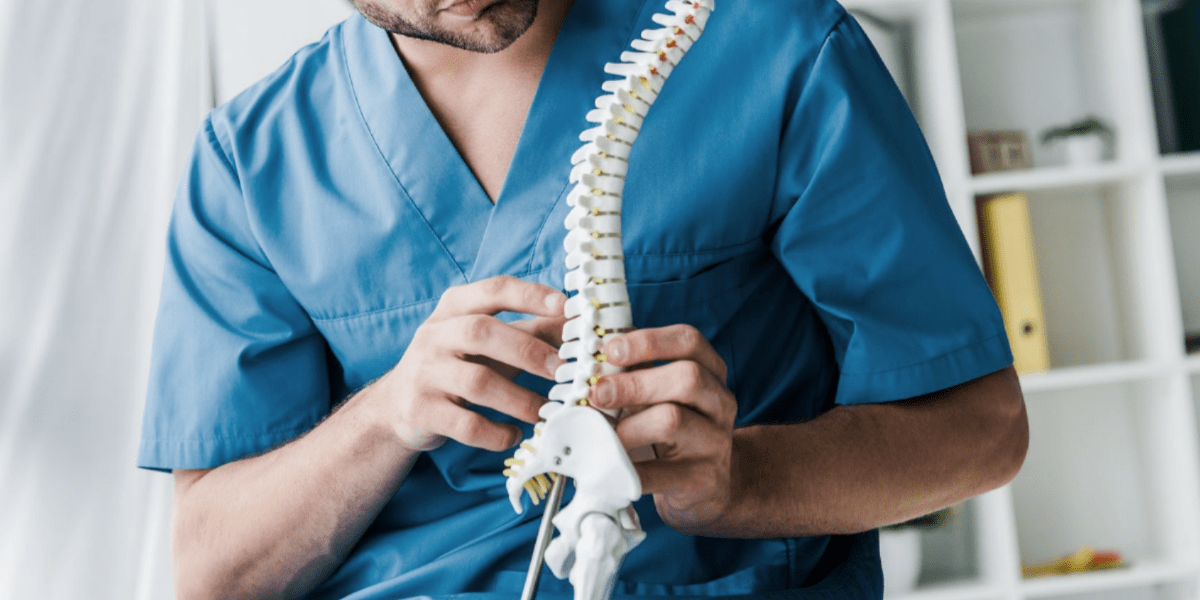
Welche Art von Arzt behandelt die Skoliose bei Erwachsenen? Identifizierung der Arten von Spezialisten und Behandlungsansätzen für Skoliose bei Erwachsenen
Doctor Treats Scoliosis in Adults

Adult scoliosis, a condition characterized by abnormal curvature of the spine, requires specialized medical attention. Orthopedic surgeons, physiatrists, and spine specialists are the primary doctors who treat adult scoliosis. Treatment approaches may include physical therapy, pain management, bracing, or in severe cases, surgical intervention. Seeking early diagnosis and appropriate medical care is crucial for managing adult scoliosis effectively.
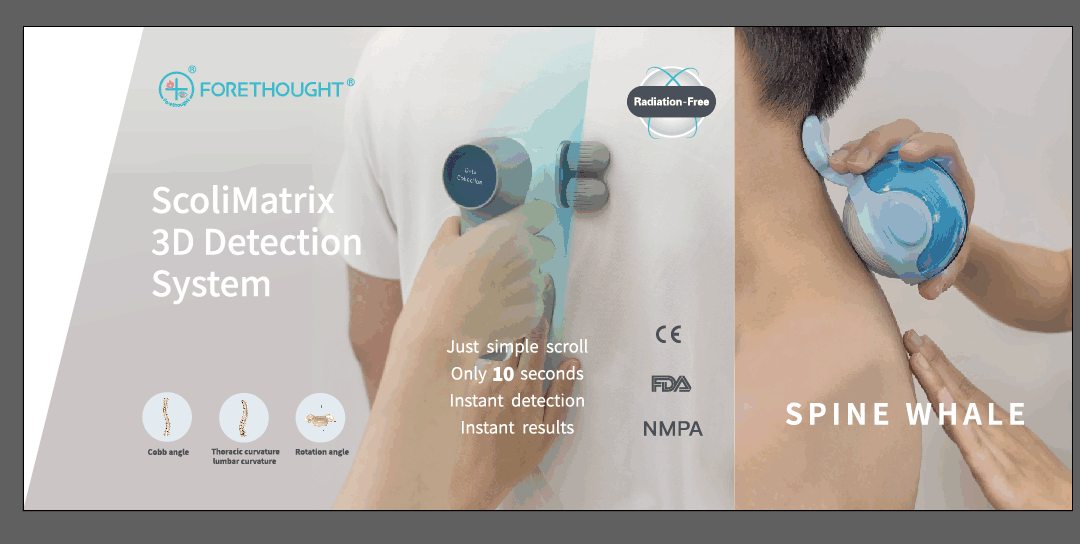
Entdecken Sie die Zukunft der Rehabilitation und der medizinischen Innovation auf der REHACARE 2024

The world of medical technology is advancing rapidly, and the REHACARE International Trade Fair for Rehabilitation and Care, taking place in Düsseldorf, Germany, from September 25-28, 2024, is at the forefront of this transformation. This globally renowned event will bring together over 850 exhibitors from more than 40 countries, featuring the latest in rehabilitation, care […]

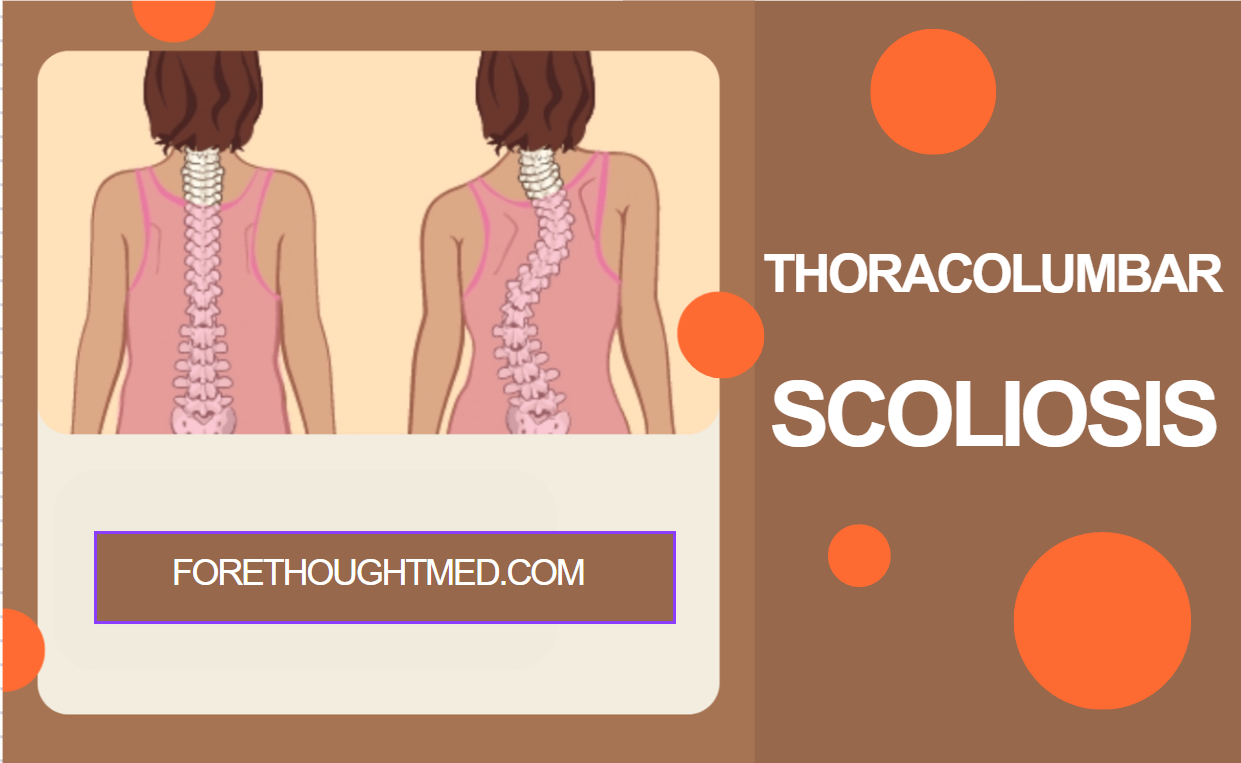
Was ist eine thorakolumbale Skoliose? Umfassender Überblick über die thorakolumbale Skoliose, ihre Symptome und die verfügbaren Behandlungsmöglichkeiten

Thoracolumbar scoliosis is a condition characterized by an abnormal sideways curvature of the spine in the thoracic and lumbar regions. Common symptoms include back pain, uneven shoulders, and a noticeable asymmetry in the waistline. Treatment options range from conservative approaches like physical therapy to more invasive procedures such as spinal fusion surgery.

Scoliosis and Aging: How Scoliosis Progresses and Affects Individuals as They Age, and Strategies for Managing Symptoms

Kann Physiotherapie bei Skoliose helfen? Bewertung des Nutzens und der Wirksamkeit der Physiotherapie bei der Behandlung von Skoliose

As individuals with scoliosis age, the curvature of their spine can worsen, leading to increased pain and discomfort. This can affect their mobility and overall quality of life. However, there are strategies that can help manage these symptoms, such as regular exercise, physical therapy, and the use of assistive devices.

Can Scoliosis Be Hereditary? Exploring the Genetic Factors and Family History Links Related to Scoliosis

Ist Skoliose erblich bedingt? Genetische Faktoren und Links zur Familiengeschichte

Scoliosis, a condition characterized by an abnormal curvature of the spine, has long been a subject of interest in the medical community. Recent research suggests that there may be a genetic component to scoliosis, with studies showing a higher prevalence of the condition among individuals with a family history of scoliosis.

Skoliose und Chiropraktiker: Mögliche Vorteile und Überlegungen zur chiropraktischen Behandlung von Skoliose

Erkundung der möglichen Vorteile und Überlegungen zur chiropraktischen Behandlung von Skoliose

Scoliosis, a condition characterized by an abnormal curvature of the spine, can cause discomfort and limited mobility. While traditional treatments focus on bracing or surgery, chiropractic care is gaining attention as a potential alternative. This article explores the potential benefits and considerations of using chiropractic care for scoliosis, offering insights into its effectiveness and safety.

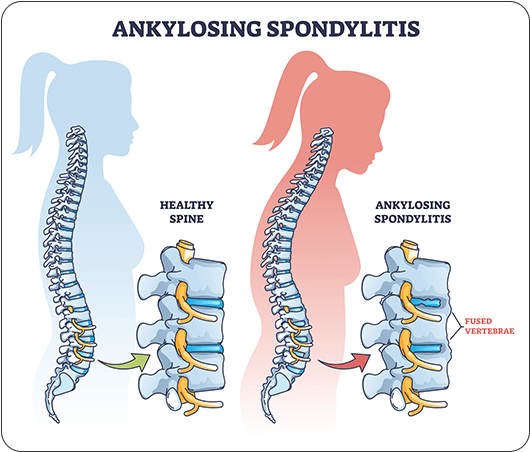
Spondylitis ankylosans Skoliose: Den Zusammenhang zwischen Morbus Bechterew und Skoliose verstehen und Behandlungsansätze

Spondylitis ankylosans (AS) und Skoliose sind zwei unterschiedliche Erkrankungen, die oft nebeneinander bestehen und bei den Betroffenen zu verstärkten Schmerzen und Beschwerden führen können. Das Verständnis des Zusammenhangs zwischen AS und Skoliose ist entscheidend für wirksame Behandlungsansätze. In diesem Auszug wird der Zusammenhang zwischen diesen beiden Erkrankungen untersucht und es werden mögliche Behandlungsoptionen zur Bewältigung der Symptome und zur Verbesserung der Lebensqualität aufgezeigt.

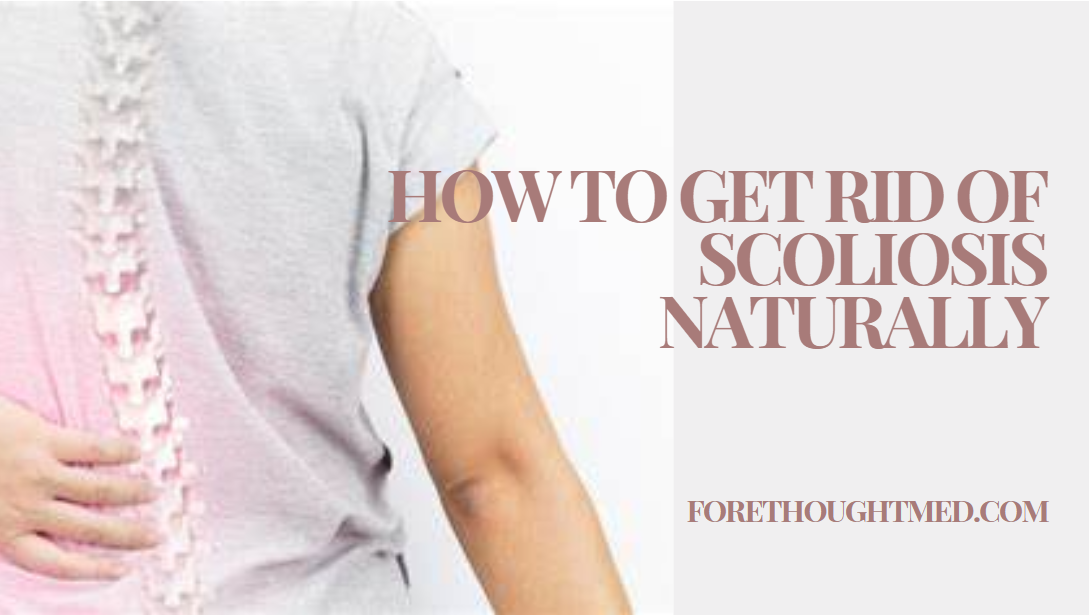
Skoliose natürlich heilen: Erforschung alternativer Behandlungsmethoden und natürlicher Ansätze zur Bewältigung von Skoliose ohne chirurgische Eingriffe

Exploring Alternative Treatments and Natural Approaches for Managing Scoliosis Without Surgical Intervention

Healing Scoliosis Naturally delves into the world of alternative treatments and natural approaches for managing scoliosis. This comprehensive guide offers a wealth of information on exercises, nutrition, and lifestyle changes that can help alleviate pain and improve spinal alignment. Discover how to take control of your scoliosis journey without resorting to surgery.

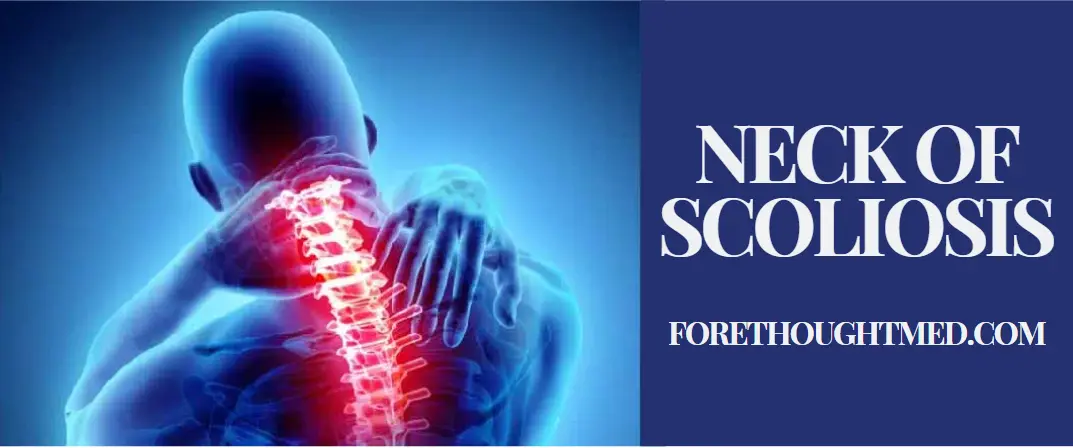
Scoliosis of Neck: Detailed Information on the Diagnosis, Symptoms, and Treatment Options for Scoliosis Affecting the Cervical Spine

Scoliosis of the neck, also known as cervical scoliosis, is a condition characterized by an abnormal curvature of the cervical spine. This can lead to various symptoms such as neck pain, headaches, and limited range of motion. Treatment options include physical therapy, bracing, and in severe cases, surgery.

Was Sie bei einer Skoliose-Untersuchung zu erwarten haben: Die wichtigsten Komponenten und Verfahren bei der Untersuchung von Skoliose

During a scoliosis physical exam, several key components and procedures are involved. The doctor will assess the patient’s medical history, conduct a visual examination of the spine, measure the degree of curvature, and evaluate any associated symptoms. X-rays or other imaging tests may also be ordered to further evaluate the condition.