


Scoliosis is an abnormal curvature of the spine. A 16-degree curvature is considered mild and may not cause significant physical limitations or pain. However, it is important to manage the condition to prevent further progression. The causes of scoliosis are often unknown but may involve genetic and environmental factors. Scoliosis can be congenital or develop during adolescence. Symptoms of 16-degree scoliosis might include uneven shoulders or a tilted pelvis, but many individuals with mild scoliosis may not experience noticeable symptoms.
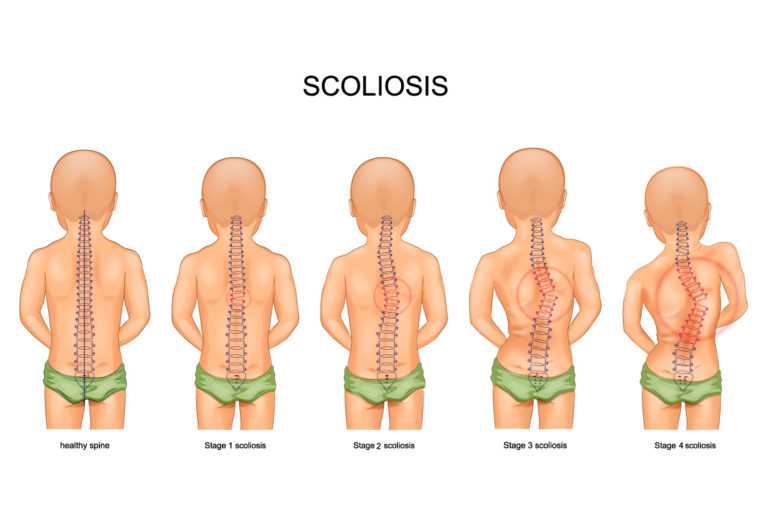
Diagnostic Methods for 16 Degree Scoliosis
To diagnose 16-degree scoliosis, healthcare professionals perform physical examinations and order imaging tests such as X-rays or MRI scans. These tests help assess the degree of curvature and identify any underlying issues. The healthcare provider will also review the patient’s medical history and overall health to determine the best course of action.
Non-Surgical Treatment Options for 16 Degree Scoliosis
Non-surgical treatments are often the initial approach for managing 16-degree scoliosis. These options aim to prevent the curvature from worsening and address any symptoms. Observation is a common method, involving regular monitoring of the curvature over time. Physical therapy and exercise programs can improve posture, strengthen spinal muscles, and increase flexibility.
Bracing Techniques for Managing 16 Degree Scoliosis
Bracing may be recommended to manage 16-degree scoliosis in some cases. Braces help correct and prevent the worsening of spinal curvature. The type and duration of bracing depend on factors such as age, skeletal maturity, and curvature severity. Bracing is especially effective in adolescents with growing spines, guiding the spine toward a more normal alignment.
Physical Therapy and Exercise for 16 Degree Scoliosis
Physical therapy and exercise are crucial for managing 16-degree scoliosis. These interventions focus on enhancing posture, strengthening core muscles, and improving flexibility. Physical therapists may use techniques like stretching exercises, strengthening routines, and manual therapy tailored to the individual’s needs. Regular therapy sessions can help reduce pain, improve mobility, and enhance quality of life.
Pain Management Strategies for 16 Degree Scoliosis
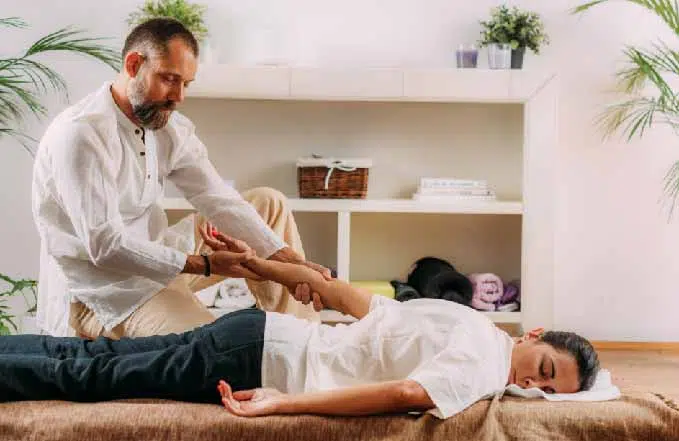
While 16-degree scoliosis may not always cause significant pain, some individuals might experience discomfort. Pain management strategies include over-the-counter NSAIDs or prescription medications for more severe pain. Alternative therapies such as acupuncture, chiropractic care, or massage therapy may also offer relief.
Surgical Interventions for 16 Degree Scoliosis
Surgery is generally not recommended for 16-degree scoliosis unless the curvature progresses rapidly or causes significant pain or functional issues. In rare cases, surgical options might be considered if non-surgical treatments are ineffective. Surgical interventions aim to straighten and stabilize the spine through techniques like spinal fusion or instrumentation.
Preoperative Considerations for 16 Degree Scoliosis Surgery
Before scoliosis surgery, several preoperative considerations are essential. These include evaluating the patient’s overall health, any underlying conditions, and nutritional status to ensure optimal healing. Psychological support may also be provided to address any concerns or anxieties related to the surgery.
Postoperative Care and Rehabilitation for 16 Degree Scoliosis Surgery
Postoperative care is critical for a successful recovery following scoliosis surgery. The patient will be monitored for complications and receive pain management as needed. Physical therapy and rehabilitation will be initiated to restore strength, mobility, and flexibility. Proper wound care, activity restrictions, and follow-up appointments will be guided by the healthcare team to ensure a smooth recovery.
Long-Term Management and Follow-Up for 16 Degree Scoliosis
Long-term management involves regular follow-up appointments to monitor the curvature and assess any changes. Depending on the individual’s age and skeletal maturity, periodic X-rays or imaging tests may be recommended. Continued physical therapy and exercise can help maintain optimal spinal health.

Lifestyle Modifications and Coping Strategies for 16 Degree Scoliosis
Managing 16-degree scoliosis may require lifestyle modifications and coping strategies. Maintaining good posture, avoiding heavy lifting, and engaging in regular exercise are important. Supportive resources like support groups or counseling can help address emotional or psychological challenges. Developing a positive mindset and seeking support from loved ones can contribute to overall well-being.
結論
Effective management of 16-degree scoliosis involves a combination of non-surgical treatments, bracing, physical therapy, pain management, and, in rare cases, surgical interventions. Regular monitoring, follow-up, and lifestyle adjustments are essential for long-term health and quality of life. By implementing these strategies, individuals with 16-degree scoliosis can lead fulfilling lives with minimal limitations.
参考文献
- 全米側湾症財団.「側湾症との付き合い方.にて入手可能: 脊柱側湾症への対応
- 全米側湾症財団.「脊柱側湾症の概要.にて入手可能: 脊柱側湾症の概要
- メイヨークリニック"脊柱側湾症"で入手可能: 脊柱側湾症
- アメリカ整形外科学会。「脊柱側湾症の診断と治療".にて入手可能: 脊柱側湾症の診断と治療
- クリーブランドクリニック「脊柱側湾症を理解する。入手可能: 脊柱側湾症を理解する
- 側湾症研究会.「軽度の脊柱側弯症の治療".にて入手可能: 軽度の脊柱側湾症の治療
- 国立関節炎・筋骨格系・皮膚疾患研究所。「脊柱側湾症の治療にて入手可能: 脊柱側湾症治療
- 脊椎の健康「脊柱側湾症のための装具.にて入手可能: 側弯症のための装具
- 関節炎財団。「脊柱側湾症の理学療法。にて入手可能: 脊柱側湾症の理学療法
- WebMD."脊柱側湾症の痛みの管理"にて入手可能: 脊柱側湾症の疼痛管理
- ジョンズ・ホプキンス医学「脊柱側弯症に対する手術の選択肢".にて入手可能: 脊柱側湾症に対する手術の選択肢
- 国民保健サービス(NHS).「脊柱側湾症と共に生きる入手可能: 脊柱側湾症とともに生きる
- スパインヘルス「脊柱側湾症手術の術後ケア".にて入手可能: 脊柱側湾症手術の術後ケア
- メイヨークリニック「脊柱側湾症の理学療法と運動".にて入手可能: 理学療法と運動
- アメリカ理学療法協会。「脊柱側湾症と理学療法。にて入手可能: 脊柱側湾症と理学療法
