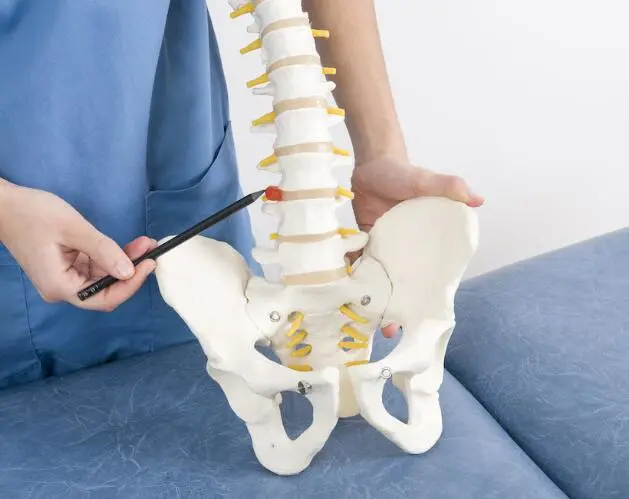

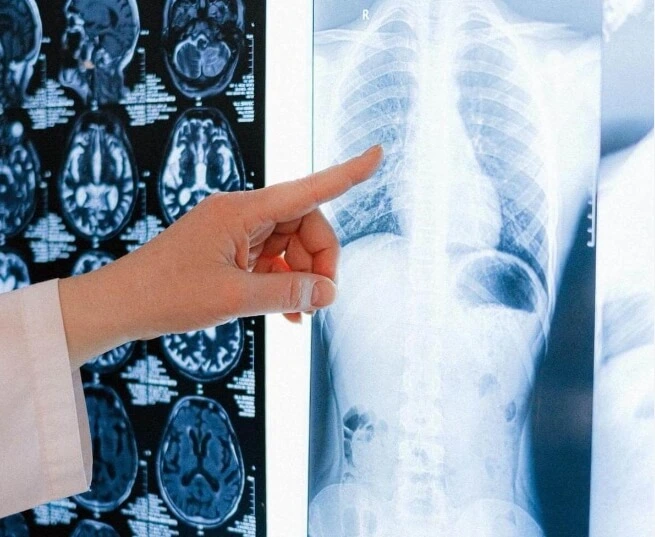
Which diseases can be diagnosed through a comprehensive MRI scan of the entire spine? This imaging procedure covers the cervical, thoracic, and lumbar regions, offering a detailed view of the spinal cord. Specifically, a cervical spine MRI scan is employed to assess pain, injuries, and numbness extending to the arm(s). Thoracic spine MRI scans are primarily used to evaluate whether there is spinal cord compression, nerve root compression, or other spinal cord-related problems. Lumbar spine MRI scans are mainly used to evaluate problems such as disc and spinal deformities. What is Whole Spine MRI Screening? A whole spine MRI screening serves as a non-invasive diagnostic method, utilizing advanced equipment that generates magnetic […]
カテゴリーアーカイブ: Blog
ブログのカテゴリー
I. Introduction to Optical Spine Scanning In modern medical science, the development of imaging technology has been an important driver of diagnostic and therapeutic advances. However, conventional spine scanning techniques face a challenge that cannot be ignored – radiation.Common scanning methods such as X-rays and MRIs, while playing a great role in clinical applications, have radiation risks that worry both physicians and patients. Radiation-free optical spine scanning technology drastically reduces the use of radiation while maintaining the ability to scan efficiently and accurately. This not only makes the scanning process safer, but also eliminates the concern of long-term radiation exposure for patients and healthcare professionals. II. Technical Advantages of Radiation-Free Optical […]
Understanding Whole Spine X Ray The utilization of radiation to create intricate images of the spinal bones characterizes a spinal X-ray. This diagnostic procedure plays a crucial role in helping physicians identify the root causes of back or neck pain experienced by patients. The process involves a technician employing a machine that directs X-ray beams through the body, capturing a black-and-white image on specialized film or computer software. The resulting image distinguishes bones and other dense tissues, appearing white, from softer tissues such as fat or muscle, which manifest in varying shades of gray. Why do You Need Whole Spine X Ray? The X-ray will help you understand the reason of […]
In the realm of spinal imaging, artificial intelligence algorithms have been created to address various objectives, such as enhancing the overall image quality, automatically labeling vertebral levels, and identifying, segmenting, and characterizing lesions. With the changes in modern lifestyles, spine-related health problems such as spinal pain and spinal deformities are becoming more prominent. Artificial intelligence brings new hope for spine assessment. We will delve into the role of AI in spine assessment to provide more patients with early and accurate diagnosis, thus improving treatment outcomes and quality of life. Challenges and Needs of Spine Assessment Traditional methods of spine assessment face a number of challenges in dealing with the diversity of […]
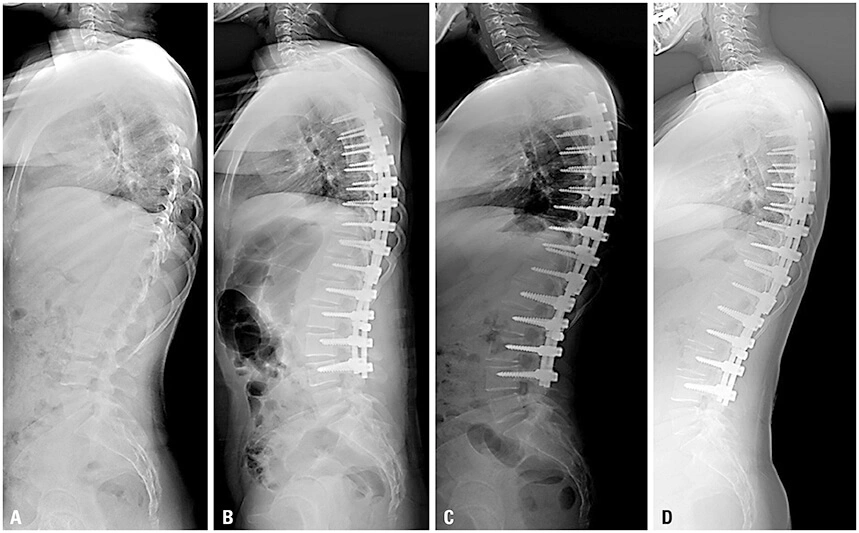
Pediatric scoliosis, often identified through altered stature or routine screenings, is diagnosed via spine radiographs, noting a coronal curvature of 10° or more. Treatment options include observation, bracing until skeletal maturity, or surgery for severe deformities. Success in non-operative management depends on deformity etiology, close monitoring, and patient compliance. Surgery commonly involves a posterior fusion approach with instrumentation, with patients resuming daily activities within 6 months postoperatively. Continued intermittent monitoring into adulthood is advised to detect late deformity progression, arthritis symptoms, or related issues. Facts about Pediatric Scoliosis Pediatric scoliosis is more prevalent among children than commonly perceived. Approximately 3 percent of adolescents grapple with this condition, characterized by an “S” […]
I. Introduction of Noninvasive Spine Assessment Whether it is in the daily activities of life or in the intense training of professional athletes, the spine performs the critical task of supporting the body and protecting the spinal cord. In the past, spinal assessment usually required invasive methods such as X-rays or other invasive examinations, which may not only cause discomfort to patients but also carry certain health risks. As technology advances, non-invasive spinal assessment techniques are coming into their own, providing a safer and more convenient option for monitoring spinal health. We will take an in-depth look at the basic structure of the spine and its impact on body function. We […]
When it comes to spinal health, one condition that often raises concerns is scoliosis. Scoliosis is a medical condition characterized by an abnormal sideways curvature of the spine. While the causes of scoliosis can vary, its impact on an individual’s life can be significant. In this article, we will delve into the world of scoliosis treatment, focusing on natural approaches that can enhance spinal health and overall well-being. Understanding Scoliosis Scoliosis is a spinal deformity that leads to an unnatural curvature of the spine. This condition can affect people of all ages, but it’s most commonly diagnosed during adolescence. There are two primary types of scoliosis: structural and non-structural. Structural […]
Scoliosis is an abnormal lateral curvature of the spine along its longitudinal axis. This condition may be congenital or may develop gradually during growth and development. In addition to the obvious cosmetic changes, scoliosis can cause discomfort, pain, and interfere with other aspects of body function. Therefore, early and thorough evaluation of scoliosis is the first step in ensuring successful treatment. Scoliosis Assessment Physiotherapy Process First, a professional therapist will make an initial contact with the patient to get in-depth information about his/her medical history, lifestyle, and symptom presentation. This individualized communication helps the therapist better understand the patient’s background and specific needs, providing the necessary context for the subsequent evaluation. […]
What is Congenital Scoliosis? Congenital scoliosis arises in newborns or young infants, revealing an abnormal spinal curvature formed during fetal growth. The spine in affected children exhibits a distinct S or C shape due to the improper development of vertebrae. This deviation stems from anomalies during fetal development, resulting in either ‘extra’ segments or the fusion of normally separate vertebrae. The severity of spinal defects varies, from minor involvement of one segment to more extensive deformities. Congenital scoliosis often coexists with related conditions like kyphosis and lordosis, which may also appear independently. Addressing congenital scoliosis involves a spectrum of treatment options, contingent on the appearance and severity of the spinal curvature. […]
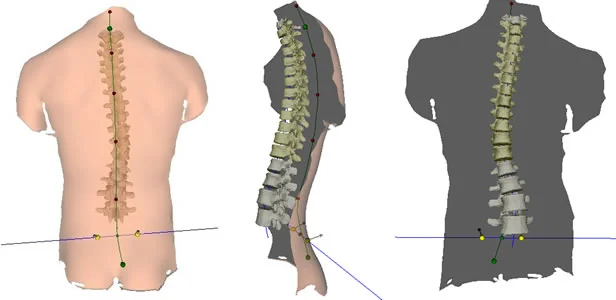
The empowerment of digital technology in the big health industry has become a key means to enhance the technical capability and service level in the medical field. In this trend of development, Forethought Medical has brought a change in the field of scoliosis by virtue of its independent research and development innovation ability. Its “radiation-free 3D electronic spinal instrument” is an entry point to fill the pain points in the scoliosis screening market. Not only can it directly measure key indicators such as spinal Cobb angle, thoracolumbar curvature, and vertebral body axial rotation angle in the standing position wearing a single garment, but it also successfully breaks the limitations of venues, technology, […]