

カテゴリーアーカイブ: Blog

ブログのカテゴリー

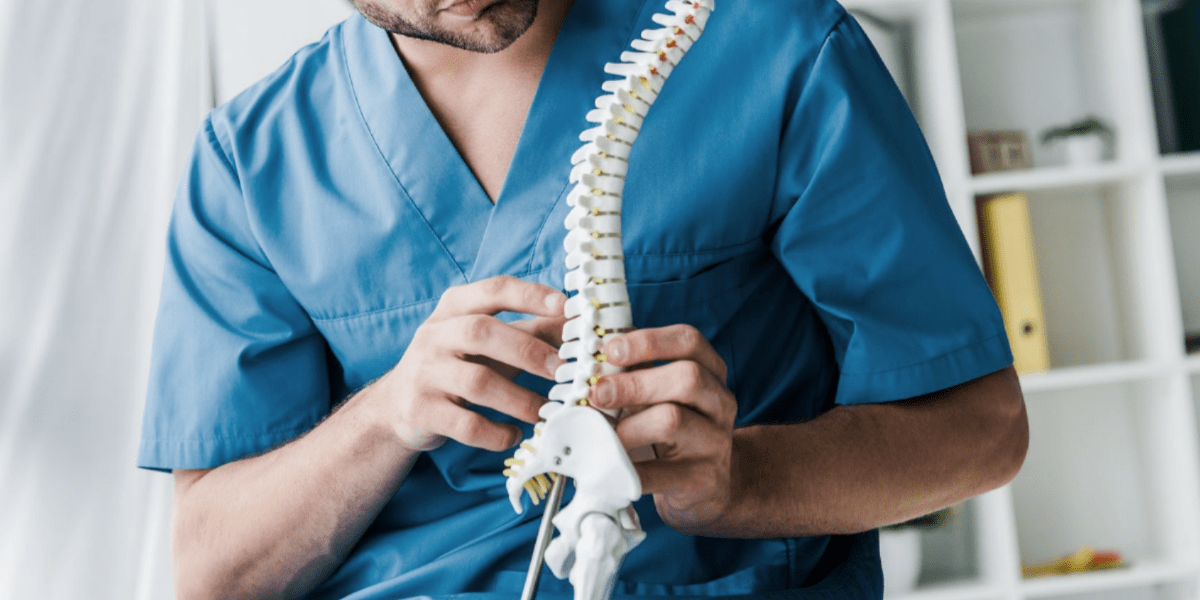
大人の側湾症を治療する医師とは?成人の脊柱側弯症の専門医の種類と治療法を見極める

Doctor Treats Scoliosis in Adults

Adult scoliosis, a condition characterized by abnormal curvature of the spine, requires specialized medical attention. Orthopedic surgeons, physiatrists, and spine specialists are the primary doctors who treat adult scoliosis. Treatment approaches may include physical therapy, pain management, bracing, or in severe cases, surgical intervention. Seeking early diagnosis and appropriate medical care is crucial for managing adult scoliosis effectively.
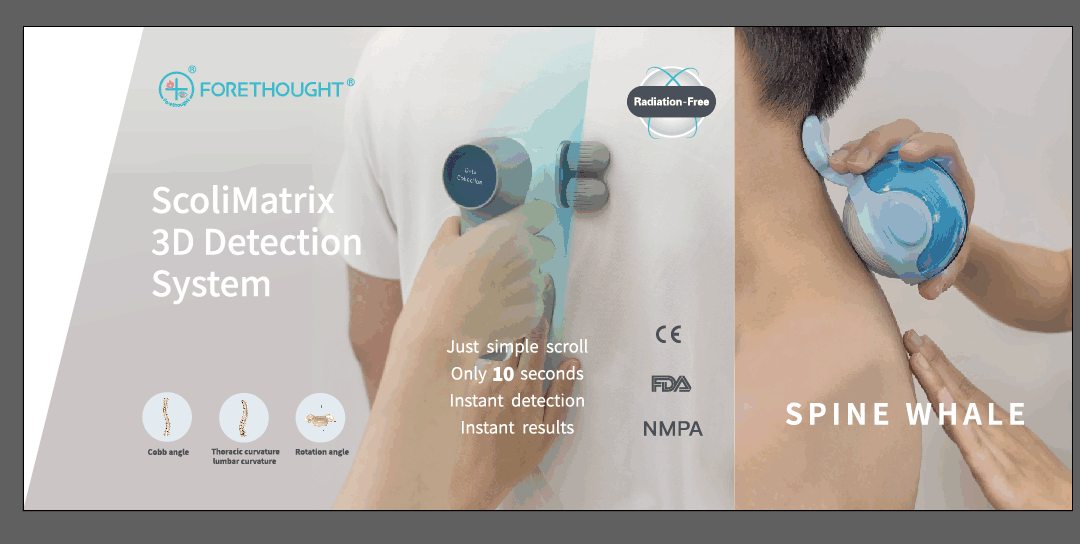
REHACARE 2024でリハビリテーションと医療イノベーションの未来を発見しよう

The world of medical technology is advancing rapidly, and the REHACARE International Trade Fair for Rehabilitation and Care, taking place in Düsseldorf, Germany, from September 25-28, 2024, is at the forefront of this transformation. This globally renowned event will bring together over 850 exhibitors from more than 40 countries, featuring the latest in rehabilitation, care technologies, and medical innovations. The fair is a hub where industry professionals, healthcare providers, and thought leaders come together to showcase cutting-edge advancements designed to improve the lives of millions of patients worldwide. Forethought Medical will proudly participate in REHACARE 2024 to introduce its revolutionary ScoliMatrix 3D Detection System, a groundbreaking tool that transforms how […]

胸腰部脊柱管狭窄症とは?胸腰部脊柱管狭窄症の概要、症状、治療法について

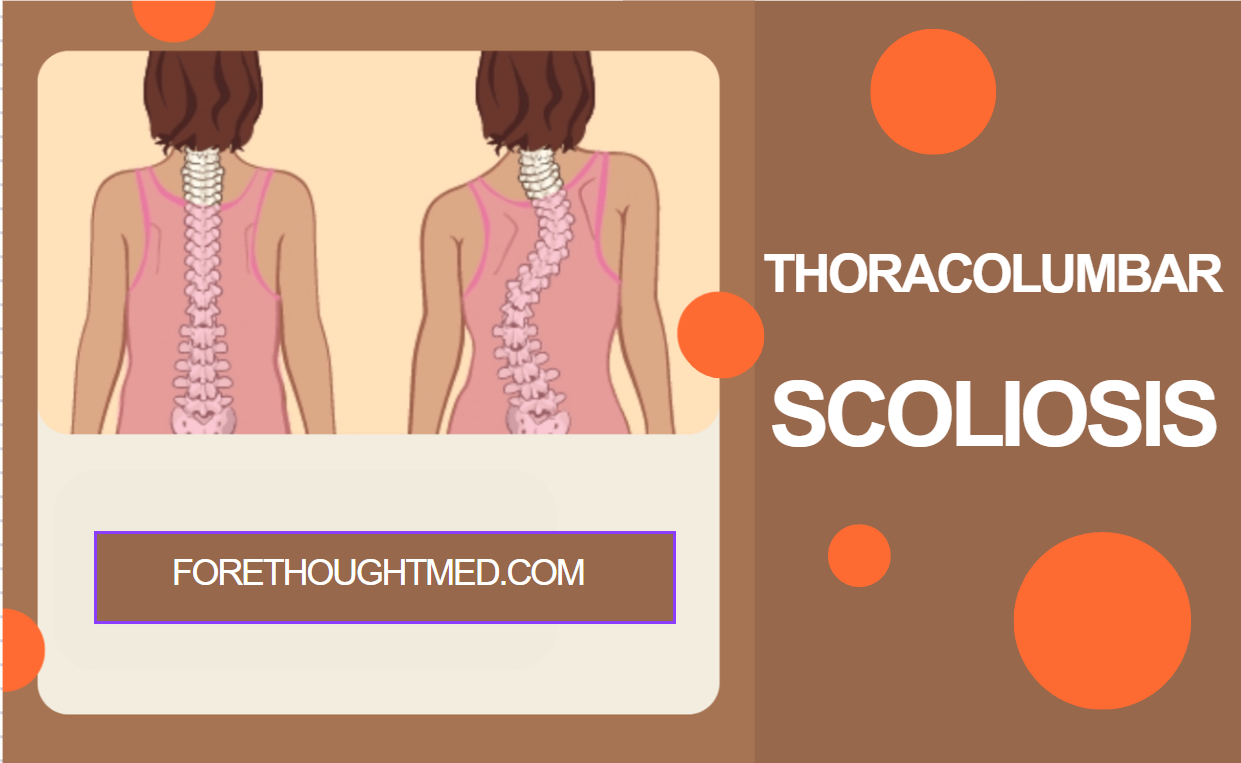
Thoracolumbar scoliosis is a condition characterized by an abnormal sideways curvature of the spine in the thoracic and lumbar regions. Common symptoms include back pain, uneven shoulders, and a noticeable asymmetry in the waistline. Treatment options range from conservative approaches like physical therapy to more invasive procedures such as spinal fusion surgery.

脊柱側湾症と加齢脊柱側弯症は加齢とともにどのように進行し、どのような影響を及ぼすのか。

理学療法は脊柱側湾症に有効か?脊柱側湾症管理における理学療法の利点と効果の評価

As individuals with scoliosis age, the curvature of their spine can worsen, leading to increased pain and discomfort. This can affect their mobility and overall quality of life. However, there are strategies that can help manage these symptoms, such as regular exercise, physical therapy, and the use of assistive devices.

側湾症は遺伝するのか?脊柱側湾症に関連する遺伝的要因と家族歴の関連性を探る

側湾症は遺伝するのか?遺伝要因と家族歴のリンク

Scoliosis, a condition characterized by an abnormal curvature of the spine, has long been a subject of interest in the medical community. Recent research suggests that there may be a genetic component to scoliosis, with studies showing a higher prevalence of the condition among individuals with a family history of scoliosis.

脊柱側湾症とカイロプラクター : 脊柱側湾症に対するカイロプラクティック治療の利点と注意点を探る

脊柱側湾症に対するカイロプラクティック治療の利点と注意点を探る

Scoliosis, a condition characterized by an abnormal curvature of the spine, can cause discomfort and limited mobility. While traditional treatments focus on bracing or surgery, chiropractic care is gaining attention as a potential alternative. This article explores the potential benefits and considerations of using chiropractic care for scoliosis, offering insights into its effectiveness and safety.

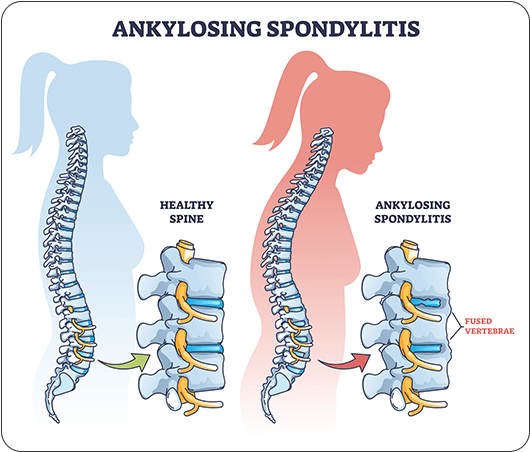
強直性脊椎炎の側弯症:強直性脊椎炎と脊柱側弯症の関連性と治療法の理解

Ankylosing Spondylitis (AS) and scoliosis are two distinct conditions that can often coexist, leading to increased pain and discomfort for individuals. Understanding the connection between AS and scoliosis is crucial for effective treatment approaches. This excerpt explores the relationship between these conditions and highlights potential treatment options for managing symptoms and improving quality of life.

脊柱側湾症を自然に治す:外科手術をせずに脊柱側湾症を治療するための代替療法と自然なアプローチを探る

外科手術なしで脊柱側湾症を治療するための代替療法と自然なアプローチを探る

脊柱側弯症を自然に治すには、代替療法と脊柱側弯症を管理するための自然なアプローチの世界を掘り下げます。痛みを和らげ、背骨のアライメントを改善するためのエクササイズ、栄養、ライフスタイルの改善など、豊富な情報が満載です。手術に頼ることなく、脊柱側湾症をコントロールする方法を発見してください。

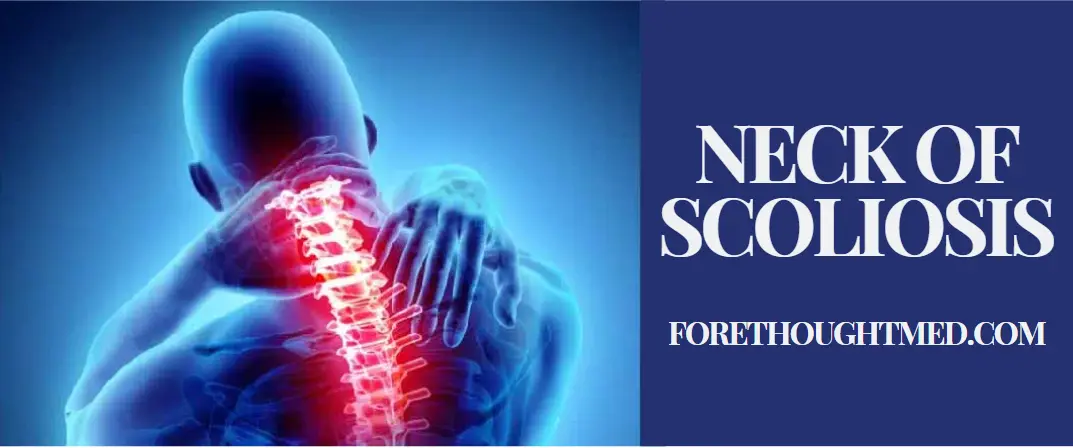
頚部脊柱管狭窄症頚椎側弯症の診断、症状、治療法に関する詳細情報

頚部脊柱管狭窄症は、頚椎の異常な湾曲を特徴とする疾患です。首の痛み、頭痛、可動域の制限など様々な症状を引き起こします。治療の選択肢としては、理学療法、装具、重度の場合は手術などがあります。

脊柱側湾症の健康診断で期待されること:脊柱側湾症の検査で重要な要素と手順

During a scoliosis physical exam, several key components and procedures are involved. The doctor will assess the patient’s medical history, conduct a visual examination of the spine, measure the degree of curvature, and evaluate any associated symptoms. X-rays or other imaging tests may also be ordered to further evaluate the condition.