
17
11月
11月
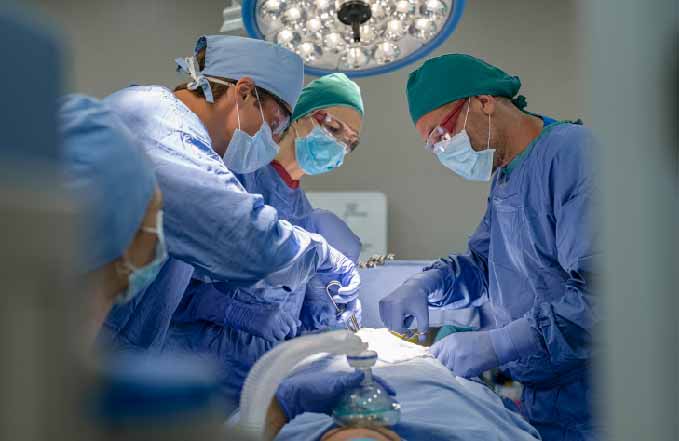
Discover what to expect during scoliosis surgery recovery and learn how to optimize your healing process for a smoother recovery.

ブログのカテゴリー
Discover what to expect during scoliosis surgery recovery and learn how to optimize your healing process for a smoother recovery.

Health Assessment and Physical Examination Jarvis: Scoliosis, a prevalent spinal deformity, particularly affects adolescents with significant implications for long-term health and quality of life [1]. Early detection and intervention are crucial in preventing disease progression and reducing the need for invasive treatments [2]. Traditional diagnostic methods, such as X-rays, often involve radiation exposure and may lack the precision required for accurate assessment [3]. The Jarvis system emerges as an advanced solution, leveraging cutting-edge technology to enhance scoliosis detection and assessment for healthcare providers [4]. Health Assessment and Physical Examination Jarvis System Architecture and Functionality The Jarvis system integrates high-resolution imaging technology with artificial intelligence (AI) algorithms to provide comprehensive, non-invasive […]
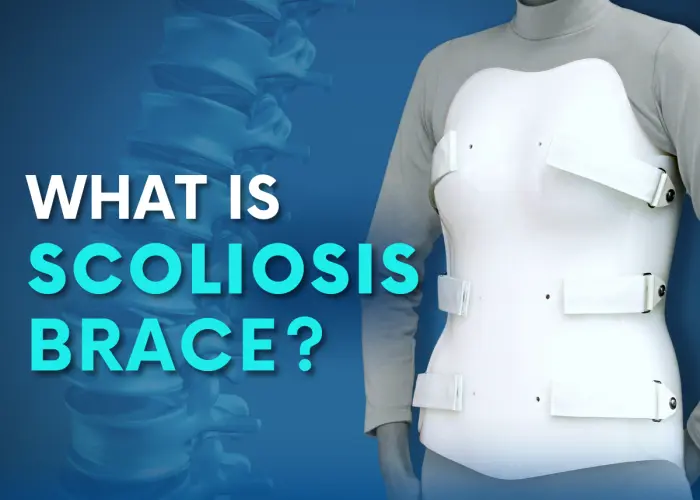
Discover the success rate of scoliosis braces and the factors that influence their effectiveness. Gain insights on how well they work.
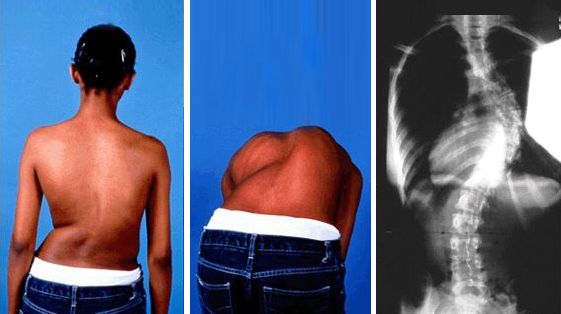
Learn about the challenges and complications of severe scoliosis. Understand the worst case scenario. Find support and information here.
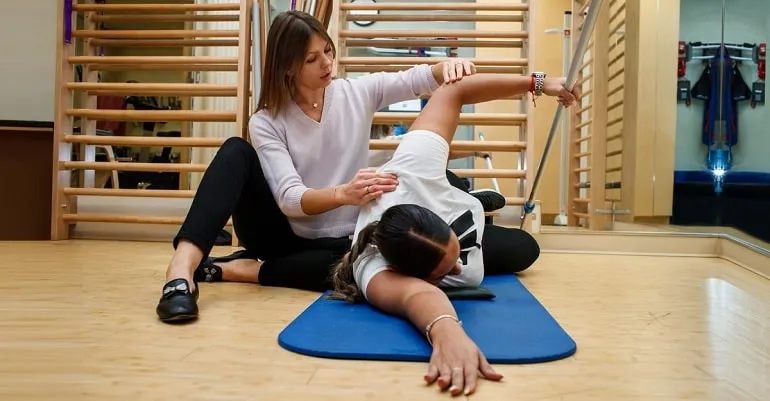
Discover how physical therapy can help manage scoliosis symptoms and improve function. Explore the benefits of this effective treatment.

Learn about the risks and complications of scoliosis surgery. Understand the potential challenges before undergoing this procedure.

Learn about structural scoliosis, its key features, and diagnostic criteria. Understand this condition for effective identification and treatment.
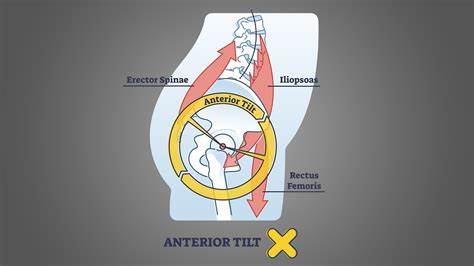
Anterior Pelvic Tilt (APT) is a common postural imbalance where the pelvis tilts forward, resulting in an exaggerated lumbar lordosis[^1^]. This condition can lead to various musculoskeletal issues, including lower back pain, hip discomfort, and impaired athletic performance[^2^]. Addressing APT is crucial for enhancing patient comfort, improving mobility, and preventing long-term complications. One effective intervention in clinical rehabilitation programs is the implementation of targeted exercise routines[^3^]. Providing these routines in a downloadable PDF format ensures accessibility and ease of use for both healthcare professionals and patients[^4^]. This comprehensive evaluation explores essential APT exercises, supported by scientific research and clinical insights, tailored for clinical rehabilitation programs and general users seeking effective […]
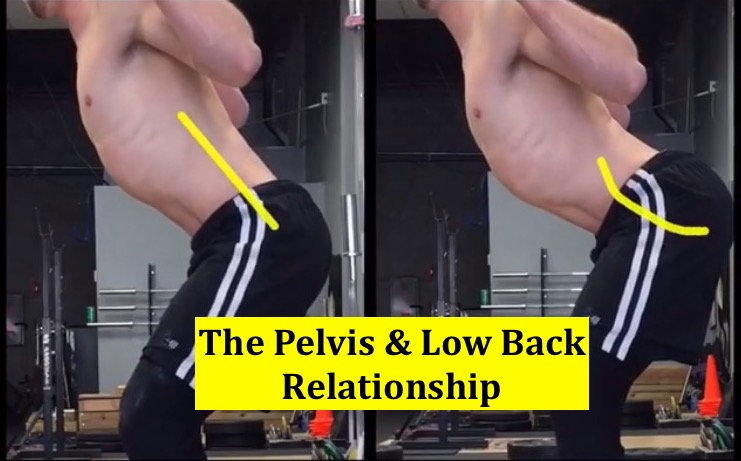
Squatting with Anterior Pelvic Tilt: Anterior Pelvic Tilt (APT) is a prevalent postural imbalance where the pelvis tilts forward, causing an exaggerated lumbar curvature[^1^]. This condition can lead to discomfort, reduced mobility, and an increased risk of musculoskeletal injuries[^2^]. Squatting, a fundamental movement in both daily activities and athletic training, can exacerbate or help correct APT depending on the technique employed[^3^]. This comprehensive evaluation explores safe squatting techniques and therapeutic interventions for individuals with APT, supported by scientific research and clinical insights. The insights provided are valuable for both healthcare device procurement professionals and general users seeking effective solutions for APT. Understanding Squatting with Anterior Pelvic Tilt Definition and Causes […]
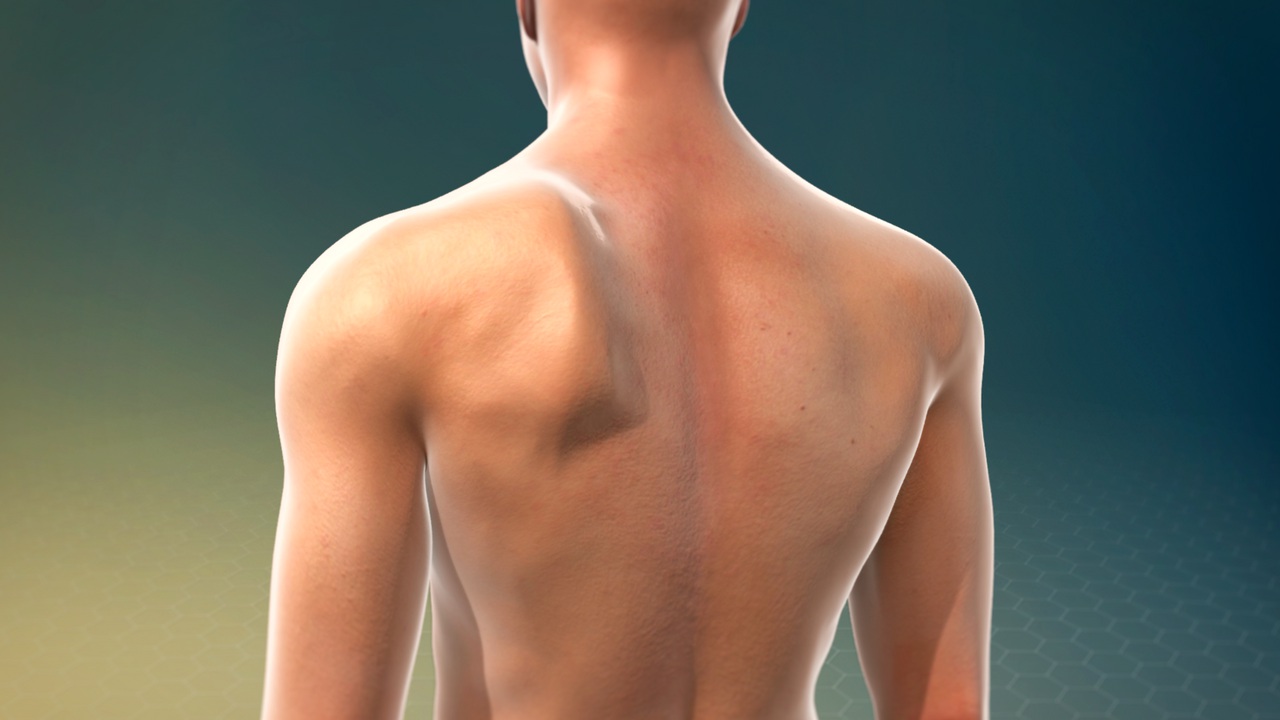
Learn about winged scapula scoliosis: its causes, effects, and effective treatment approaches for a healthier spine.