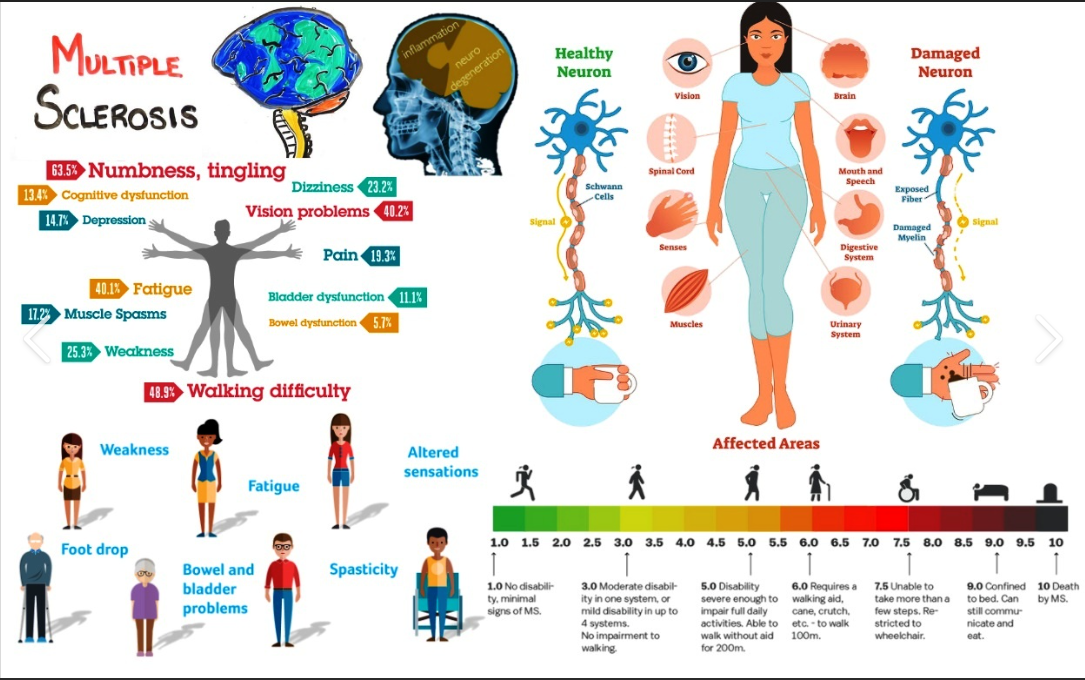

Scoliosis and Multiple Sclerosis are two distinct medical conditions that affect the musculoskeletal system. While scoliosis primarily affects the spine’s curvature, Multiple Sclerosis targets the central nervous system. Despite their differences, both conditions can cause significant pain and mobility issues. Accurate diagnosis and tailored treatment plans are crucial for managing these conditions effectively.
Archivos de Categoría: Blog
Categoría de su blog
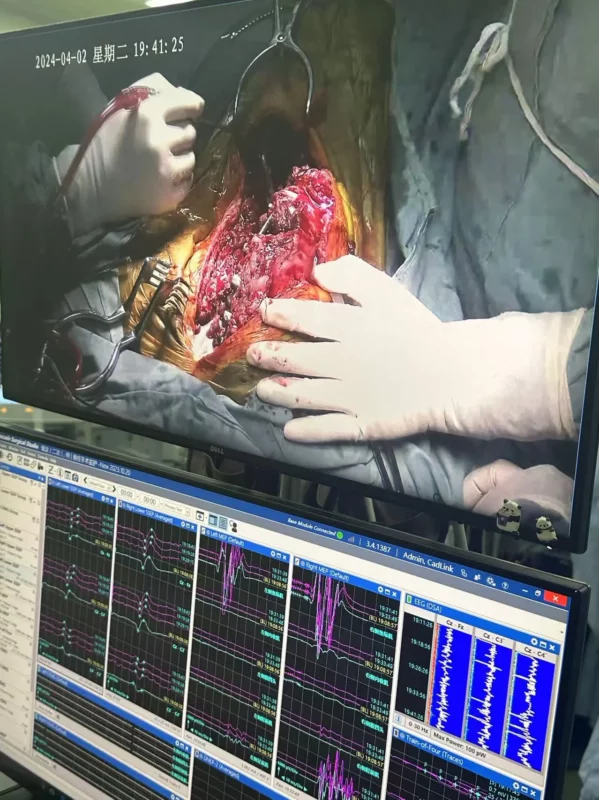
After scoliosis surgery, proper post-surgery care is crucial for a successful recovery. This includes following the surgeon’s instructions, attending physical therapy sessions, and maintaining a healthy lifestyle. Understanding the long-term outcomes of scoliosis surgery is also important, as it can vary depending on factors such as age, severity of the condition, and individual healing abilities.
Non-Surgical Scoliosis Treatment delves into the realm of alternative approaches for managing and treating scoliosis. From physical therapy and bracing to chiropractic care and exercise, this comprehensive guide explores the various non-surgical options available to individuals seeking relief from scoliosis. Discover effective methods to improve posture, reduce pain, and enhance overall quality of life.
Recovery after scoliosis surgery can be a challenging and lengthy process. Patients can expect to experience pain, discomfort, and limited mobility in the initial weeks. Physical therapy and rehabilitation will play a crucial role in regaining strength and flexibility. It is important to follow the surgeon’s instructions and be patient during this recovery journey.
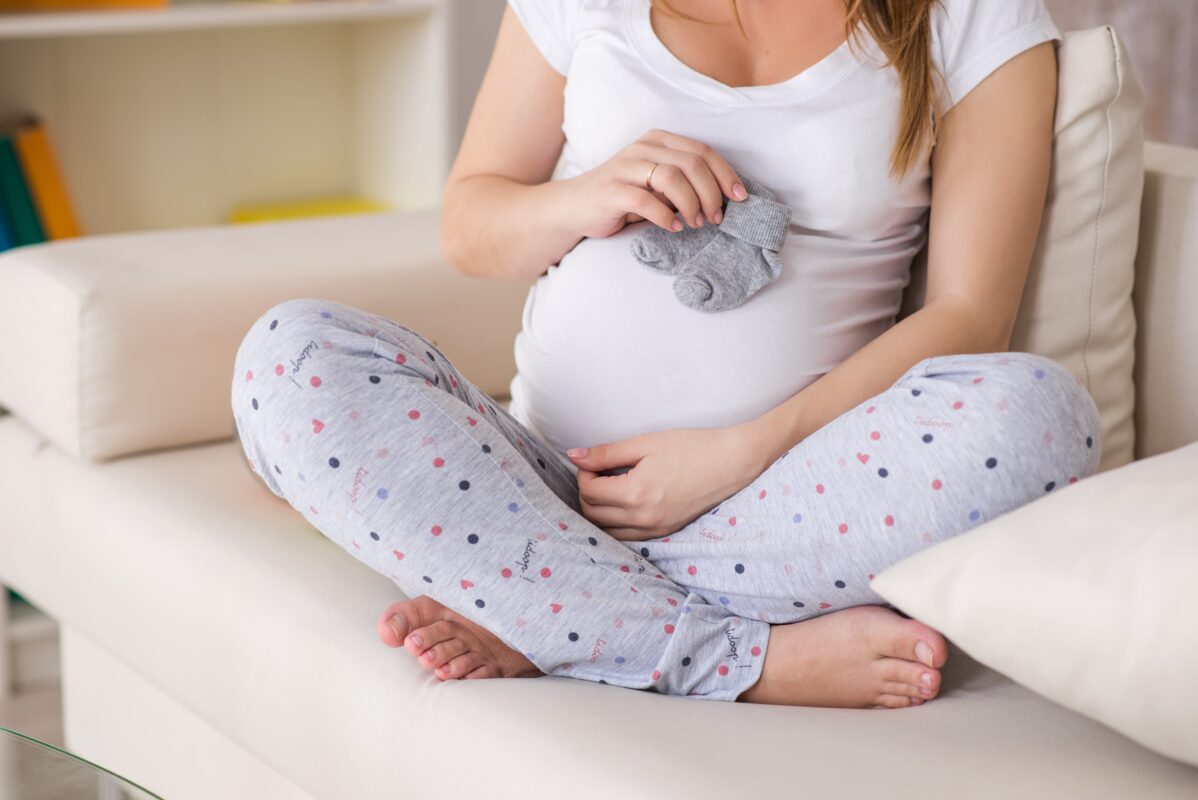
Scoliosis, a condition characterized by an abnormal curvature of the spine, can indeed impact pregnancy. The degree of curvature, location, and severity of scoliosis can affect a woman’s ability to carry a pregnancy comfortably. However, with proper management and support from healthcare professionals, women with scoliosis can have successful pregnancies.
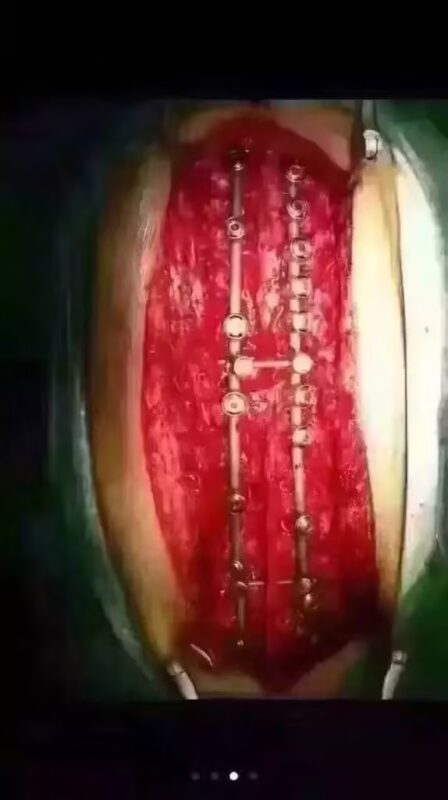
Scoliosis surgery is a major procedure that requires a significant amount of time for healing. The exact timeline varies from person to person, but generally, it takes about 6 to 12 weeks for the bones to fuse completely. Factors such as age, overall health, and the extent of the surgery can affect the recovery process.
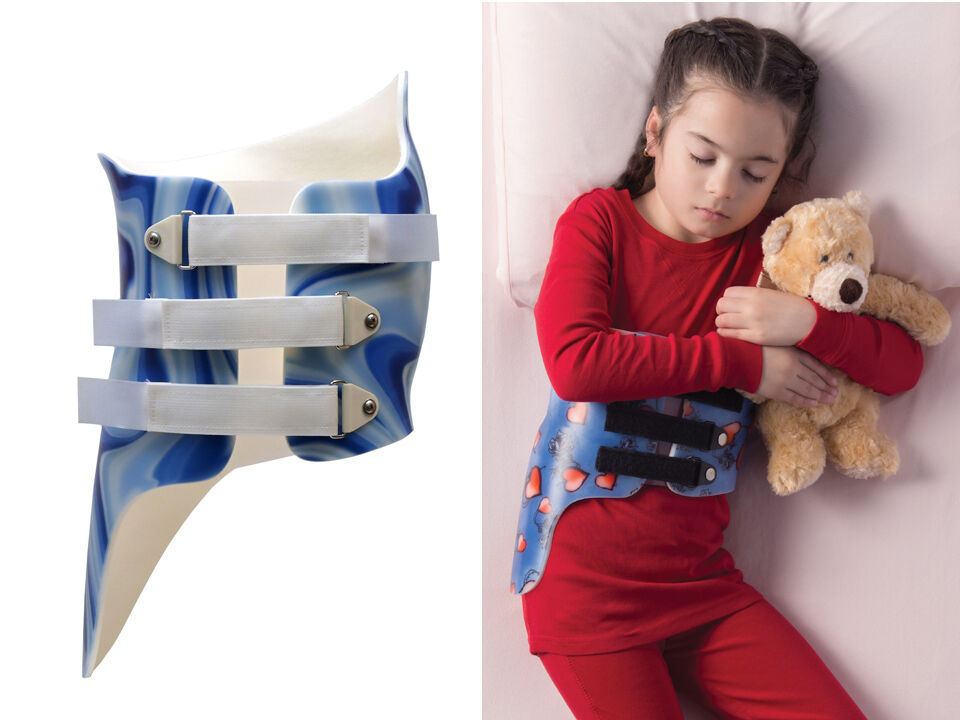
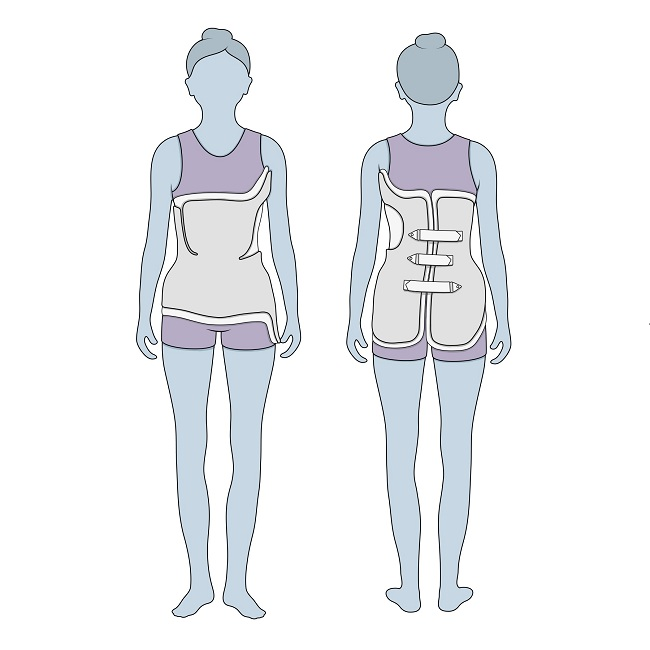
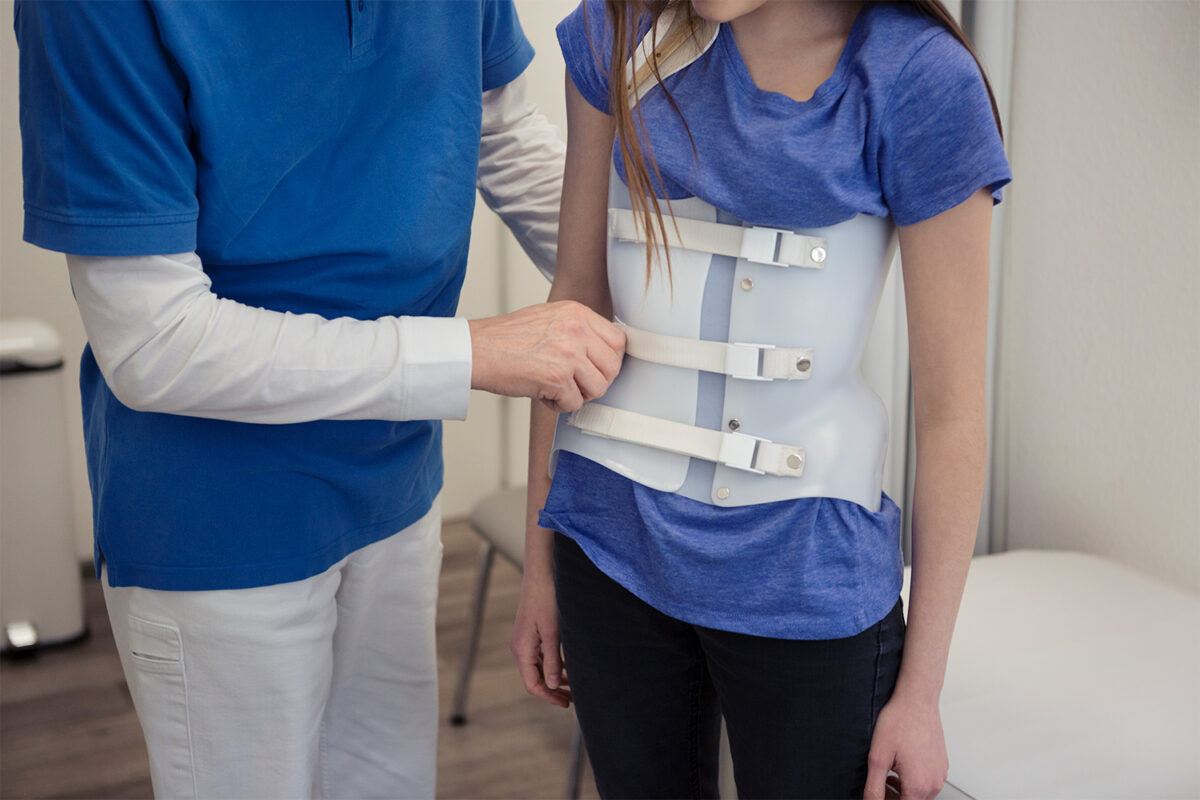
Scoliosis Brace Success Rate are commonly used to treat spinal curvature in adolescents. Evaluating their effectiveness and success rates is crucial in determining the best treatment options. Studies have shown that scoliosis braces can effectively halt the progression of the condition in 70-90% of cases, making them a promising solution for patients.
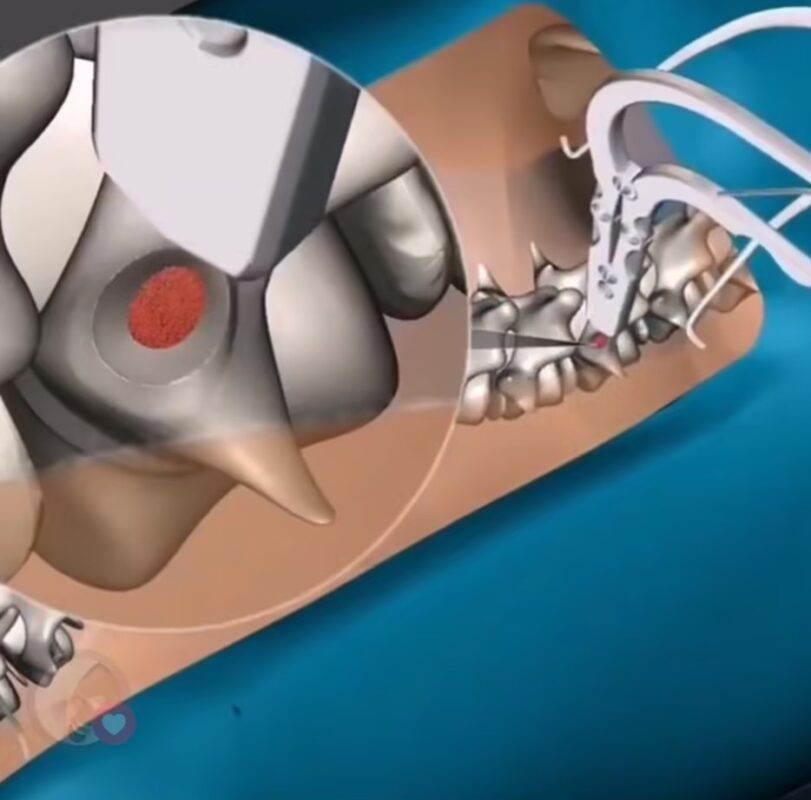
Scoliosis surgery is a complex procedure that aims to correct the curvature of the spine. While it can provide significant benefits, there are potential complications that patients should be aware of. These complications can include infection, nerve damage, blood loss, and implant failure. Understanding these risks is crucial for informed decision-making and post-operative care.
Caminar es un ejercicio de bajo impacto que puede aportar numerosos beneficios a las personas con escoliosis. Ayuda a mejorar la postura, fortalecer los músculos centrales y aumentar la flexibilidad. Sin embargo, es importante tener en cuenta que caminar por sí solo puede no ser suficiente para corregir la curvatura de la columna vertebral. Debe combinarse con otros ejercicios específicos y bajo la supervisión de un profesional sanitario.
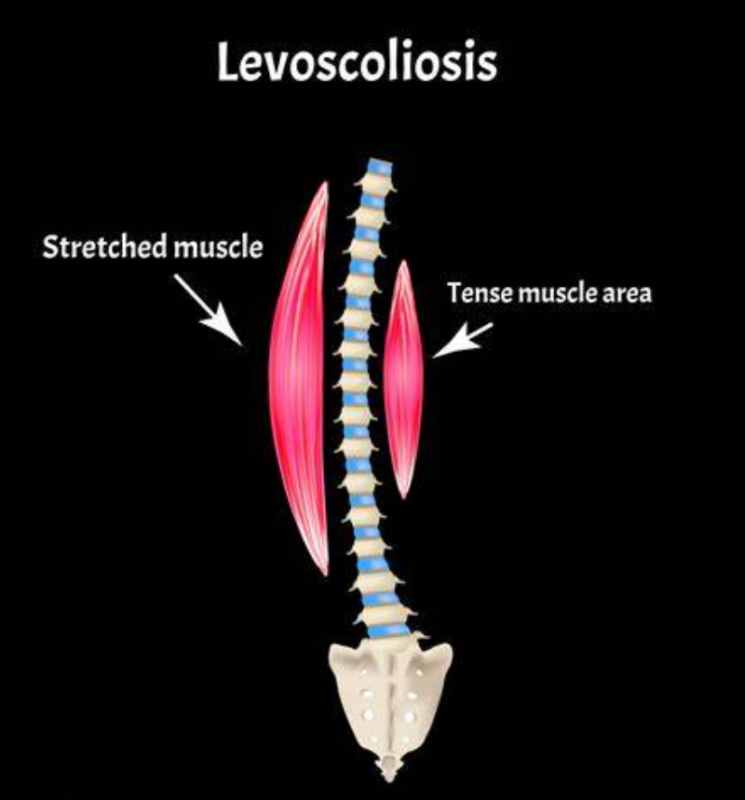
Levo Rotatory Scoliosis is a complex spinal condition characterized by a lateral curvature of the spine combined with a rotational component. This unique form of scoliosis requires a comprehensive understanding of its characteristics and management strategies. By addressing both the lateral and rotational aspects, healthcare professionals can provide effective treatment options for individuals with Levo Rotatory Scoliosis.