
La escoliosis, que se caracteriza por una curvatura anormal de la columna vertebral, puede considerarse una discapacidad. El derecho a las prestaciones por incapacidad depende de la gravedad de la afección y de su repercusión en las actividades cotidianas. Las personas con escoliosis pueden optar a diversas prestaciones, como ayudas económicas, cobertura médica y programas de rehabilitación profesional.
Archivos de Categoría: Blog
Categoría de su blog
Accurately measuring a scoliosis curve is crucial for effective treatment. This excerpt explores various techniques and tools used by medical professionals to ensure precise measurements. From the traditional Cobb angle method to advanced imaging technologies, understanding these methods is essential for accurate diagnosis and monitoring of scoliosis progression.
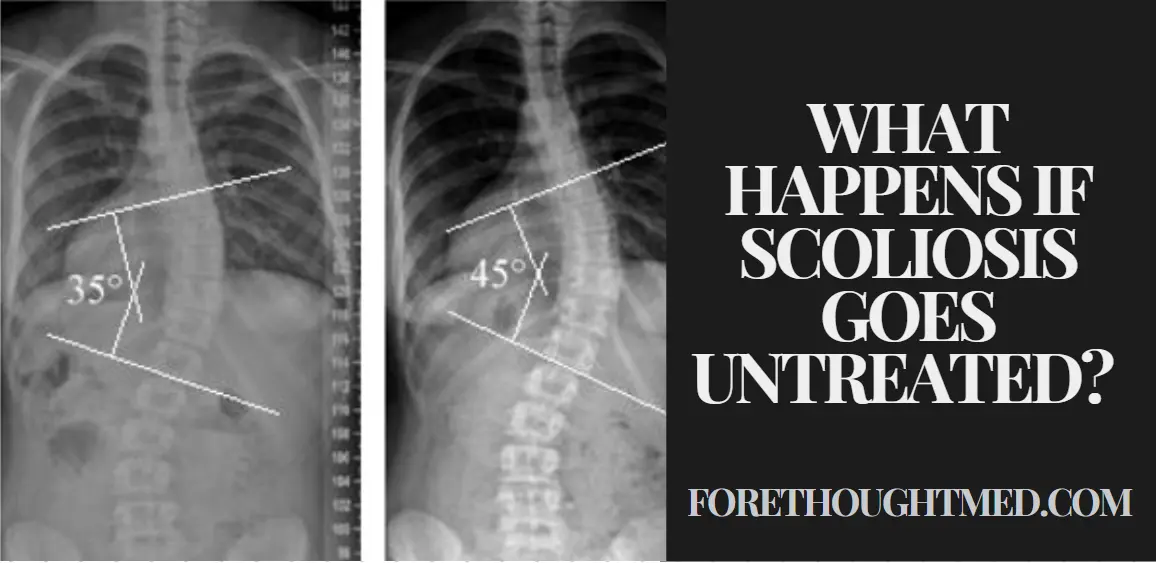
La escoliosis, una curvatura lateral de la columna vertebral, puede tener efectos a largo plazo en la salud y el bienestar de una persona. Con el tiempo, la curvatura puede empeorar, provocando un aumento del dolor, limitación de la movilidad y dificultad para respirar. El control regular, el ejercicio y las intervenciones médicas pueden ayudar a controlar estos efectos y mejorar la calidad de vida.
Dextrorotatory scoliosis is a condition characterized by a rightward curvature of the spine. It can cause pain, discomfort, and postural abnormalities. Treatment options include physical therapy, bracing, and in severe cases, surgery. Early diagnosis and intervention are crucial for managing this condition and preventing further complications.
Scoliosis, a condition characterized by an abnormal curvature of the spine, can be a source of discomfort and limited mobility. While surgery is often recommended for severe cases, there are non-surgical solutions that can help alleviate symptoms and potentially correct the curvature naturally. Let’s delve into these alternative approaches and explore their effectiveness.
La escoliosis, enfermedad caracterizada por una curvatura anormal de la columna vertebral, puede verse influida por diversos factores de riesgo. La edad, el sexo, los antecedentes familiares y ciertas afecciones médicas son factores clave que aumentan la probabilidad de desarrollar escoliosis. Comprender estos factores de riesgo es crucial para la detección precoz y el tratamiento eficaz de esta afección.
If left untreated, scoliosis can lead to various complications and outcomes. These may include worsening of the spinal curvature, increased pain and discomfort, limited mobility, respiratory problems, and even heart and lung damage. Early detection and appropriate treatment are crucial to prevent these potential complications and ensure better long-term outcomes.
Scoliosis, a condition characterized by an abnormal curvature of the spine, can be prevented with some simple measures. Maintaining good posture, engaging in regular exercise, and avoiding heavy backpacks are key preventive steps. Additionally, ergonomic workstations and regular check-ups with a healthcare professional can help identify and address any potential issues early on.
Physical activity has been shown to have a positive impact on scoliosis. Regular exercise can help improve posture, strengthen the muscles surrounding the spine, and increase flexibility. By incorporating targeted exercises into a daily routine, individuals with scoliosis can potentially reduce pain, prevent further progression, and enhance overall quality of life.
Alternative treatments for scoliosis, such as chiropractic care, physical therapy, and bracing, have gained popularity as non-surgical approaches. While these methods aim to reduce pain and improve spinal alignment, their effectiveness varies. Understanding the benefits and limitations of each alternative treatment is crucial for individuals seeking non-invasive options for scoliosis management.