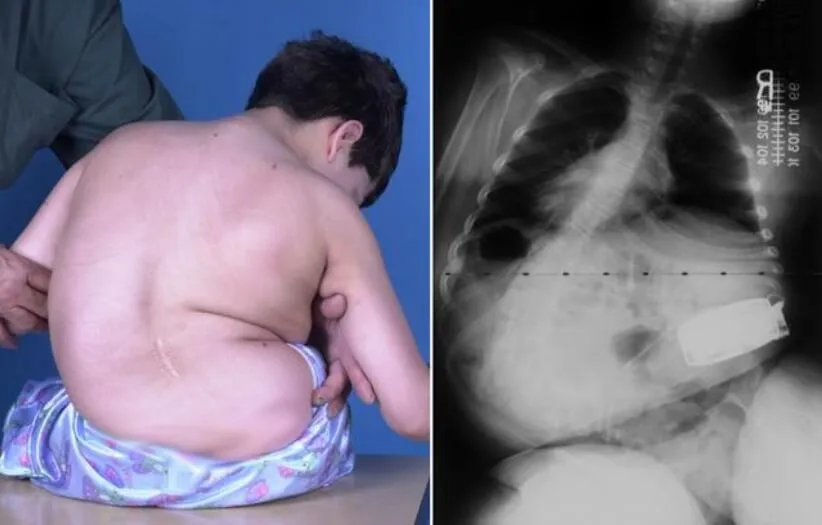

Scoliosis, a condition characterized by an abnormal curvature of the spine, can sometimes lead to a winged scapula. This occurs when the shoulder blade protrudes from the back, causing pain and limited mobility. Treatment options for this issue include physical therapy, exercises to strengthen the muscles around the scapula, and in severe cases, surgery.
Category Archives: Blog
Your blog category
“Therapy for Scoliosis at Home” is a comprehensive guide that empowers individuals with scoliosis to take control of their condition. Packed with effective home therapy techniques and exercises, this book provides step-by-step instructions to manage scoliosis from the comfort of your own home. Say goodbye to pain and discomfort, and embrace a healthier, more aligned spine.
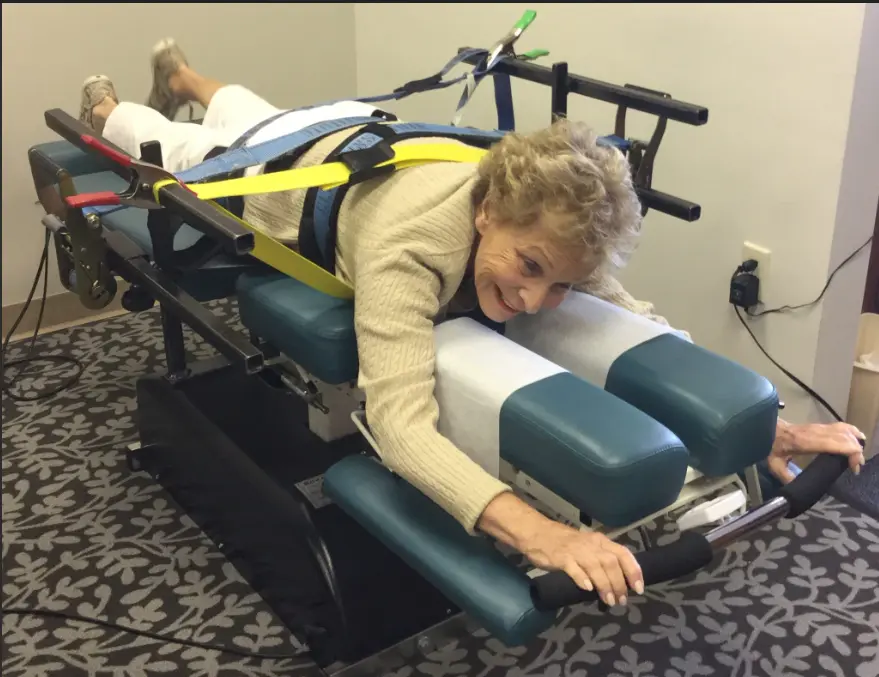
Physical therapy has emerged as a potential treatment option for scoliosis, a condition characterized by abnormal curvature of the spine. This excerpt aims to assess the benefits and effectiveness of physical therapy in managing scoliosis.
Winged scapula, a condition where the shoulder blade protrudes from the back, often coexists with scoliosis, a sideways curvature of the spine. This excerpt explores the relationship between these two conditions and highlights various treatment options available to alleviate the discomfort and improve the quality of life for those affected.
Degenerative scoliosis, a condition characterized by the abnormal curvature of the spine, can significantly impact an individual’s daily life. However, determining whether it qualifies as a disability for benefits can be complex. Factors such as the severity of symptoms, functional limitations, and the ability to perform essential tasks are crucial in assessing the eligibility for disability benefits.
Scoliosis, a spinal condition characterized by an abnormal curvature, poses unique challenges for elderly adults over 80. With age, the spine becomes more fragile, making treatment options limited. However, early detection and a multidisciplinary approach can help manage pain, improve mobility, and enhance the overall quality of life for these individuals.
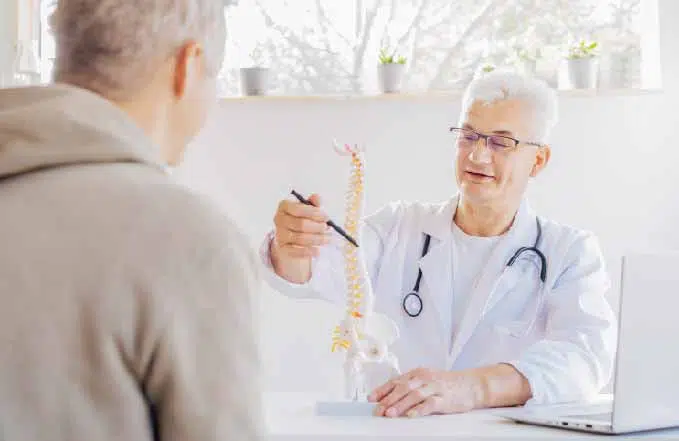
When it comes to treating scoliosis, there are several specialists and healthcare providers who play a crucial role. Orthopedic surgeons, pediatricians, physical therapists, and chiropractors are among the professionals involved in managing this condition. Each brings their unique expertise to provide comprehensive care and improve the quality of life for scoliosis patients.
Worst Case of Scoliosis delves into the harrowing experiences of individuals battling severe scoliosis. Through heart-wrenching stories and expert analysis, this book sheds light on the physical and emotional toll this condition takes on patients. With spine deformities reaching unimaginable degrees, these cases serve as a stark reminder of the importance of early detection and intervention.
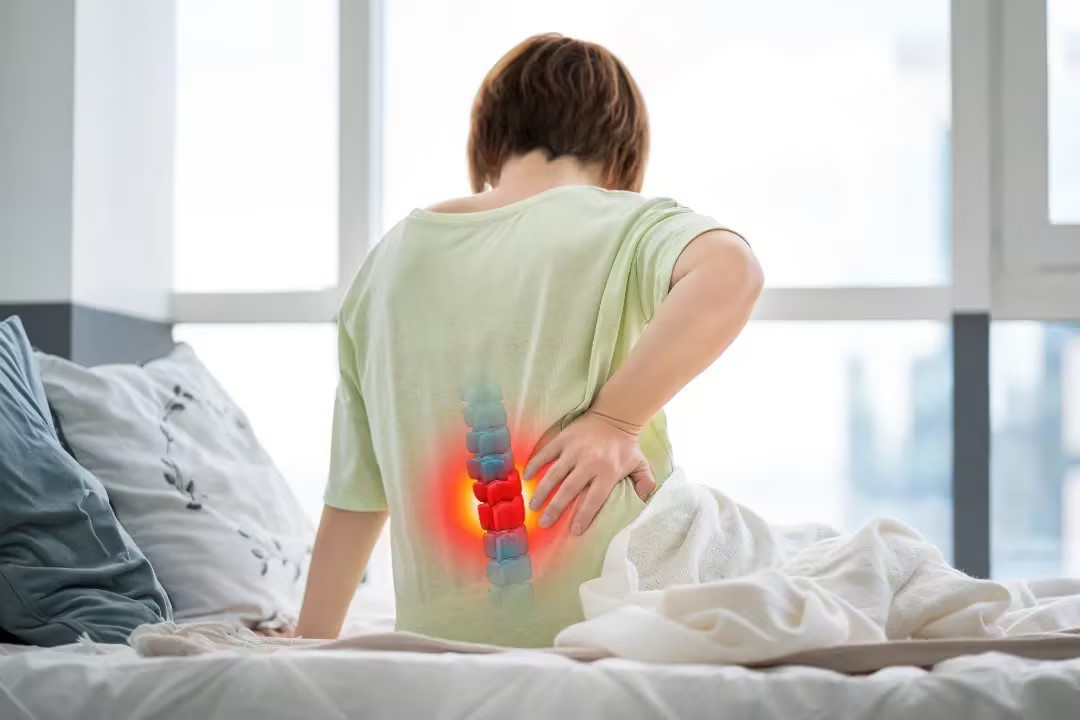
Scoliosis, a condition characterized by an abnormal curvature of the spine, is commonly associated with physical discomfort. However, recent studies suggest that it may also lead to neurological symptoms such as numbness and tingling. This potential link between scoliosis and nerve-related issues highlights the importance of early detection and appropriate treatment to prevent further complications.
When it comes to managing scoliosis, certain exercises should be avoided as they can potentially worsen the condition. High-impact activities like running or jumping, as well as exercises that involve excessive twisting or bending of the spine, should be approached with caution. It is important to consult with a healthcare professional for personalized guidance on safe and effective exercises.