
Category Archives: Blog

Your blog category

Scoliosis and Slipped Disc: Exploring the Connection Between Scoliosis and Disc Slippage and How to Manage Both Conditions
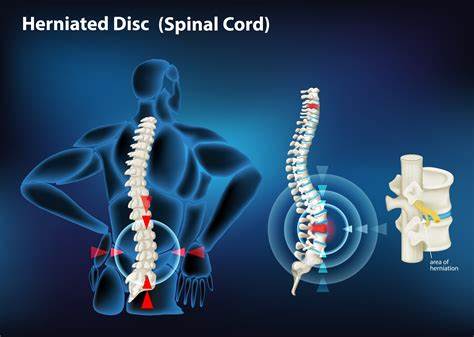
Exploring the Connection Between Scoliosis and Disc Slippage

Scoliosis and slipped disc are two common spinal conditions that often go hand in hand. Scoliosis, characterized by an abnormal curvature of the spine, can put excessive pressure on the discs, leading to disc slippage. Understanding the connection between these conditions is crucial for effective management, which may involve a combination of physical therapy, pain management, and in severe cases, surgery.
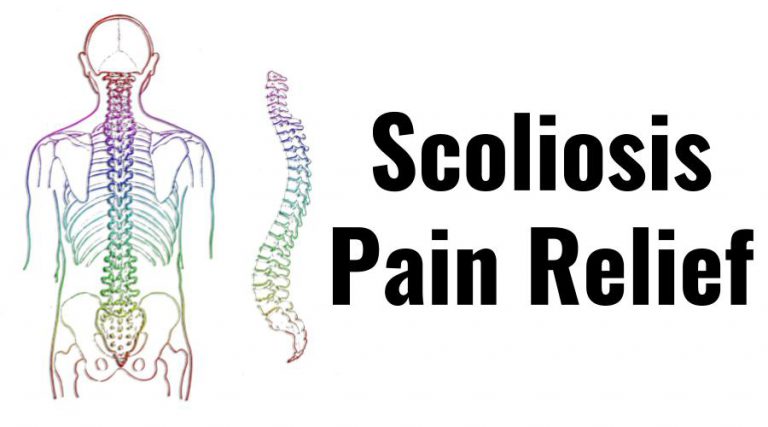
Scoliosis Pain Relief Medication: Effective Medications and Treatments for Managing Pain Associated with Scoliosis

Scoliosis pain can be debilitating, affecting daily activities and overall quality of life. Thankfully, there are effective medications and treatments available to manage this pain. From nonsteroidal anti-inflammatory drugs to physical therapy and spinal bracing, these options provide relief and improve the well-being of individuals living with scoliosis.

Scoliosis and Pregnancy: How Pregnancy Affects Scoliosis and Recommendations for Managing the Condition During Pregnancy

Scoliosis and Pregnancy: How Pregnancy Affects Scoliosis and Recommendations for Managing the Condition During Pregnancy

Pregnancy can have a significant impact on women with scoliosis, as the changes in the body’s structure and weight distribution can exacerbate the curvature of the spine. However, with proper management and support, women with scoliosis can have a successful pregnancy. This article provides recommendations for managing scoliosis during pregnancy to ensure the health and well-being of both mother and baby.

Is Scoliosis Inherited? Examining the Genetic Factors and Family History Connections Related to Scoliosis

Examining the Genetic Factors and Family History Connections Related to Scoliosis

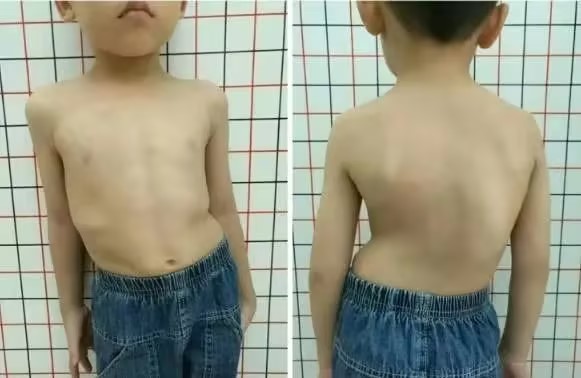
Scoliosis, a condition characterized by an abnormal curvature of the spine, has long been a subject of interest in the medical community. Researchers have been investigating the role of genetics and family history in the development of scoliosis, aiming to determine if the condition is inherited. This article delves into the current understanding of the genetic factors and family history connections associated with scoliosis.

Can Chiropractor Fix Scoliosis? Evaluating the Effectiveness and Risks of Chiropractic Treatments for Managing Scoliosis

Can Chiropractic Make Scoliosis Worse

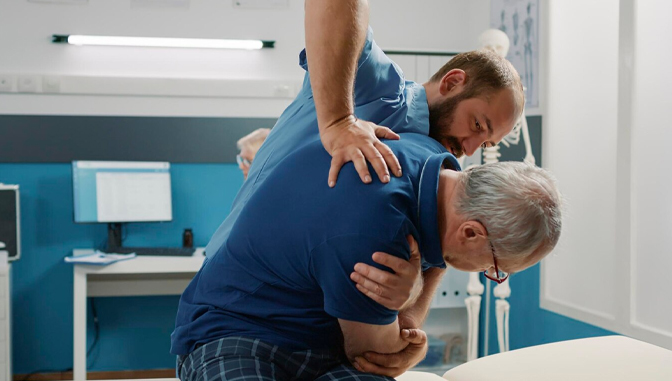
Chiropractic treatments have been suggested as a potential solution for managing scoliosis, a condition characterized by an abnormal curvature of the spine. However, the effectiveness and risks associated with chiropractic interventions remain a subject of debate. This article aims to evaluate the potential benefits and drawbacks of chiropractic care in addressing scoliosis.

Scoliosis Disability Living Allowance: Understanding How to Apply for and Qualify for Disability Living Allowance for Scoliosis

Scoliosis Disability Living Allowance

If you or a loved one has been diagnosed with scoliosis and are struggling with daily activities, you may be eligible for Disability Living Allowance (DLA). This financial support can help cover the extra costs associated with living with scoliosis. Understanding the application process and qualifying criteria is crucial to ensure you receive the assistance you need.

Scoliosis Series: An In-Depth Look at a Series of Articles or Resources on Understanding and Managing Scoliosis

An In-Depth Look at a Series of Articles or Resources on Understanding and Managing Scoliosis

The Scoliosis Series offers a comprehensive exploration of this common spinal condition. From understanding the causes and symptoms to exploring various treatment options, this series provides valuable insights for individuals and their loved ones. Whether you’re seeking information or looking for ways to manage scoliosis, this series is your go-to resource.

Scoliosis in Adults Over 60: Challenges and Treatment Options for Managing Scoliosis in Older Adults

Scoliosis in Adults Over 60

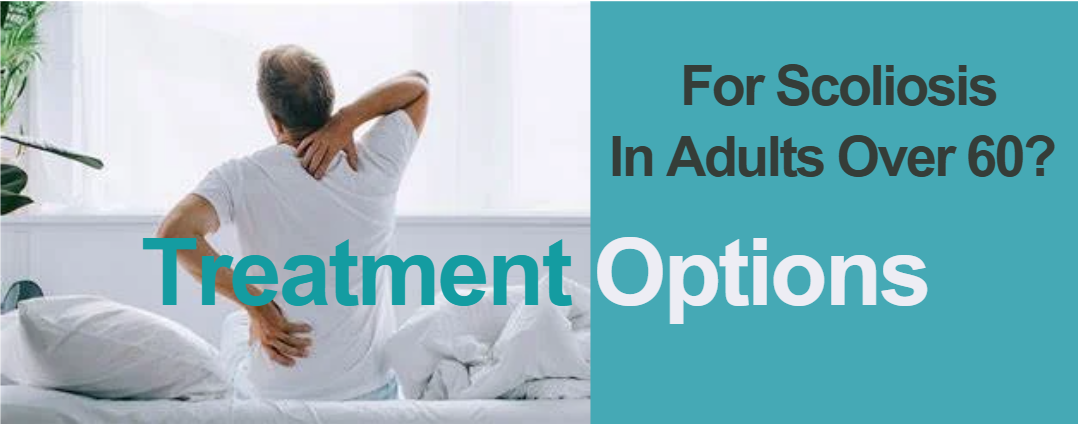
Scoliosis, a condition characterized by an abnormal curvature of the spine, can present unique challenges for adults over 60. As the body ages, the spine becomes less flexible, making it harder to manage the curvature. However, with advancements in treatment options such as physical therapy, bracing, and surgery, older adults can find relief and improve their quality of life.

National Scoliosis Foundation: Overview of the Services, Resources, and Support Provided by the National Scoliosis Foundation

The National Scoliosis Foundation is dedicated to providing comprehensive support and resources for individuals affected by scoliosis. From educational materials and online forums to support groups and financial assistance programs, we strive to empower patients, families, and healthcare professionals with the knowledge and tools needed to navigate the challenges of scoliosis.

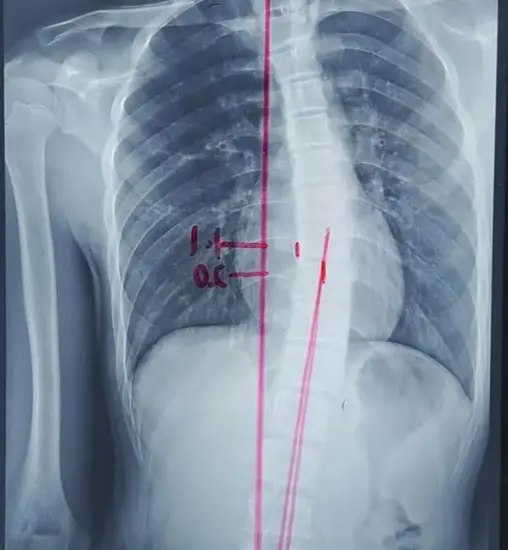
18 Degree Scoliosis: Understanding the Implications and Treatment Options for a Scoliosis Curve Measuring 18 Degrees

18 Degree Scoliosis

18 Degree Scoliosis is a condition characterized by a spinal curve measuring 18 degrees. While this may seem mild, it can still lead to discomfort and potential complications. Understanding the implications of this condition is crucial in determining the appropriate treatment options, which may include physical therapy, bracing, or in some cases, surgery.